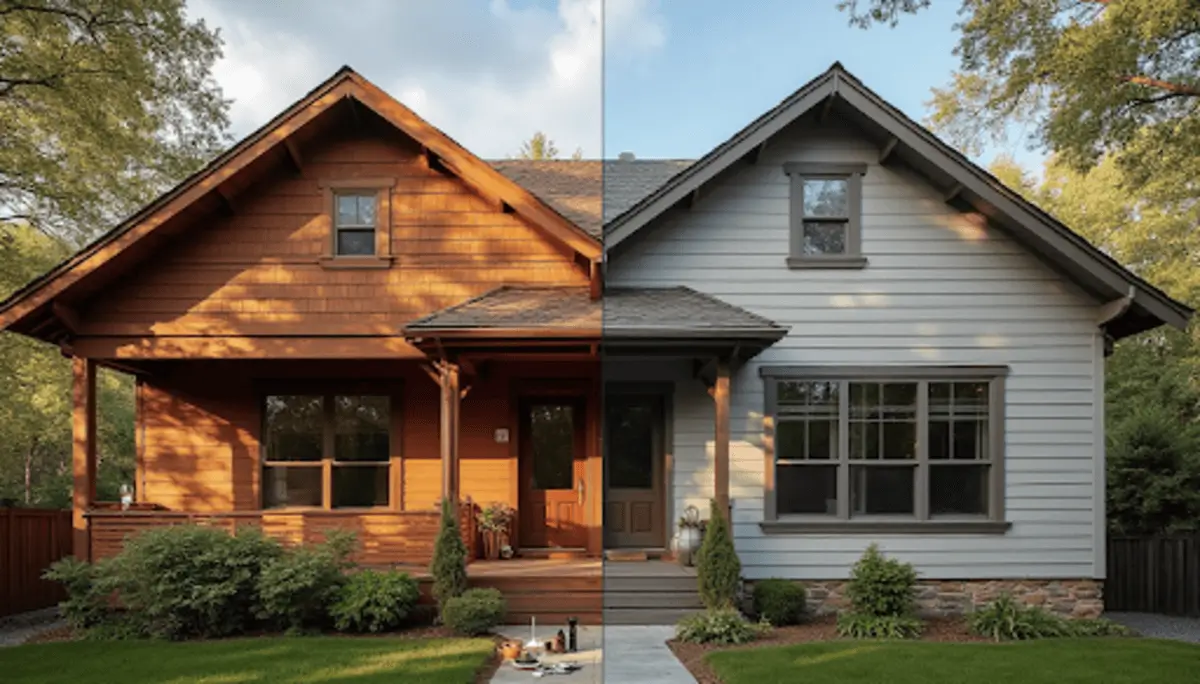
Wood siding’s benefits are way beyond the reach and influence of what builders mention in their sales pitch. Wood siding stands as one of the oldest exterior options around, and its timeless appeal continues to fascinate homeowners who want to boost their property’s curb appeal. Builders push vinyl alternatives mostly, but wood siding for houses’ natural beauty can boost resale value by a lot as a premium exterior choice.
We found that there was more to wood vs vinyl siding than what contractors usually discuss. Wood siding protects better against wind and water, absorbs sound better, and naturally insulates to cut down energy costs, even though it needs regular upkeep. This is a big deal as it means that cedarwood can last over 30 years if maintained well. It also comes with practical perks – you can replace single boards easily when needed. Wood siding gives you environmental benefits, too, since it’s renewable and biodegradable. In this piece, we’ll show you what makes wood siding such a smart choice that builders might not tell you about. River City Roofing presents this expert guide to help you find the hidden benefits of Wood Siding.
Hidden Performance Benefits of Wood Siding
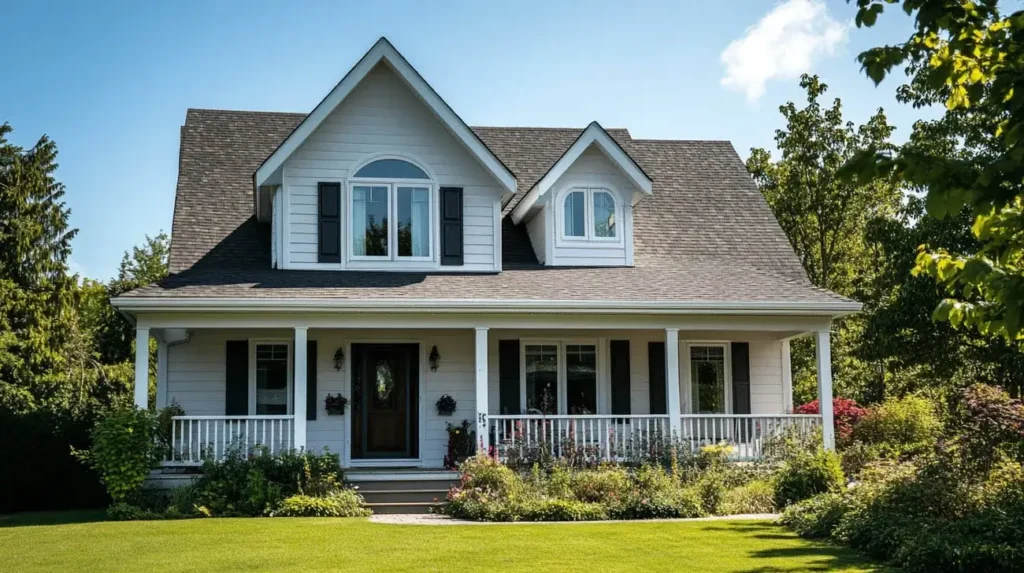
Wood siding does way more than catch the eye. This natural material brings practical benefits that go beyond what you see, making it a smart choice for homeowners who know what they want. Here’s a look at some performance advantages your builder might not tell you about.
1. Natural breathability reduces trapped moisture
Wood’s porous structure creates a natural ventilation system that synthetic materials can’t match. “If it ain’t dry, it’s gonna die,” says Jordan Smith, a professional builder who points out that water getting in is the biggest reason homeowners aren’t happy with their siding.
Wood siding works best with a rainscreen system that creates an air gap between the siding and the wall. Your house can “breathe” because moisture escapes instead of getting trapped. Expert builders know this breathing ability stops mold from growing and helps both the siding and structure last longer.
Today’s wood siding installations come with drainage gaps that tackle moisture issues head-on. These gaps are a great feature, especially in modern homes with lots of insulation that might trap moisture inside.
2. Better thermal regulation in all seasons
Wood siding’s hidden strength lies in how well it insulates. Natural wood keeps your home warm in winter and cool in summer.
This natural insulation is a big deal as it means that you use less energy:
- Homes with wood siding can cut energy costs by up to 20%
- Wood’s cellular structure keeps humidity levels balanced for better indoor comfort
- Thermally modified wood boosts insulation properties by about 20%
Wood stays more reliable than vinyl, whatever the outside temperature. This steady performance comes from wood’s lower thermal conductivity compared to synthetic materials.
3. Less static buildup compared to synthetic materials
Wood doesn’t create static electricity like vinyl and other petroleum-based siding options do. This small detail makes a huge difference, especially in dusty areas or places that get lots of electrical storms.
Wood naturally resists static cling that attracts dust, pollen, and floating particles. This means less cleaning and a cleaner look between washes.
Thermally modified wood takes these natural benefits even further. The modification process makes the wood harder, more durable, and water-resistant without using chemicals.
Sustainability and Environmental Impact
Homeowners who care about the environment have more reasons to think about wood siding. Building materials’ ecological impact matters more than ever, and wood remains one of the most sustainable options for exterior finishing.
1. Renewable and responsibly sourced material
Wood stands out as one of the few truly renewable building materials we have. Properly managed forests keep regenerating, unlike what we see with vinyl or aluminum alternatives. British Columbia, which supplies much of our western red cedar, has more than 85% of its timberland certified by independent, third-party forest certification agencies. Organizations like the Forest Stewardship Council (FSC) make sure harvesting practices protect biodiversity, soil quality, and water resources.
Wood siding helps forest health when sourced the right way. Products come with labels that show their environmental approval, and chain-of-custody systems track materials from forest to consumer. This lets homeowners check the ecological credentials of their siding choices.
2. Lower energy use in production vs vinyl
Different siding materials need vastly different amounts of energy to produce. Wood siding needs nowhere near the energy that vinyl manufacturing requires, which depends heavily on fossil fuels. Renewable energy powers almost 50% of hardboard production, and biomass makes up 44.5% of total energy used.
Vinyl siding production needs petroleum and natural gas, non-renewable resources that increase greenhouse gas emissions. PVC production, the main component in vinyl siding, releases potentially harmful chemicals into the environment. On top of that, it contains chemicals that release toxins into the air when burned.
3. Fully recyclable and compostable at the end of life
The most important environmental advantage of wood siding shows up at the end of its life. Most recycling centers won’t take vinyl, and it sits in landfills for decades. Wood siding, however, offers several eco-friendly disposal options.
Wood siding can be:
- Recycled into engineered wood products
- Repurposed for other building projects
- Used as biomass fuel
- Composted back into the soil
Life cycle analysis studies show that recycling wood has the lowest environmental impact compared to burning or burying. Wood will naturally biodegrade in landfills if it’s not treated with chemicals.
Esthetic and Structural Benefits Often Overlooked
Image Source: CivicLive
Wood siding creates a timeless look that synthetic materials just can’t match. Beyond its performance and sustainability benefits, wood brings visual and structural qualities that many homeowners overlook when they think about exterior options.
1. Natural grain adds depth and texture
Wood grain’s organic character provides a richness that manufactured alternatives struggle to copy. Each board shows its unique patterns and textures. Natural variation creates visual interest throughout. These distinctive grain patterns range from subtle textures to high-contrast knots and waters. This organic character makes each installation unique.
On top of that, some manufacturers’ brushed-face finish highlights this natural beauty. A lightly textured surface brings out the wood’s organic character. These variations give every board a unique finish, so no two homes end up looking the same.
2. Can be restored instead of replaced
Wood siding’s repairability sets it apart from synthetic options. Most synthetic materials need complete replacement after damage. Wood siding, however, bounces back through various methods:
- A fresh coat of paint or stain refreshes its look
- Damaged sections can be fixed without replacing everything
- Single boards can replace damaged ones instead of whole wall sections
Homeowners save money on renovation costs as a result. Most sections that don’t look their best just need a new stain or paint to look fresh again.
3. Compatible with historic preservation standards
Wood siding plays a vital role in historical properties. The National Park Service notes that wood has “played a central role in American building during every period and in every style”. Wood features, both functional and decorative, often define a building’s historic character. This makes keeping them a vital part of preservation projects.
Preservation guidelines recommend fixing wood features through proven methods like patching, piecing in, or consolidating before replacement. When replacement becomes necessary, using similar materials maintains historical integrity better than synthetic alternatives.
4. Enhances architectural authenticity
Wood siding naturally complements any architectural style. The material adds warmth and character to both modern and classic designs. Its versatility shows through various profiles – from rustic shakes to traditional planks and modern architectural panels.
Knowing how to finish wood in different ways allows for customization while keeping things authentic. You can stain, treat, or paint the material in various shades to create customized exteriors. Wood provides texture and dimensional options that boost overall design coherence in mixed-material applications.
What Builders Might Not Tell You
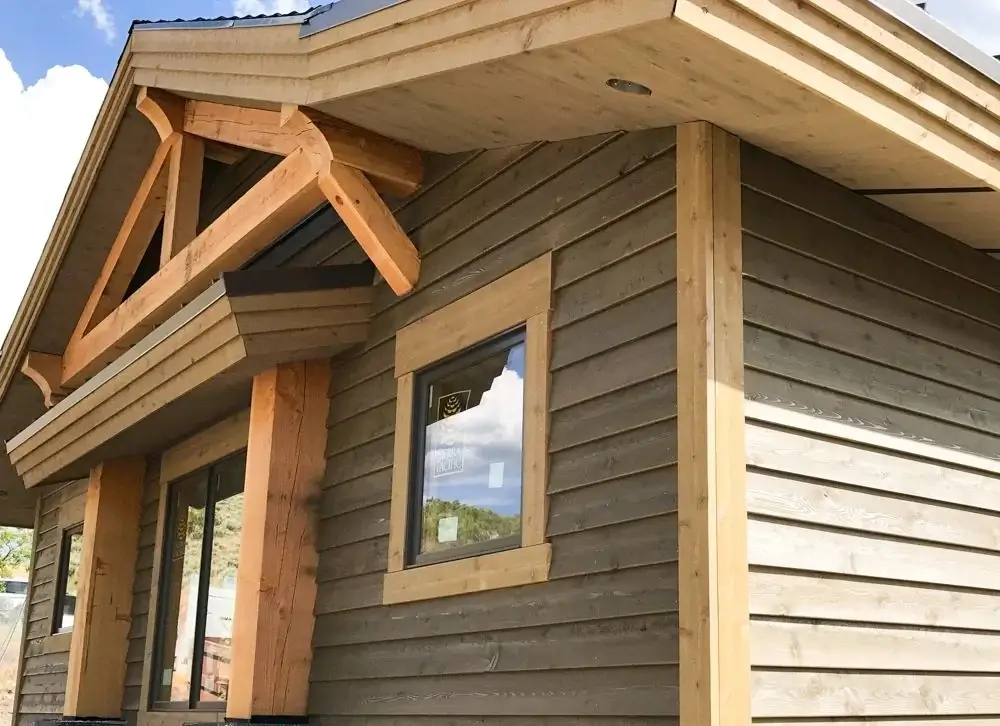
Contractors love to talk about vinyl’s low maintenance while glossing over wood’s long-term advantages. Here are some important facts about wood siding that you won’t hear in most sales pitches.
1. Custom wood siding can be more cost-effective long term
Wood siding needs more money upfront (USD 6.90-13.90 per square foot) than vinyl (USD 2.00-3.00 per square foot), but delivers a solid 77% return on investment. You can remove and replace individual wood panels without disturbing the whole system, which saves money on maintenance. A seasoned industry expert puts it well: “Doing something the right way usually costs 30-50% more than the cheapest way; however, fixing something gone wrong costs 10 times what it would to do the job right”.
2. Maintenance is manageable with modern treatments
The truth about wood siding maintenance looks different with today’s solutions. Modern wood siding needs refinishing every 5-6 years, not the constant care some builders might suggest. Quality sealants and treatments stretch this timeline even further. Cedar remains a top choice for wood siding through the centuries because of its natural beauty and easy upkeep. A good seal with functional stain or clear sealant guards against moisture damage—wood’s biggest enemy.
3. Fire-resistant options are available
Modern wood siding breaks the old safety myths with effective fire retardants. ThermaWood FR shows this with its patented fire treatment that bonds at the cellular level, so you won’t need frequent refinishing. The protection gets “baked in” through kiln-drying, creating a lasting bond for reliable fire resistance. These treatments meet or exceed Wildland-Urban Interface (WUI) certification requirements in wildfire-prone areas.
4. Wood siding on a house can increase buyer interest
Wood siding boosts your home’s resale value through:
- Better curb appeal that catches buyers’ eyes
- Natural warmth that makes real estate listings pop
- An authentic character that draws craft-conscious buyers
The numbers speak clearly – wood siding brings a 77% ROI, making it smart money for future home sellers. Buyers love the natural beauty wood brings to a property, which helps it stand out in competitive markets.
Why Wood Siding Deserves a Second Look
Let’s talk about wood siding’s hidden benefits. This traditional material packs exceptional value, no matter what some contractors might tell you. Natural wood knows how to breathe. It keeps moisture problems away and helps regulate indoor temperatures as seasons change. On top of that, it’s great for the environment – responsibly sourced, needs less energy to produce, and completely breaks down at the end of its life.
Nothing matches wood’s beauty. Every installation tells its own story through natural grain patterns and textures. Synthetic alternatives just can’t copy these features. Many homeowners worry about maintenance, but modern treatments have substantially reduced the work needed. Even fire-resistant options are now available, making wood a smart choice in wildfire-prone areas.
Money-wise, wood makes sense when you look at the whole picture. Your original investment pays off through higher property values and easier repairs. You can restore wood siding instead of replacing it completely. It typically brings a 77% return on investment and creates the kind of curb appeal that buyers love.
Wood siding has stood strong through the years, and with good reason. River City Roofing recommends considering wood siding for its unmatched blend of beauty, performance, and sustainability. Next time you’re evaluating exterior options, ask about long-term value beyond the standard sales pitch—you might discover wood siding’s surprising advantages align perfectly with your home’s needs.

FAQs
Q1. What are the main advantages of wood siding over synthetic alternatives?
Wood siding offers natural breathability, better thermal regulation, and less static buildup compared to synthetic materials. It also provides a unique aesthetic with natural grain patterns and can be more environmentally friendly due to its renewability and lower energy use in production.
Q2. How long can wood siding last with proper maintenance?
With proper care and maintenance, wood siding can last anywhere from 15 to 40 years. Some types of wood, like cedar, can even exceed 30 years when well-maintained. Regular treatments and timely repairs can significantly extend its lifespan.
Q3. Is wood siding a fire hazard?
While untreated wood can be vulnerable to fire, modern wood siding options include fire-resistant treatments. Some products, like ThermaWood FR, offer long-lasting fire protection that meets or exceeds certification requirements for wildfire-prone areas.
Q4. How does wood siding impact a home’s resale value?
Wood siding can positively impact a home’s resale value, offering up to a 77% return on investment. It enhances curb appeal, adds warmth and character, and can attract potential buyers looking for homes with authentic, natural materials.
Q5. Is maintaining wood siding as demanding as some builders suggest?
Modern treatments have made wood siding maintenance more manageable than often portrayed. Typically, wood siding needs refinishing every 5-6 years. High-quality sealants and treatments can extend this timeframe, making maintenance less frequent and more cost-effective in the long run.