


Sagging gutters can get pricey when water damage affects your ceiling, walls, and floors. You can save money and prevent home damage by learning to fix them yourself.
Professional gutter installation averages $1,000. The good news? Most repairs need simple hangers that cost $10 or less each.
Your home’s gutters show clear signs when they start to sag. Look for bowed, cracked, or bent sections. Water might overflow during rain or create pools near your home’s foundation.
The solution is simpler than you might think. A quick trip to the hardware store and some simple tools can help you tackle most gutter problems. Your gutters might sag from debris buildup, loose fasteners, or incorrect slope angles.
Water needs the right path to flow properly. Your gutter system requires at least a quarter inch of slope every 10 feet toward the downspouts. In this blog we will see how to fix sagging gutters before they cause major damage to your home.
Common Causes of Sagging Gutters
Your sagging gutters need a proper diagnosis to fix them right. The right understanding of why it happens helps you make lasting repairs instead of quick fixes that don’t last.
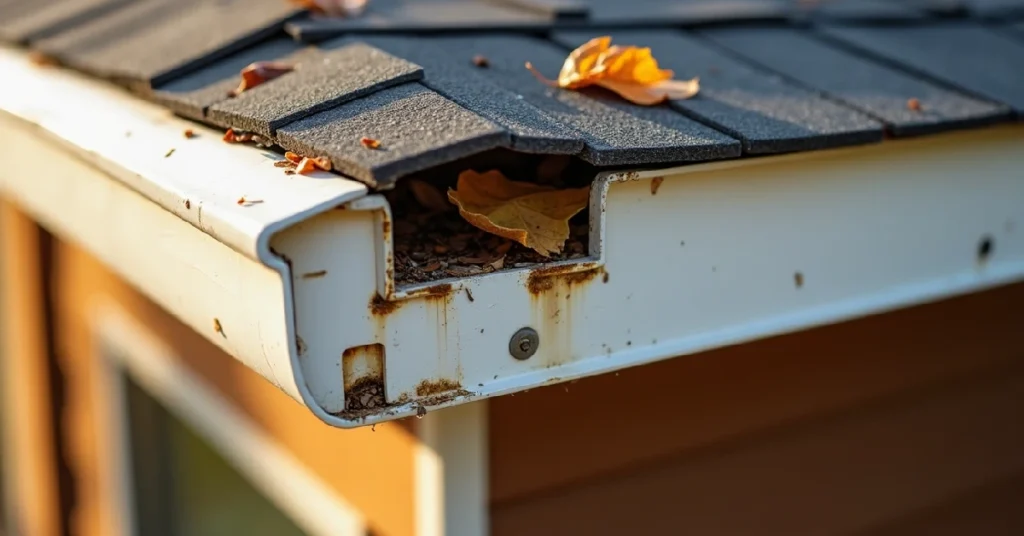
Debris buildup and water weight
Clogged gutters stand out as the main reason behind sagging. Your gutters collect leaves, twigs, and debris that pile up and block water from flowing smoothly.
Rainwater pools up and puts pressure on your whole gutter system because it can’t flow through the gutters and downspouts. A single gallon of water weighs about 8 pounds, and this extra load can bend gutters or pull them off the roof.
The weight becomes too much and pulls the gutters away from the fascia board, which creates that obvious sagging look. Your home’s clean lines break up and look unsightly when gutters get too full of debris and water.
Loose or missing fasteners
Fasteners that hold your gutters get loose as time passes. Gutter spikes – those long nails that keep gutters attached to your house – often slide out as wood behind them starts breaking down.
The fasteners weaken because moisture and changing temperatures make them expand and contract. The spikes work their way loose, and your gutters start to droop away from the roof.
Hidden hangers work better than spikes because they screw in rather than nail in. These hangers can still fail if nobody checks them regularly.
Improper installation or slope
Your gutters need the right slope to work. A good rule says gutters should drop about ¼ to ½ inch every 10 feet so water flows toward the downspouts.
Water sits still instead of moving to the downspouts if the gutters lack proper slope or support. Poor hanger spacing means the weight doesn’t spread evenly across your gutter system.
Houses settle naturally with time, and this can throw off the pitch of gutters that were installed correctly. Some sections might tilt backward, making water pool instead of flowing down.
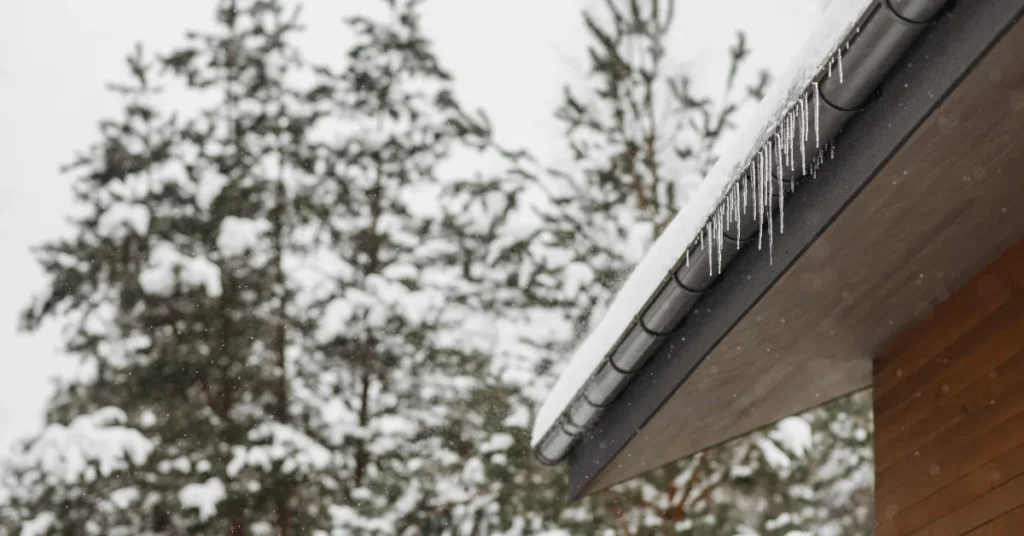
Ice dams and weather damage
Ice dams create big problems for gutters in cold areas. These thick ice ridges form when snow melts on warm roof spots and freezes again at the edges.
Ice dams weigh so much that they can rip gutters off or damage shingles. Summer heat makes gutters expand while winter cold shrinks them, which slowly warps the material.
Big storms can overwhelm your gutters, especially if they’re partly clogged already. The sudden rush of water might make them sag or pull away from your house because of their weight.
How to Fix Gutter Spikes and Screws
Modern gutter screws provide one of the best solutions to fix sagging gutters. These screws have super-sized threads that grip better than traditional spikes, which tend to come loose easily.

Remove old or loose spikes.
You’ll need a few basic tools to get started: a ladder, safety gloves, safety goggles, a hammer, and pliers. Your safety should come first before any gutter repairs begin.
The ladder needs stable ground placement. Look for those metal fasteners that stick out from the gutter’s front edge – these are the loose spikes you’ll remove.
The claw end of your hammer works great to pull out old spikes, similar to removing a nail. You can loosen it first by pulling gently in the direction opposite to how it went in.
Some spikes might not budge easily. Light tapping combined with plier pulling usually does the trick. The best approach is to work from the corners toward the gutter system’s middle.
Install threaded gutter screws.
The new gutter screw goes right through the same hole where the old spike was. These specialized screws have wider threads that create a tight fit in worn spike holes.
Your cordless drill helps drive the screw once it reaches the fascia board behind the gutter. The trick lies in finding the right tightness – secure but not too tight to avoid gutter damage.
A simple rule works well here: tighten until it locks and add a quarter turn more. This creates perfect security without warping your gutter.
Use ferrules and shims for added support.
Ferrules are significant metal or plastic tubes that fit inside gutters around screws. They keep uniform spacing and protect the gutter from getting crushed during tightening.
Old ferrules can work with new screws if they’re in good shape. Most new gutter screws include compatible ferrules in the package.
Wooden shims help with extra loose holes. Cut a small wooden shim about 2 inches long that matches the gap width.
Clear epoxy on the shim helps it stick better. Push it into the gap and tap until it sits flush with the gutter. This creates fresh wood for the screw to grip and adds solid backing support.
Replacing Brackets and Hangers
Droopy gutters can be fixed by replacing brackets and hangers, even after tightening spikes and screws fails to work. This solution works better for gutters that have been sagging for long periods.
Detach the sagging gutter section.
Your work area needs a stable ladder on level ground. Safety comes first, so ask someone to hold the ladder while you work to avoid accidents.
Look at how the gutter section was put together and note the water’s flow direction before starting any work. This knowledge helps you take things apart in the right order.
Clean out all debris from the gutters to make them lighter before detachment. A utility knife will help you cut through any sealant between sections.
The gutter releases as you hold each bracket clip and ease it toward you. After all clips are free, roll the gutter forward from the clips.
Remove and replace damaged brackets.
The fascia board behind the detached gutter section needs checking for rot or damage. Wooden dowels and glue can fill larger fastener holes, while exterior wood filler works best for holes you won’t use again.
Unscrew old brackets from the fascia board to remove them. Bent brackets should be replaced instead of straightened.
New brackets should match the previous screw holes. Secure fasteners into rafter tails rather than just the fascia board for extra strength.
Install new hidden hangers securely.
Hidden hangers offer better strength and look cleaner than regular spikes. These hangers clip onto the gutter’s back and under its front lip.
Space new brackets 24-36 inches apart for the best support. Hidden hangers must clip properly onto the gutter’s back—not just screw through—to support the structure correctly.
Secure the hanger under the gutter’s front edge, then bend it over the back. A quarter-inch driver helps secure the pre-installed screw through the bracket into the fascia.
The gutter should slope about 1/4 inch every 10 feet toward the downspouts after installation. Run water through the gutter to check proper flow toward the downspouts.
Preventing Future Gutter Sagging
The best way to fix sagging gutters is to stop them from happening again. Good maintenance and a few preventive steps will help you avoid repairs that can get pricey and make your gutter system last longer.
Clean gutters regularly
Your gutters need regular cleaning to prevent sagging. You should clean them at least twice a year – during spring and fall works best.
Clogged gutters collect leaves and debris that hold moisture and add extra weight to your system. This weight makes gutters pull away from the fascia as time passes.
The trapped debris becomes a perfect home for mosquitoes, rats, and mice that could carry diseases. Regular cleaning gets rid of these nesting spots.
Check the slope and line up.
Your gutters need the right slope to direct water toward downspouts. The best slope should drop 1/4 inch for every 10 feet of gutter.
Watch for water pooling after rain – it shows your slope isn’t right. A small adjustment to tilt gutters toward downspouts will make water flow better.
Check often to make sure your gutters haven’t moved and still sit at the right angle. This quick check stops water from building up and causing sag.
Install gutter guards or covers.
Gutter guards make maintenance easier by keeping leaves and debris out of your system.
You’ll still need to clean them sometimes, but guards make the job simpler. Just brush or wash away surface debris now and then.
These guards also protect your roof from damage and stop moisture from running off near your home’s foundation.
Inspect the fascia board for rot.
Water that spills behind gutters can damage your fascia boards. Rotted fascia won’t hold up your gutters’ weight.
Here’s a quick test – push a screwdriver into the wood. Solid wood means it’s fine. If the screwdriver goes in, your fascia’s getting soft.
You need to act fast if you see damage. Wood rot won’t stop once water breaks the waterproof seal.
Add extra hangers for support.
Extra hangers give your gutters more strength and support. Put them 24-32 inches apart for best results.
Try to install hangers through the fascia board into the rafter ends. This spreads the weight better across your whole gutter system.
Hidden hangers work really well because they clip into the gutter’s front lip and reach across to the back. They give great support but stay out of sight from below.

Conclusion
Well-maintained gutters protect your home from costly water damage. Your gutters can sag due to debris buildup, loose fasteners, poor installation, and weather damage.
You can fix these problems with simple solutions that work. Modern gutter screws hold better than old spikes. New brackets and hangers add strength to damaged sections.
The best way to avoid future problems is prevention. Clean your gutters often to remove debris that puts extra weight on the system. The right slope helps water flow to downspouts instead of creating dangerous pools.
Gutter guards make a smart investment that cuts down on maintenance needs. These covers keep leaves and debris away while water flows smoothly through the system.
Your fascia boards need regular checks for rot. These boards are the foundation of your gutter system. Their condition affects how well your gutters work over time.
A little maintenance today saves you from big repairs later. Your gutters shield your home, so they need proper care to work well for years.