
Many homeowners wonder if it’s possible—and wise—to install a metal roof directly over existing asphalt shingles. Considering metal roofs can last 40 to 70 years, compared to the 12 to 20 years for shingles, the idea of layering metal roofing on top seems like a smart investment. Not only can this save on labor and disposal costs, but it can also boost energy efficiency and reduce environmental waste. However, the process isn’t as simple as it sounds, and there are important factors to consider before deciding on a metal roof-over. For reliable guidance and expert installation, trusted local companies like River City Roofing specialize in metal roofing solutions tailored to your home’s needs
Why Homeowners Consider Metal Roofing Over Shingles
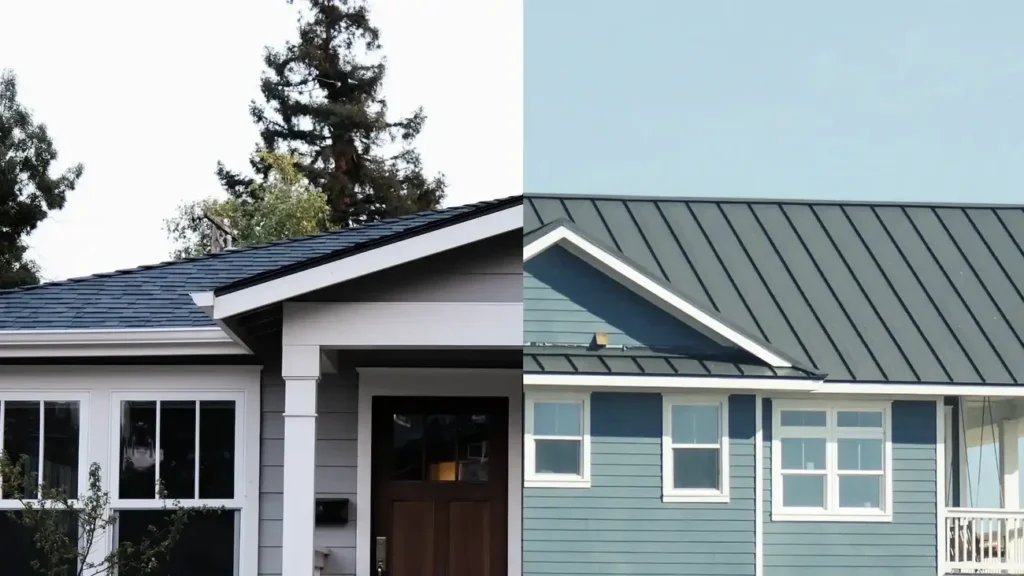
Image Source: Artisan Quality Roofing
Homeowners are switching from traditional asphalt shingles to metal roofing, and with good reason too. They’ve discovered benefits that go well beyond knowing how to install metal over existing shingles. Let’s explore why this roofing choice keeps growing more popular.
Durability and lifespan advantages
Metal roofing’s exceptional longevity makes it a compelling choice. Asphalt shingles need replacement every 12-20 years, but metal roofs last 40-70 years with minimal upkeep. These roofs deliver outstanding protection against extreme weather – high winds, heavy snow, hurricanes, and even wildfires. Their remarkable weather resistance eliminates the need for frequent repairs that plague traditional roofing materials.
Energy efficiency and insulation benefits
Metal roofs help homeowners cut energy use by up to 40%[42]. The metal surface naturally reflects solar heat rather than absorbing it, which reduces summer cooling costs by 10-25%. Good insulation under metal roofing creates a barrier that keeps indoor temperatures steady throughout the year. This puts less strain on HVAC systems, leading to better comfort and lower bills.
Curb appeal and resale value
Metal roofs cost more upfront but pay off when you sell your home. Homeowners get back 48.9% of their original investment in standing seam metal roof installations. Many recover 85-95% of installation costs during resale. These roofs come in styles and colors that give properties a modern look, making them distinctive in neighborhoods and catching potential buyers’ eyes.
Environmental impact and recyclability
Metal roofing ranks among today’s most environmentally responsible building materials. Manufacturers use up to 90% recycled content, and the finished product remains 100% recyclable after its long life. Compare this to 11-13 million tons of asphalt shingles filling landfills each year, taking over 300 years to break down. Metal’s lighter weight often allows installation over existing roofs, which keeps old materials out of landfills.
Risks of Installing Metal Roofing Over Existing Shingles
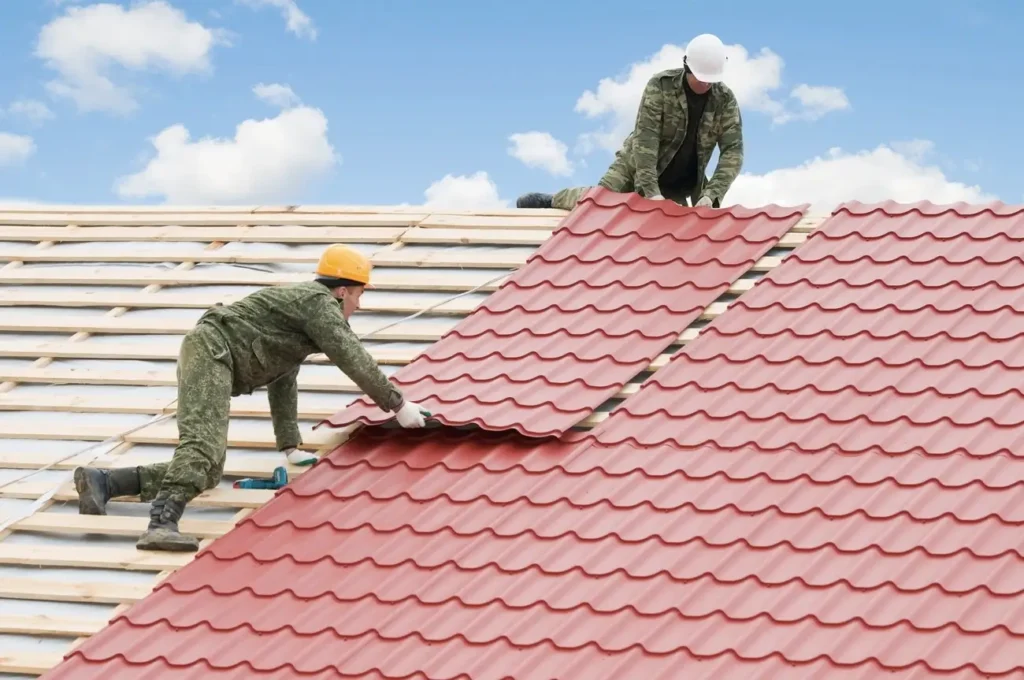
Image Source: Legacy Service
Metal roofs installed over existing shingles might look like an economical shortcut, but homeowners should think over several risks before they proceed.
Hidden damage in roof decking
Your contractor won’t be able to inspect the roof’s decking when metal roofing goes over shingles. If your contractor can’t test your decking’s integrity or inspect for rotten boards, it will lead to costly problems down the road. Structural issues could worsen quietly over time, and you might not notice them until they become severe.
Added weight and structural stress
Metal roofs combined with existing shingles put tremendous pressure on your home’s structure. Your house might not handle this extra load well, especially when you have heavy snow or high winds. Experts call this combination of extra weight and weak decking “a ticking time bomb” that could cause serious structural damage.
Inability to replace worn components
Skipping old shingle removal means you’ll miss the chance to replace vital roofing parts at the end of their life. Your roof’s underlayment needs special attention since it protects against moisture. The aged underlayment from your shingle roof won’t work as well as the specific type designed for metal roofing.
Moisture and ventilation issues
Roofing layers need proper ventilation. Moisture gets trapped between metal and shingles without it. This leads to mold growth, wood rot, and faster deterioration. Humid climates face bigger risks because condensation forms quickly and stays trapped.
Hard-to-detect leaks
Water that gets past your metal panels will flow along the easiest path across your old shingle roof. Finding leaks becomes a real challenge. Water might start from either roof layer and travel far before showing up inside your home.
Code violations and insurance concerns
Local building codes often limit the number of roofing layers allowed. Multiple layers of shingles under metal might violate these codes. Your insurance premiums could go up, or worse, companies might deny your claims. Many metal roofing warranties become invalid if installed over shingles, leaving you unprotected against future problems.
Installation Methods for Metal Roof Over Shingles
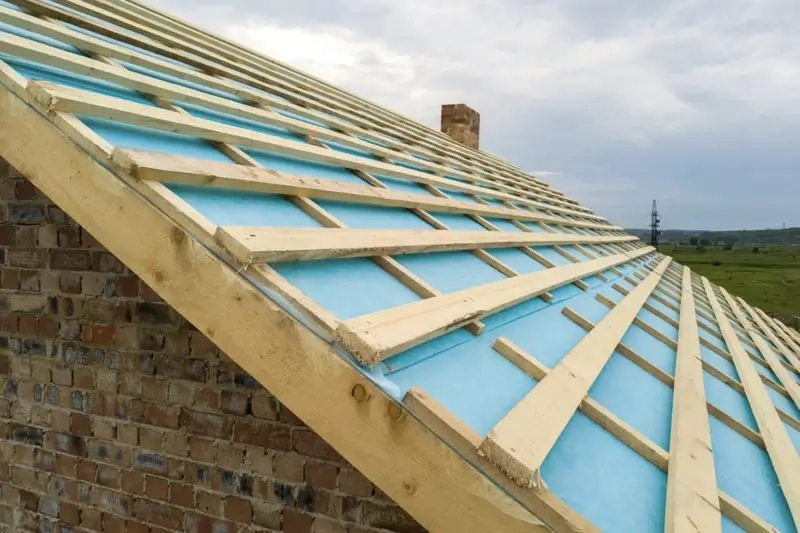
Image Source: Metal Roofing and Siding Blog – McElroy Metal
Metal roof installation over existing shingles needs the right method that matches your roof’s condition and needs. You’ll find different benefits with each approach in terms of how long it lasts, ventilation, and overall performance.
Direct attachment with underlayment
The quickest way to install involves putting an underlayment right over your existing shingles. This barrier stops shingle granules from damaging the metal through corrosion. Traditional felt paper (tar paper) has been the standard, but synthetic underlayments work better with metal roofing these days. Metal expands and contracts, making tar paper stick to it. Synthetic options don’t have this issue. “E-Foil” reflective barrier insulation can also act as a cushion between layers and boost energy efficiency.
Using furring strips or purlins
Uneven or badly damaged roofs need furring strips (also called purlins) to create a stable foundation. These wooden strips attach through the old roof into the structure and give you a solid base to fasten metal panels. You’ll need to space them 12-24 inches apart based on metal thickness and roof pitch. This creates valuable airspace between roofs. The cost runs higher than direct attachment but you get better ventilation and it fixes surface irregularities.
Shingle recover systems
The 138T Shingle Recover System is a game-changer that works without furring strips. This patented system uses clips that rest on two shingles and line up with the roof’s plane. The clips create a ¾-inch ventilated airspace between your old roof and new metal panels. You won’t need extra framing or underlayment with this system.
Ventilation and moisture control
Your roof needs proper ventilation to work. Above Sheathing Ventilation (ASV) creates airflow between layers and cuts heat transfer by up to 30%. The International Residential Code requires a ventilation ratio of 1 square foot per 150 square feet of attic floor space. Ridge vents work best when you split the ventilation – half at the eaves and half at the roof’s upper section.
Choosing the right fasteners and trim
Self-tapping screws with compressed thin washers create secure connections. You should place fasteners in the flat part of metal panels every two feet. Good trim installation at edges and transitions keeps wind-driven rain out and prevents damaging air movement under the panels.
When a Metal Roof-Over Is Not Recommended
Metal roof-overs can offer great benefits, but some situations make them risky or downright dangerous. Spotting these red flags early will save homeowners from getting stuck with pricey mistakes and structural issues.
Multiple layers of shingles
Building codes allow metal roofs over a single layer of shingles, but that’s it. Your home’s structure wasn’t built to handle the weight of multiple shingle layers plus metal roofing. Too much weight can make trusses sag or break over time. Make sure you know exactly how many layers sit on your roof right now.
Severely damaged or warped shingles
Shingles with much damage, curling, or buckling won’t give your metal panels the stable base they need. These problem areas show through the new metal roof and create visual flaws like oil canning (rippling effect). Metal roofing lasts a long time, but putting it over bad shingles will cut its life short and mess up its looks. You’ll get the best results with flat, damage-free shingles underneath.
Unsupported roof structures
Your roof’s framework strength plays a huge role in how well a metal roof-over works. Old houses or buildings with weak support systems can’t handle both roofing systems at once. The biggest problem? You can’t check the decking for rot, water damage, or weak spots without taking off those old shingles. Hidden damage like this can wreck your whole roof system as time goes by.
Local building code restrictions
Building codes protect everyone, and they’re different in each area. A lot of places won’t let you do roof-overs if your existing shingles look rough. On top of that, some codes say no to new roofing over multiple layers because of weight issues. Breaking these rules could land you in legal trouble, get insurance claims denied, and void your manufacturer’s warranty. Of course, checking with local officials first will protect your investment and keep you on the right side of safety rules.
Conclusion
Final Thoughts on Metal Roofing Over Shingles
Installing a metal roof over existing shingles can be a cost-effective and eco-friendly solution—if your roof’s condition and local building codes allow it. This approach offers benefits like increased durability, better energy efficiency, and reduced waste, but also carries risks such as hidden deck damage, moisture buildup, and potential structural stress. Careful roof inspection and proper installation techniques are crucial to avoid costly problems later. If multiple shingle layers exist or significant damage is present, removing old shingles is usually the safer option. For a lasting, high-performance metal roof, partnering with experienced professionals like River City Roofing ensures your investment is done right, protecting your home and adding value for decades.
FAQs
Q1. Can a metal roof be installed over existing shingles?
Yes, it’s possible to install a metal roof over existing shingles, but it’s not always recommended. This method can add extra weight to the roof structure and may trap moisture between layers. Proper installation techniques, like using furring strips for ventilation, are crucial if choosing this option.
Q2. What are the benefits of installing a metal roof?
Metal roofs offer numerous advantages, including exceptional durability (lasting 40-70 years), energy efficiency (potentially reducing cooling costs by 10-25%), increased home value, and environmental friendliness due to their recyclability and use of recycled materials.
Q3. Are there any risks to installing a metal roof over shingles?
Yes, there are several risks to consider. These include potential hidden damage to the roof deck, added weight stress on the structure, moisture and ventilation issues, and difficulty detecting leaks. Additionally, this method may violate local building codes or void manufacturer warranties.
Q4. How does a metal roof perform in extreme weather conditions?
Metal roofs generally perform very well in extreme weather. They are highly resistant to high winds, heavy snow, and even wildfires. In hurricane-prone areas, a properly installed metal roof can offer superior protection compared to traditional shingle roofs.
Q5. Is a metal roof more expensive than a shingle roof?
Initially, a metal roof is more expensive than a traditional shingle roof. However, the long-term cost can be lower due to its longevity and durability. Metal roofs typically last 2-3 times longer than asphalt shingles, potentially offering better value over time despite the higher upfront cost.