Algae-resistant shingles offer an affordable solution. These shingles contain copper or zinc granules that stop algae from growing and protect your roof’s look and structure. They don’t just prevent ugly black streaks – they help maintain your home’s resale value, too. This piece looks at the best roofing shingles designed to curb algae growth. We focus on leading brands like Atlas with their lifetime warranty, Scotchgard technology, GAF’s 25-year StainGuard Plus protection, and CertainTeed’s copper-infused granules. These algae-resistant roof shingles prove worth the investment, with prices typically between $0.75 and $1.50 per square foot plus installation.
Why algae on shingles is a growing concern
Black streaks running down your roof aren’t just ugly—they’re a warning sign that needs attention right away. These marks show colonies of Gloeocapsa magma, a blue-green algae that’s becoming a big headache for homeowners of all types across the country. This isn’t regular dirt you can wash off. The organism eats away at your roof materials and causes lasting damage if you leave it alone.
Visual damage and black streaks
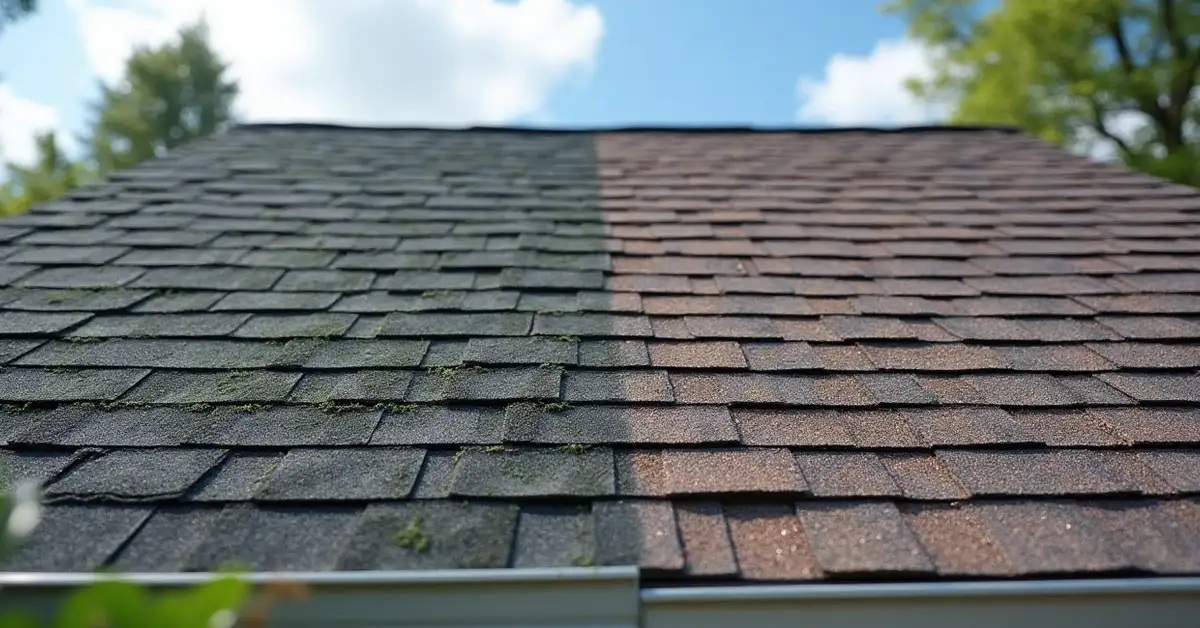
Those dark, vertical streaks developing on roofs are alive—they’re algae colonies that feed on limestone filler in asphalt shingles. This algae runs on humidity, which explains why some homes get hit harder and faster with these infestations. Small, isolated spots show up first. These spots then turn into obvious streaks that flow down your roof.
The scary part? Once you can see these streaks, the algae have probably been there for months. The colonies start with a blue-green color but turn into those trademark black streaks as they grow and spread.
Your roof’s shady spots, areas that stay wet, and sections under tree branches get these streaks faster. Older roofs also attract more algae, making this an unwanted but natural part of your roof’s life.
These streaks do more than look bad—they make your house look neglected. People might think you don’t take care of your property, even if everything else looks perfect. This creates a whole new problem beyond the physical damage.
Must Read: 6 Common Causes Of Discolored Roof Shingles
Impact on home value
Roof algae costs you more than just cleaning bills. House hunters see these black streaks and think there might be expensive structural problems. This can tank your property’s appeal and bargaining power.
The largest longitudinal study shows just how much algae and water quality problems hit your wallet. Research across six Ohio counties found that homes near algae-filled lakes lost 11% to 17% of their value. Lakefront properties took an even bigger hit—over 22%. While this study looked at lake algae, it shows how these problems can crush property values.
People living by lakes say their property values dropped 30-50% because of algae. This is bad news if you’re selling—buyers might ask for big price cuts or just walk away when they spot roof algae.
This is a big deal as it means that the drop in value can cost more than fixing or replacing the roof. Take Grand Lake Saint Marys—nearby homes lost $51 million in value, way more than the state’s $26 million cleanup budget.
Moisture retention and structural risks
The biggest problem? Algae guides you toward serious structural issues. It doesn’t just sit there—it actively eats the limestone in your shingles, leaving “scars” where protective granules used to be. This process makes your roofing materials weaker.
Your shingles’ top granule layer does several key jobs: it keeps shingles stuck to your roof, blocks UV damage, and protects your whole roofing system. As algae destroy these granules, your shingles become easy targets for weather damage.
On top of that, it creates a moisture problem that gets worse over time. These organisms trap water against your shingles instead of letting it evaporate—they’re sponges on your roof. This constant dampness creates perfect conditions for moss and lichen to grow.
Moss between shingles creates paths for water to get inside your roofing system. This moisture can reach the wood underneath, causing rot and weakening your roof’s structure. Cold weather makes it worse—trapped water freezes and thaws, cracking your shingles.
The damage follows this pattern:
- Algae eat limestone and trap moisture against shingles
- Protective granules come loose and clog gutters
- Shingles get weak, crack, and let water in
- Moisture reaches wood structures and causes rot
- Leaks start, and mold might grow inside your home
Most homeowners don’t see how bad things are until water stains show up inside—by then, the damage has been growing for months or years. Small patches of algae can force you to replace your whole roof if you ignore them.
Trapped moisture creates another problem—higher energy bills. Algae makes your roof darker, changing how shingles handle sunlight. Dark surfaces soak up more heat, making your AC work harder in summer. This adds to your costs beyond roof damage.
The worst part? When algae meet fungi, it’s much harder to get rid of. If you don’t deal with it, fungi can turn into moss that lifts shingle edges and lets water in. This makes your shingles more likely to blow off in strong winds.
These problems show why algae-resistant shingles have become crucial for homeowners who want to protect their property’s looks and structure.
What makes a shingle algae resistant?
State-of-the-art roofing technology provides an excellent solution to curb unsightly algae growth on shingles. These specialized roofing materials contain groundbreaking science that keeps your roof looking pristine for years. The effectiveness of these shingles makes them worth thinking over for your home.
Role of copper and zinc granules
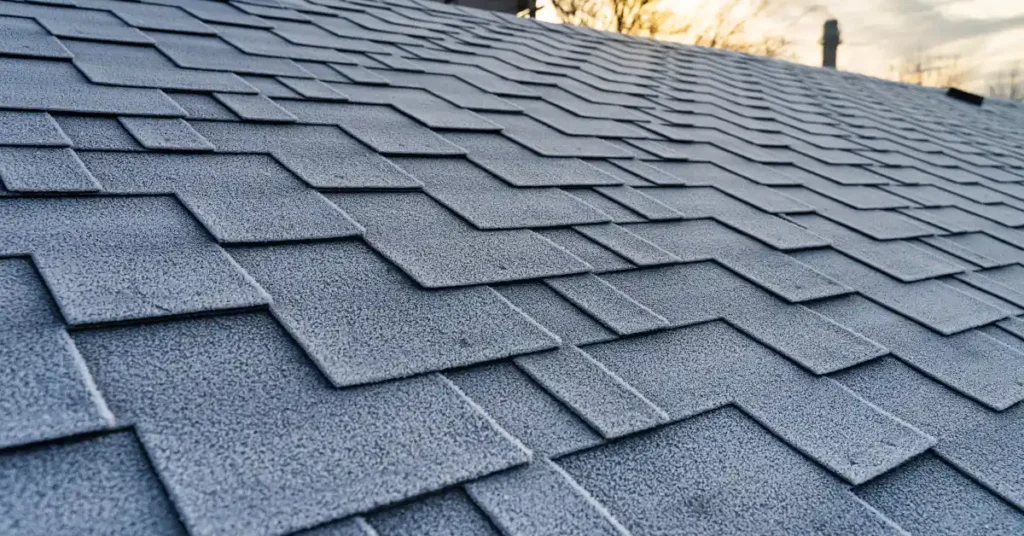
Metal granules embedded within shingles serve as the secret weapon against roof algae. Most high-quality algae-resistant shingles use copper as their main algaecide. Copper ions are released when rainwater touches these granules and create an environment where algae cannot survive. This natural defense system works because copper’s anti-algae properties stop microorganisms from forming colonies on your roof surface.
Zinc provides an alternative solution that costs less than copper. Many manufacturers combine both metals strategically to maximize results. Research published in the Journal of Materials Science shows these combinations can boost algae-fighting capability by up to 30% compared to copper alone.
These metal granules work by making shingle materials inedible to algae. Regular asphalt shingles contain limestone that algae feed on, but copper disrupts this feeding process. Algae colonies die without nourishment and cannot spread across your roofing surface.
The granules’ structure has a mineral core wrapped in copper armor for strength, plus a ceramic coating that adds unique looks and protection. This layered design ensures the algae-fighting components last long and work well.
Technology behind algae prevention
Algae-resistant shingles represent a major leap forward in roofing technology. Leading manufacturers have developed their systems that transform simple metal granules into sophisticated defense mechanisms.
GAF leads the industry with Time-Release Algae-Fighting Technology that uses thousands of copper microsites to release copper efficiently over time. Their StainGuard Plus technology puts specially designed capsules filled with copper microsites right into the shingles to create lasting protection.
CertainTeed’s StreakFighter technology uses surface granules that contain copper-infused components. These granules release copper slowly to protect against algae formation and help roofs keep their true color.
Manufacturing these shingles requires advanced methods to spread copper granules evenly across the surface. The National Roofing Contractors Association recommends at least 10% coverage for best results. Malarkey follows this standard by using a 10% mix of copper granules.
Special polymers wrap around copper granules to control their release rate. This packaging technology allows copper to disperse steadily over time. Industry leaders report that algae resistance can last up to 25 years.
How long does the protection last
Protection duration varies between manufacturers and product lines, but quality shingles stay effective for many years. Most algae-resistant shingles protect your roof for at least 10 years. The protection gradually weakens as copper and zinc granules wear away.
Warranty periods show how long manufacturers expect their products to fight algae growth. Most warranties cover algae discoloration for 10 to 15 years. CertainTeed offers limited warranties against blue-green algae for either 10 or 15 years, depending on the product.
Some products offer better coverage. GAF’s Timberline HDZ shingles come with a StainGuard Plus 25-year limited warranty against algae growth. The warranty covers full costs for the first 10 years before reducing annually. This structure reflects how protection decreases over time.
Products with Scotchgard Protector guard against black streaks from algae for up to 20 years. Shingles typically last around 25 years, with algae resistance warranties covering 10 to 15 years.
Good installation practices can extend protection. Adding algae-resistant accessories like ridge capping strengthens your roof’s defense system. Following maintenance guidelines helps the algae-fighting components work longer.
Shingles without algae protection can develop black streaks within 3 years in humid areas with lots of dew, moisture, and sun. This difference shows the value of algae-resistant technology in modern roofing materials.
Top 6 algae-resistant shingles to consider
Choosing the right shingles for your home starts with finding options that help curb algae growth. Several manufacturers have created impressive solutions that use copper and zinc technologies. Let’s get into the six most effective algae-resistant shingles you can find today.
1. Atlas Pinnacle Pristine
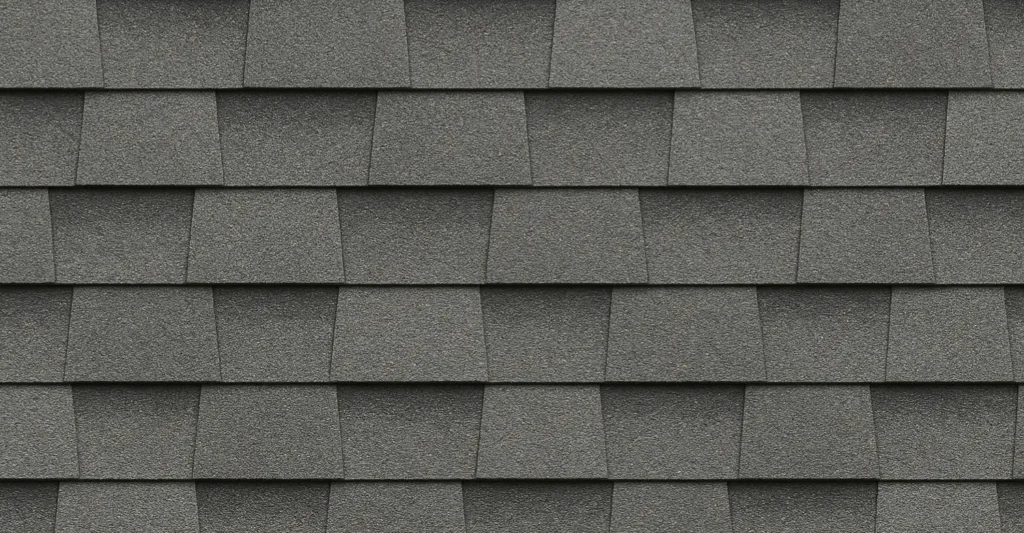
Atlas Pinnacle Pristine shingles excel with 3M’s Scotchgard Protector. These shingles work so well because of their unique blend of copper-coated granules with 3M’s ceramic coating that releases copper ions slowly over time. They don’t just treat algae after it appears – they stop growth before it starts.
Atlas stands out by sending shingles from every production batch to independent testing facilities. This ensures consistent quality. The company’s lifetime protection warranty against algae streaks and stains beats most competitors who only offer 10-15 years of coverage. The copper granules spread evenly across the entire shingle surface in a minimum 10% blend, creating detailed protection against all algae types.
2. GAF Timberline HDZ
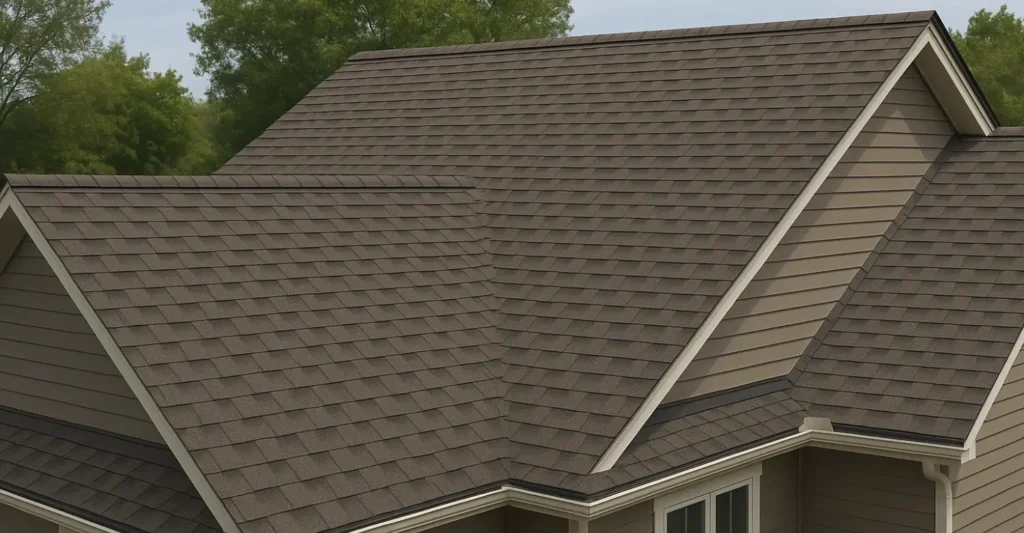
GAF’s Timberline HDZ shingles come with their StainGuard Plus algae-fighting technology and a solid 25-year warranty against blue-green algae discoloration. The technology in these shingles breaks new ground – they use specially engineered capsules filled with thousands of copper microsites that steadily release copper over time.
These shingles’ advanced time-release mechanism makes them unique. Traditional copper-coated granules lose effectiveness over time, but GAF’s engineered capsules keep releasing copper consistently for decades. The protection covers your roof from eave to ridge. The shingles also feature LayerLock Technology with a StrikeZone nailing area that’s 99.9% accurate and DuraGrip adhesive for better wind protection.
3. CertainTeed Landmark
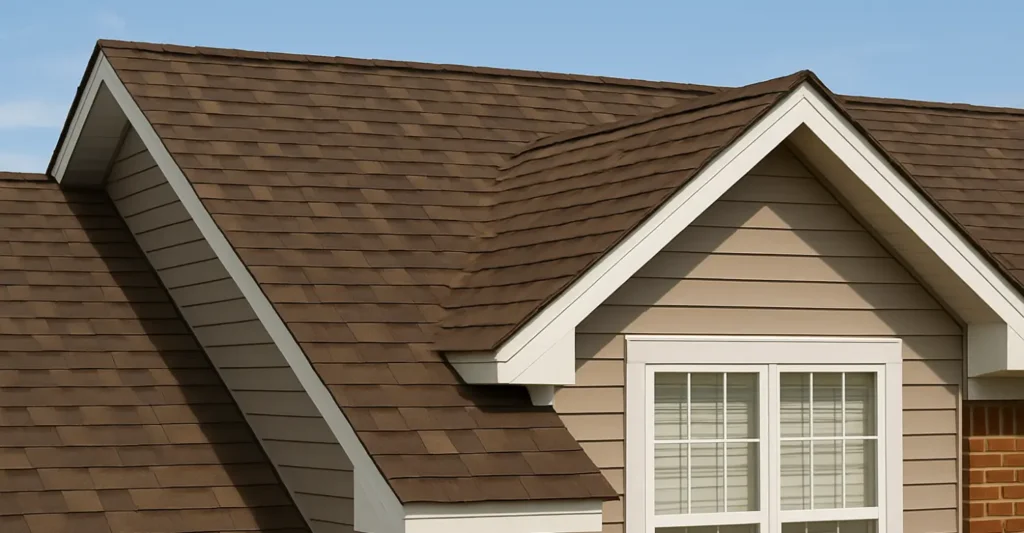
CertainTeed’s Landmark shingles use their StreakFighter algae resistance technology with copper-containing granules that naturally fight algae. These dual-layer shingles mix a tough fiberglass base with a protective outer layer for superior protection against the elements.
The copper in the granules releases slowly, offering reliable, long-term protection against algae formation. These shingles can handle winds up to 110 mph and have earned a Class A fire resistance rating from Underwriters Laboratories. They’re easier to install thanks to self-sealing adhesive strips and a unique NailTrak feature with clear nailing targets. You can get any CertainTeed shingle with StreakFighter protection for a small extra cost.
4. Owens Corning Duration
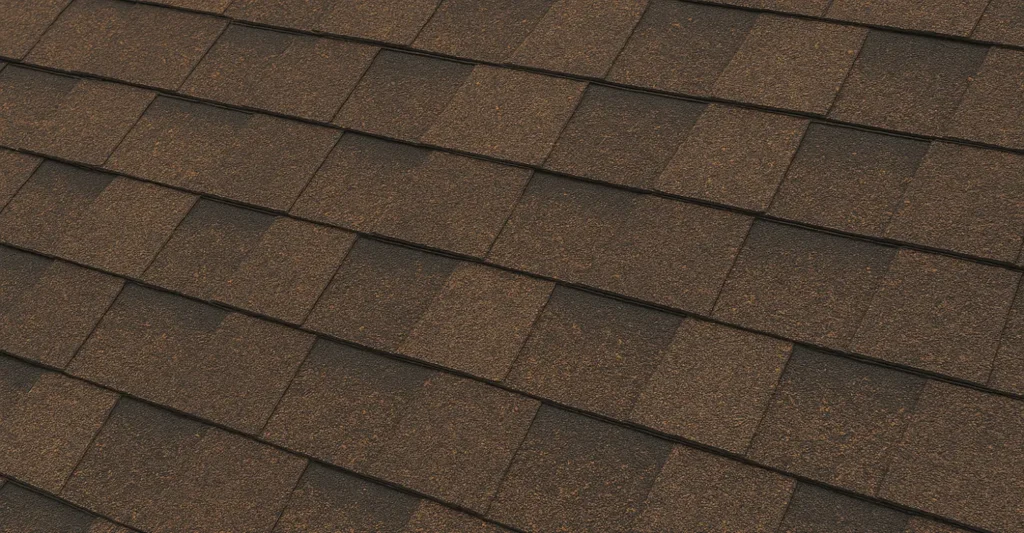
Owens Corning has upgraded their algae protection by giving their Duration series shingles a 25-year Algae Resistance Limited Warranty – much better than their old 10-year coverage. This extended protection comes from their StreakGuard technology that uses advanced granules designed to fight blue-green algae.
Owens Corning’s approach is unique because it requires a complete system. To get maximum protection and the enhanced warranty, you need their approved hip and ridge shingles installed with the algae-resistant laminate shingles. This system works together to protect your entire roof against algae. It’s especially valuable in warm, humid areas where algae grow more easily.
5. Malarkey Legacy
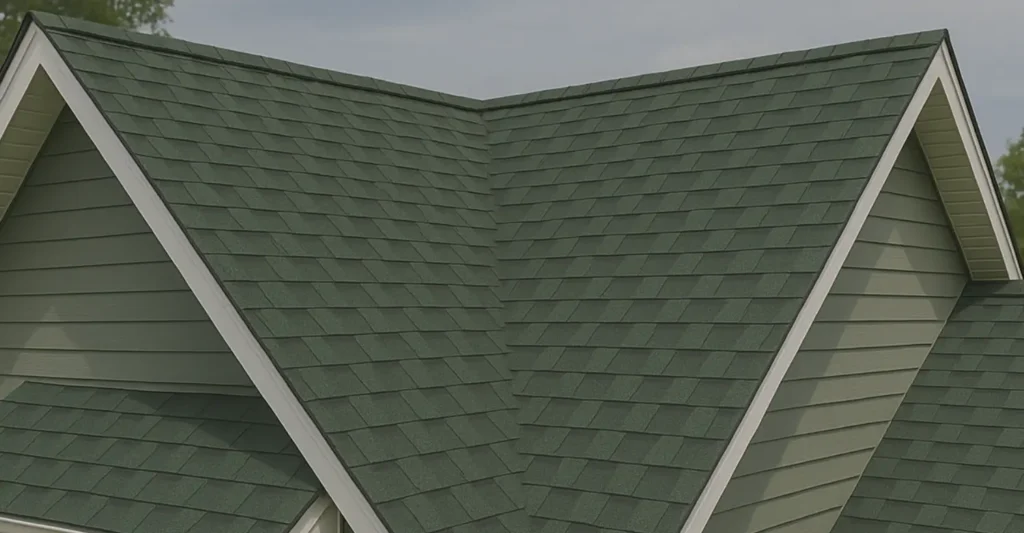
Malarkey Legacy shingles with Scotchgard Protector use at least 10% 3M Copper Granules and offer a limited lifetime algae warranty. These shingles meet the Insurance Institute for Business & Home Safety’s tough FORTIFIED roof standards and hold up exceptionally well in extreme weather.
Their copper granules blend naturally into the shingle’s color while stopping those ugly black streaks from algae growth. These shingles also feature NEX Polymer Modified Asphalt, which uses upcycled rubber and plastics to reduce waste in landfills.
6. IKO Cambridge AR
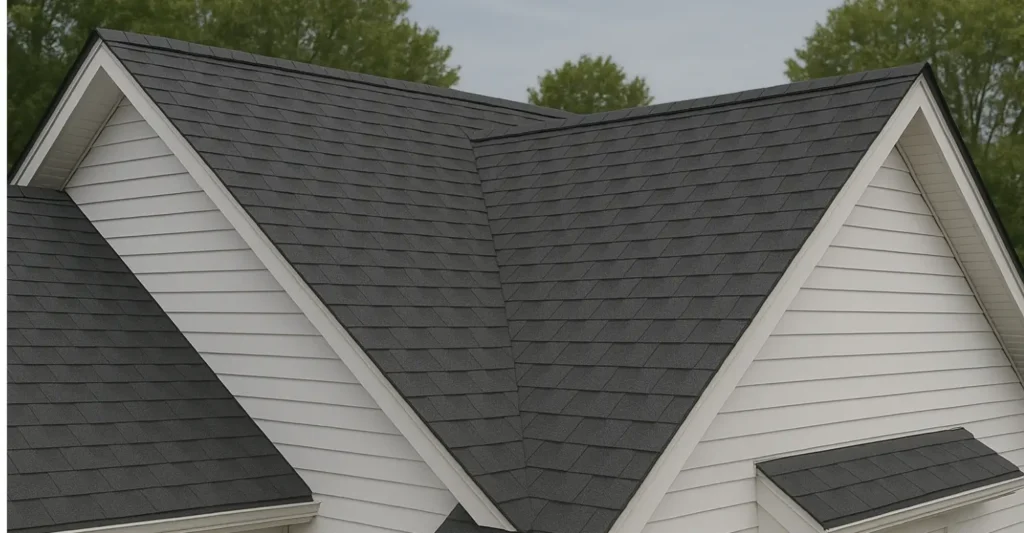
IKO Cambridge AR (Algae Resistant) shingles contain special granules that stop blue-green algae discoloration. They come with a 10-year algae resistance period as part of their full warranty package.
These shingles look like dimensional wood shakes while offering practical protection. They’re built with two layers of heavyweight fiberglass mat, more asphalt, and fewer fillers, setting high durability standards. The standard warranty covers winds up to 110 mph, and you can upgrade to 130 mph with special installation methods.
The Miami-Dade approval shows these shingles meet strict building codes for hurricane-prone areas. Homeowners in humid coastal regions where algae thrive will find IKO Cambridge AR shingles a smart investment that combines algae resistance with extreme weather protection.
Comparing the best roofing shingles by features
You need to look beyond algae resistance when picking the right shingles. Top brands have different warranties, ratings, designs, and prices. Let’s get into how these brands compare to help you make a smart choice for your roof.
| Brand | Algae Warranty | Wind Rating | Design/Color |
| Atlas Pinnacle Pristine | Lifetime (with Scotchgard) | Up to 130 mph | Bold colors, copper granules blend in |
| GAF Timberline HDZ | 25 years | Up to 130 mph (no limit with system) | Classic look, LayerLock tech |
| CertainTeed Landmark | 10–15 years | Up to 110 mph | Wide range, wood-shake style |
| Owens Corning Duration | 25 years | Up to 130 mph | Bright, fade-resistant colors |
| Malarkey Legacy | Lifetime (with Scotchgard) | Up to 130 mph | Strong, premium design |
| IKO Cambridge AR | 10 years | Up to 130 mph | Wood shake appearance |
Are algae-resistant shingles worth the cost?
Your roof investment can make a huge difference to your home’s looks, protection, and value. Many homeowners ask if algae-resistant shingles are worth their premium price tag. Let’s get into the numbers to see if these special shingles are worth the extra cost.
Cost vs. long-term savings
The original cost of algae-resistant shingles runs between $3.00 and $6.00 per square foot installed. This price is higher than basic shingles that start at $1.50 per square foot. A typical 2,000 square foot roof means you’ll pay about 10-15% more, adding $1,000-$2,000 to your bill for the algae-fighting technology.
This extra upfront cost often pays off in the long run. Professional roof cleaning to remove algae costs between $250 and $1,000 each time. These cleanings could add up to $2,500-$10,000 over 20 years – this is a big deal as it means that your initial investment.
More than that, these shingles can add 5-10 years to your roof’s life by stopping algae from causing damage. A new roof typically costs between $8,000 and $15,000, so pushing this expense further down the road saves you money.
Homeowners living in humid areas where algae thrive on moisture should invest in these shingles. One roofing expert put it simply: “If avoiding black streaks is important, algae-resistant shingles are worth it”. You’ll get the same quality materials plus protection against a common problem.
Energy efficiency benefits
These shingles help you save money in a less obvious way: better energy efficiency. Algae colonies look darker than regular shingles and soak up more heat. This turns parts of your roof into heat collectors that warm up your attic.
Lawrence Berkeley National Laboratory estimates show these shingles can cut cooling costs by 7-15% each year. If your summer cooling bills hit around $200 monthly, you could save $140 to $300 yearly. These savings add up to thousands over your roof’s lifetime.
Energy cost increases make these savings even more valuable. Your roof keeps its reflective properties instead of getting covered by dark algae growth. This natural cooling reduces strain on your HVAC system, which could last longer and help your home use less energy overall.
Resale value improvement
The best financial reason to choose algae-resistant shingles shows up when you sell your home. A new roof usually brings 48% to 61% return on investment. Algae-resistant shingles can boost this by another 5% to 10%.
Humid climate homes see even better results. These areas can see ROI hit 70% or more. Houses with clean-looking roofs simply sell for more money.
Real estate numbers back this up. Homes without stained roofs can sell for 3-5% more than similar houses with algae problems. On a $300,000 home, that’s $9,000-$15,000 extra, way more than what you paid for the algae protection.
Marketing benefits go beyond numbers. A roof without ugly black streaks looks better from the street and gets more buyers interested. Industry experts note that these premium shingles help homes “attract higher offers at the time of eventual sale”.
In a nutshell, looking at everything – upfront costs, cleaning savings, longer roof life, energy bills, and better resale value – algae-resistant shingles give you great value, especially in algae-prone areas. Your small extra investment keeps paying off throughout your roof’s life.
Conclusion
Black streaks from algae do more than just look bad on your roof. These unsightly marks damage your roof’s structure, drive up energy costs, and slash property values. The good news? Algae-resistant shingles give you a solid defense against these issues.
We looked at six major manufacturers: Atlas, GAF, CertainTeed, Owens Corning, Malarkey, and IKO. Each offers great options that fit different needs and budgets. They all use advanced copper or zinc technology to stop algae growth, though their methods and warranty coverage vary quite a bit.
Regular shingles might seem cheaper at first glance, but the math tells a different story. Professional cleanings could cost you up to $10,000 over your roof’s life—that’s five times more than what you’d pay for algae-resistant shingles. These specialized shingles also last 5-10 years longer and cut cooling costs by 7-15% each year.
The numbers get even better when you look at resale value. Homes with clean, algae-free roofs sell for 3-5% more than those with stained roofs. That extra value easily covers what you spent on the shingles.
When choosing algae-resistant shingles in Portland’s damp climate, River City Roofing recommends premium options like CertainTeed Landmark PRO or Malarkey Legacy shingles for maximum protection against moss and algae. Our certified installers ensure proper ventilation and flashing details that work with these advanced shingles to deliver their full lifespan and performance. Remember—investing in quality algae-resistant roofing today prevents costly cleanings and preserves your home’s curb appeal for decades.
FAQ
What causes black streaks on roofs?
Black streaks on roofs are typically caused by blue-green algae growth, particularly in warm and humid environments. These algae feed on limestone fillers in shingles, leading to unsightly discoloration and potential damage over time.
How do algae-resistant shingles work?
Algae-resistant shingles contain copper or zinc granules that slowly release metal ions when exposed to moisture. These ions create an environment inhospitable to algae growth, effectively preventing the formation of black streaks on your roof.
Are algae-resistant shingles worth the extra cost?
Yes, algae-resistant shingles are often worth the investment, especially in humid climates. They can reduce long-term maintenance costs, improve energy efficiency, extend roof lifespan, and increase home resale value, potentially offsetting the initial premium.
How long does algae protection last on these shingles?
The duration of algae protection varies by manufacturer, but most quality algae-resistant shingles provide effective protection for at least 10 years. Some premium options offer warranties against algae growth for up to 25 years or even lifetime coverage.
Can I install algae-resistant shingles myself?
While DIY installation is possible, it’s strongly recommended to hire certified professionals to install algae-resistant shingles. Proper installation is crucial for optimal performance and to maintain warranty coverage, as most manufacturers require installation by certified contractors.