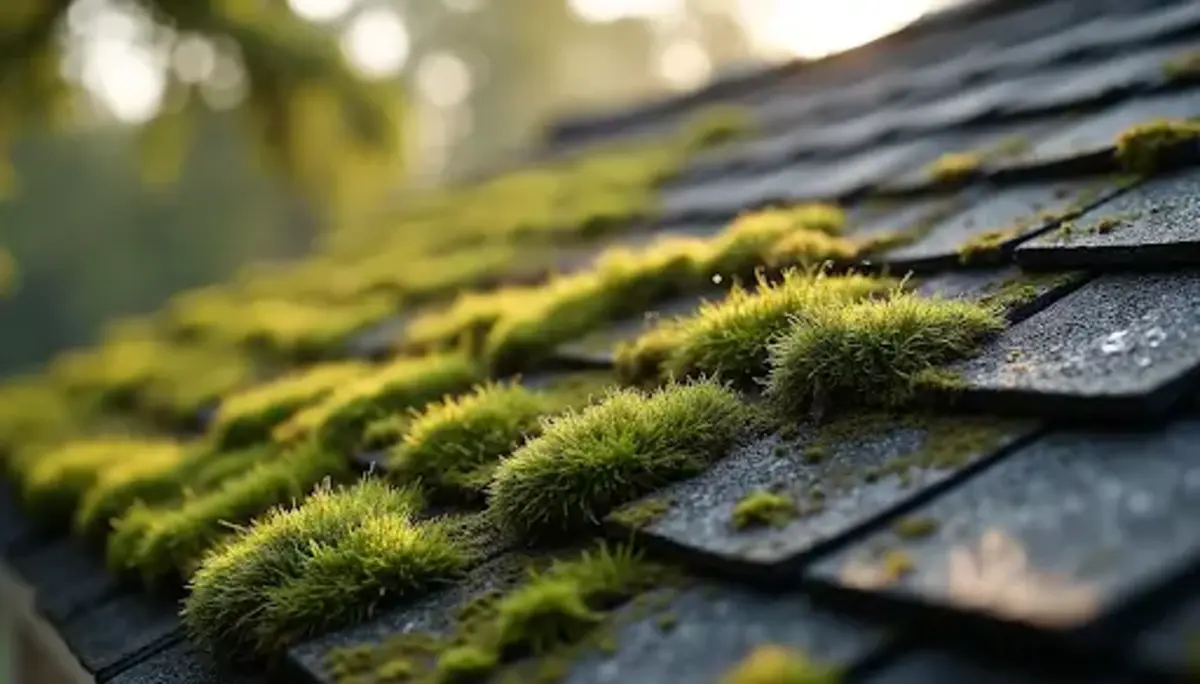
Roof moss removal stands as one of the most overlooked home maintenance tasks. Most homeowners don’t act until damage becomes visible. These tiny plants can soak up 20-30 times their weight in water. Their incredible water-holding capacity turns them into silent destroyers of roofing materials. Our planet hosts more than 22,000 moss species, and they create especially troublesome situations in coastal and humid areas.
Neglected moss on roof shingles can lead to serious structural problems. Your shingles can lift or curl due to trapped moisture, which substantially increases the risk of them blowing off in strong winds. The moss creates perfect breeding grounds for fungi by trapping soil and debris. This speeds up the decay of wooden roof parts. Pacific Northwest homeowners face this challenge more often due to the damp climate. Regular moss removal from roof surfaces becomes crucial to protect these homes. You’ll learn techniques that work to protect your investment and extend your roof’s lifespan without damaging the shingles.
Understanding Moss and Its Impact on Roof Shingles
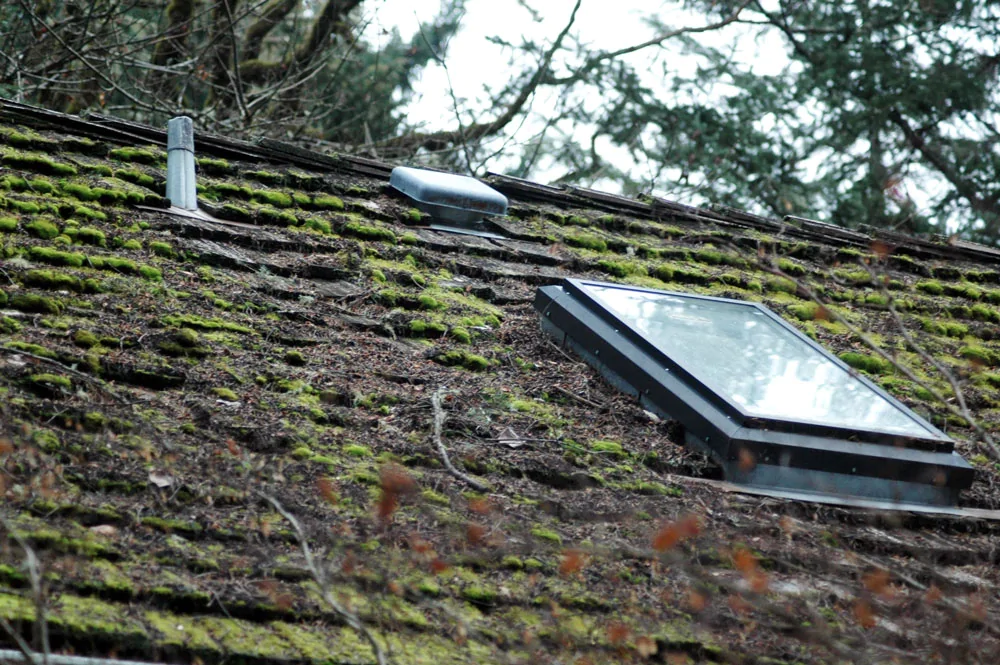
Moss growth on roofs goes beyond being unsightly—it poses a serious threat to your home’s structural integrity. You need to understand what moss is and how it damages your roof before you can remove it properly.
What causes moss to grow on roofs
Most plants get water through their roots, but moss works differently. It absorbs moisture right through its leaves. This unique feature lets moss thrive where other plants can’t—including on your roof. The north-facing sections of your roof are particularly vulnerable since moss loves damp, shaded spots.
Your roof becomes a perfect home for moss when:
- Moisture stays around, and sunlight is limited
- Leaves and twigs collect and trap water
- Tree branches hang over and create shade
- Water doesn’t drain properly from your roof
- The climate stays humid or rainy
The wind and animals can easily carry moss spores, which quickly spread across entire neighborhoods.
How moss affects asphalt shingles and roof structure
Your roofing system can suffer greatly from a two-year-old moss colony. The moss traps moisture against your roof surface, which then seeps beneath your shingles. This causes structural damage as time goes on and wood rot. There are several ways your asphalt shingles suffer:
- The moss peels off protective oils that strengthen shingles.
- Rising rhizoids, little root-like structures, break shingles.
- Water accumulates where it should not, hence obstructing correct drainage.
- Your shingles begin to curl, increasing their chances of being blown off in great winds.
A thin layer of moss may seem like no big deal, but it can cut the lifespan of your roof considerably if you don’t address it.
Difference between moss, algae, and lichen
They usually confuse these three frequent growths of the roof, but they are different in appearance and behavior:
Moss forms a solid, springy green carpet with stems growing upwards. It is soft to the touch and has a color from green to yellowish or brown.
Algae produce dark streaks or black patches (most often Gloeocapsa Magma). These single-celled plants grow in clusters without roots or leaves.
Lichen appears when algae and fungi team up, creating light green, round, flat patches on your roof. While lichen doesn’t trap water like moss, it can still harm your shingles by breaking through the protective granule layer.
Knowing these differences helps you pick the right way to treat your roof’s specific problem.
Safe and Effective Methods for Removing Moss from the Roof
Your next priority should be safe moss removal once you spot it on your roof. The green growth might tempt you to blast it away with high-pressure water. However, you need gentler approaches to protect your investment.
Using a bleach and water solution
A simple bleach solution is the quickest way to kill moss on roof surfaces. You may combine 1 to 3 cups of bleach with 2 gallons of water for an easy solution. Some homeowners include dish soap so the solution lasts longer on the moss. These are the steps to follow before applying:
- Cover nearby plants with a plastic sheet to protect them
- Apply on a cloudy day to prevent evaporation
- Allow the solution to sit for 20-45 minutes to be effective
Be sure to rinse surrounding plants after use to avoid damage from bleach runoff. Environmental homeowners can utilize oxygen bleach and vinegar-water solutions that will not damage nearby plants.
Why pressure washing is not recommended
Pressure washing your roof may be tempting, but it is damaging. High-pressure water removes protective granules from asphalt shingles and actually decreases their lifespan significantly. Water can also push under shingles and lead to leaks and water damage in your attic or ceiling. Most roof manufacturers say that pressure washing nullifies warranties on their products.
Manual removal with soft tools
A soft-bristle brush or broom works best to gently scrape away moss. Start from the roof’s peak and work downward to avoid lifting shingles. This direction covers your natural overlap of shingles while efficiently scraping away moss. Telescopic poles with scraper heads allow you to safely clean from the ground.
How to remove moss from roof shingles without damage
The safest approach combines several techniques:
Start by gently brushing loose moss with a soft-bristle broom from top to bottom. Then apply your chosen cleaning solution and let it sit for the recommended time. Finally, use a garden hose—never a pressure washer—to rinse thoroughly. Choose a cloudy day without rain in the forecast for the best results.
Note that dead moss won’t vanish immediately but will gradually loosen and wash away during rainfall. Regular maintenance helps prevent future buildup and keeps your roof’s integrity intact.
Preventing Moss Growth: Long-Term Roof Care Tips
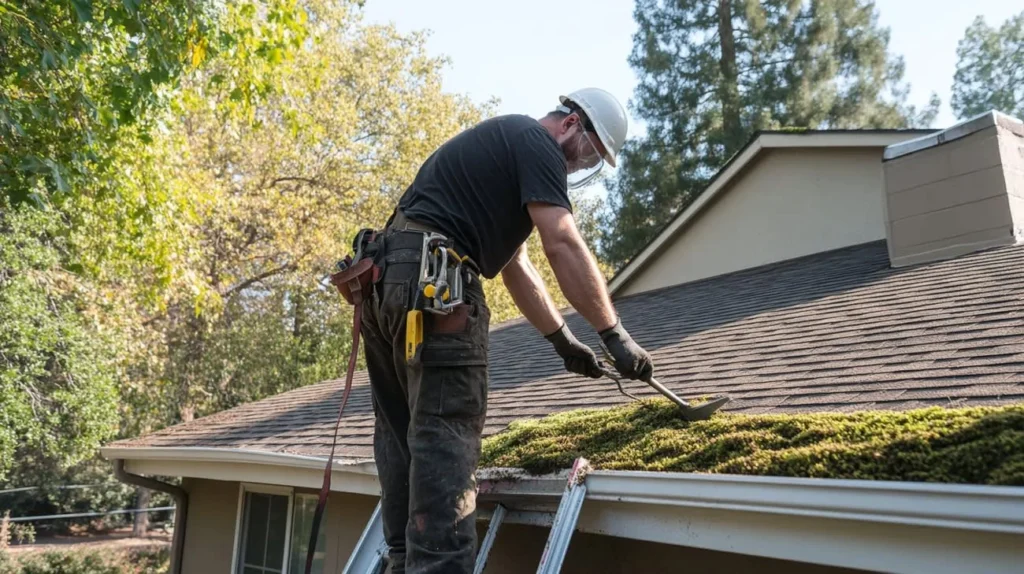
A good offense works best to protect your roof from moss. You’ll save time, money, and extend your roof’s life by taking preventive steps after clearing existing growth. Regular maintenance works better than dealing with moss colonies that are several years old.
Trimming trees and improving sunlight exposure
Moss runs in shaded, cool environments. Overhanging branches need trimming to achieve two vital goals. Sunlight reaches your roof more easily and creates conditions that moss hates. The trimming also cuts down organic debris falling on your roof that carries moss spores ready to start new colonies. Your north-facing roof sections need the most attention because they get less natural sunlight throughout the year.
Installing zinc or copper strips
Metal strips along your roof’s ridge serve as powerful moss deterrents. Rain carries metal ions down the roof surface as water flows over these strips to stop moss growth. Copper strips are a great way to get better protection that lasts substantially longer than zinc alternatives. Zinc strips protect for 5-8 years, but copper strips work for many more years.
The installation must be perfect. These strips need to lie completely flat against the roof so water spreads evenly. Use a bead of roofing sealant before and after each nail instead of standard nails to stop any leaks.
Choosing algae-resistant shingles
Think over algae-resistant shingles next time you need a new roof. These special shingles come with copper or zinc granules that release slowly over time to stop algae and moss from growing. They cost a bit more, between $3.00 and $6.00 per square foot – but provide long-term protection without extra maintenance.
Keeping gutters clean and functional
Clean, working gutters are vital to stop moss growth. Clogged gutters create damp spots that promote moss along roof edges. Regular cleaning removes organic matter that feeds moss and ensures proper drainage. Your gutters need cleaning twice a year in spring to best protect against moisture buildup.
When to Call a Professional for Roof Cleaning
DIY moss removal works well in many cases, but some situations need professional help. You can avoid expensive mistakes and stay safe by knowing when to call an expert.
Signs that moss has caused structural damage.
Moss can create serious structural problems when it grows beyond the surface. Watch out for these warning signs:
- Visible shingle damage: Curled, cracked, or missing shingles show that moss has weakened them
- Water stains on ceilings or walls: These point to leaks from moss damage
- Sagging roof sections: Your roof’s structure might be compromised
- Wood rot beneath shingles: Moss holds moisture and makes the wood decay underneath
Moss will dig deeper into your roofing materials if left alone. The decay can spread to your roof deck. You’ll need a professional to check this kind of damage since it goes beyond basic cleaning.
Safety concerns with steep or high roofs
Roof cleaning comes with real safety risks. Working up high without training or the right gear can lead to accidents. Moss-covered surfaces get very slippery when wet, just like walking on ice. Anyone can slip on these dangerous surfaces.
Safety risks include:
- Falling from heights that could cause major injuries
- Losing footing on slick, moss-covered areas
- Not having proper safety gear and harnesses
- Getting exposed to harsh cleaning chemicals
Professional services make sense for steep roofs or multi-story homes. They have the training and equipment to handle these dangers.
Benefits of professional roof moss removal services
Professional cleaners bring special knowledge and tools to remove moss without damaging your roof. They can:
- Figure out what type of moss you have and treat it right
- Pick the best cleaning method for your roof type
- Use safe solutions that won’t hurt your plants
- Spot roof damage early before it gets worse
These experts carry insurance to protect you if accidents happen. They make sure all the moss is gone. Small patches left behind can grow back fast and waste your cleaning efforts.
You’ll feel better knowing experts are taking care of this important home maintenance job safely and correctly.
Conclusion
A moss-free roof is a vital part of protecting your home. This piece shows how these simple plants trap moisture and damage shingles that can destroy your entire roofing system. You need regular checks and quick moss removal to be a responsible homeowner.
Gentle approaches give the best results with existing moss. Pressure washing might look good at first, but it will do more harm than good. Your roof needs careful treatment. Use the right solutions and soft-bristle tools to remove moss without hurting the protective layers below.
For Portland homeowners battling persistent moss growth, River City Roofing offers specialized moss treatment plans that combine gentle removal with long-term zinc prevention strips. Our certified technicians use roof-safe techniques that protect your shingles while eliminating moss colonies. Remember—consistent prevention is key in our damp climate, and our maintenance programs can help you avoid costly roof damage before it starts.
FAQs
Q1. What is the best moment to eliminate moss from your roof?
Your fashionable choice would be late spring or early autumn. These seasons present milder temperatures and less rain, hence your cleaning results can be quite successful. Naturally, you can spot any moss development early on if you keep an eye on your roof throughout.
Q2. Does Moss removal call for expert roofing cleaning?
If you have a steep or high roof, believe structural damage from moss, or lack appropriate safety gear, professional roof cleaning is advisable. Experts have the skills to safely and effectively remove moss without damaging your roof. Furthermore, they can find and treat fundamental problems fueling moss development.
Q3. Does moss cause shingles damage?
By retaining moisture against the roof surface, moss harms roof shingles and accelerates their decomposition, therefore negating manufacturer guarantees. It also elevates and separates shingles as it grows, so establishing water entry points. Moreover, moss removes protective oils from shingles, their wear and tear, and perhaps nullifies producer warranties.
Roof Cleaning Swindon
Great article, nicely explained. We specialise in roof cleaning services in Swindon and see first-hand how important proper biocide treatment is after softwashing to control algae and moss regrowth over time. https://nicecleanroof.co.uk
Roof Cleaning Vancouver WA
It’s practical, with clear step-by-step advice and prevention tips like trimming trees and improving drainage. Thanks for sharing!