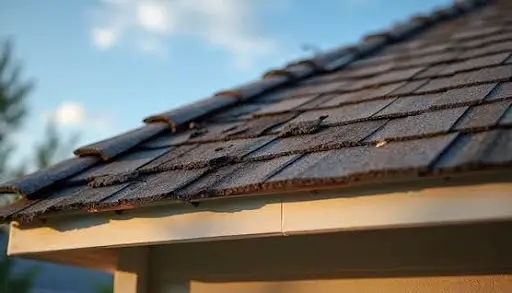
The lifespan of your roof shingles depends on their material. A typical roof lasts about 20 years, but this timeline can change a lot.
They are America’s most popular roofing choices. You should plan to replace them after 22 years. Many traditional asphalt roofs start failing after just 14 years. Asphalt shingles typically last 20 years. Metal roofs can serve you 40-70 years, and slate roofs can last over a century with proper care.
Your roof’s age isn’t the only factor that matters. Climate conditions, quality of installation, and proper maintenance all play crucial roles in determining replacement timing. Your roof is a major investment in your home. Timely attention can protect you from water damage and structural problems that can get pricey.
In this piece, you’ll find clear signs that show your roof shingles need replacement. You’ll also learn what makes them wear out early and the right time to replace them based on your roof’s material.
7 Signs It’s Time to Replace Roof Shingles
Your roof shingles send clear warning signs before they cause serious damage. Here are seven indicators that tell you it’s time to think about replacing your roof shingles:
1. Shingles are curling or buckling
Shingles that curl at the edges (cupping) or bulge in the middle (clawing) signal the end of their useful life. This happens as asphalt shingles age and lose their waterproofing oils. The damage makes them weak against moisture and wind.
2. Missing or broken shingles
Your roof needs inspection after severe weather to spot missing or cracked shingles. A few damaged spots can let water seep in and cause leaks. The color of new replacement shingles might not match your weathered roof, which signals the need for a complete replacement.
3. Granules in gutters or downspouts
Aging asphalt shingles lose their protective granules naturally. These small, gritty particles collect in gutters and downspouts, especially after heavy rain. Too much granule loss leaves the asphalt exposed to UV damage that speeds up deterioration.
4. Water leaks or ceiling stains
Stains on your ceiling or walls point to a compromised roof’s waterproofing. Your attic might show early signs of roof failure through moisture or water damage after storms.
5. Flashing is cracked or rusted
The metal flashing around chimneys, vents, and skylights needs regular checks. Cracked, rusted, or loose flashing creates weak spots where water sneaks under your shingles and into your home.
6. Daylight visible through attic boards
A daytime visit to your attic reveals potential problems. Sunlight coming through the roof boards means moisture and cold air can get in, too. These gaps usually mean advanced deterioration that needs immediate attention.
7. Roof is sagging or covered in moss
A sagging roofline points to structural problems, often from long-term water damage. On top of that, it’s bad news when moss or algae growth becomes too extensive to clean, as trapped moisture breaks down your shingles.
Multiple warning signs mean you should ask a professional to inspect your roof. They can tell if simple repairs will work or if you need a complete replacement.
What Causes Shingles to Wear Out Early?
Your roof shingles can wear out way too early, even if you buy the best quality ones. Let me explain what makes some roofs need replacement before their time.
Poor installation practices
Bad installation is the number one reason why shingles fail early. Contractors who take shortcuts put your roof at risk right from the start. Nails placed too high or hammered incorrectly make your shingles less wind-resistant. Shingles that don’t line up properly create gaps where water can seep in and cause leaks and rot. Poor flashing work around chimneys and vents also creates weak spots where moisture gets in. Studies show that shoddy work can cut your roof’s life by 10-20%, and in some cases, this is a big deal as it means that the reduction can hit 50%.
Extreme weather and climate conditions
The climate in your area plays a huge role in how often you’ll need new shingles. Hot weather dries out shingles, makes them crack, and strips away their protective granules. Shingles become weak and brittle in places where temperatures go above 100°F. Cold regions have their own problems – water gets into tiny cracks and expands when it freezes, which keeps making the damage worse. High winds – especially those over 60 mph – can lift shingles or rip them right off. These weather conditions age your roof faster, no matter how good your shingles are.
Lack of regular maintenance
Roofs that nobody looks after will fail early. Small problems turn into big headaches without regular checkups. Tiny leaks get bigger, loose shingles fall off, and minor damage leads to structural issues. A roof that gets proper care can last its full lifetime or longer, but neglected ones need replacement years too soon. Simple things like clearing debris, getting rid of moss, and fixing small problems quickly can make your roof last much longer.
Improper attic ventilation
Here’s something you might not know – what’s happening under your roof can affect your shingles’ lifespan. Poor attic ventilation keeps heat and moisture trapped, which ages shingles from below. Research shows that bad ventilation or no ventilation at all cuts shingle life by 24%. You’ll see signs like heavy granule loss, blistering, curling edges, and brittle, cracking shingles. Good ventilation keeps air moving, controls temperature, and stops moisture buildup – all key factors in making your roof shingles last longer.
How Often Should You Replace Your Roof Shingles?
Your roof shingles’ replacement schedule depends on the type of material you have installed. Different roofing systems can last anywhere from a few decades to over a century.
Typical replacement timelines by material
The materials used in your roof determine how long it will last. Here’s what you can expect: Asphalt shingles are America’s most popular choice and last 15-30 years
· 3-tab asphalt shingles: 20-25 years (realistically 20 years)
· Architectural asphalt shingles: 30 years (realistically 25 years)
· Luxury asphalt shingles: 30+ years
· Metal roofing: 30-50 years (standing seam)
· Wood shingles/shakes: 20-30 years
· Composite/synthetic: 40-50 years
· Slate: 50-150 years (this could be the last roof you’ll ever need)
How to check your roof’s age
Start by checking permit records at your local building department. These documents show the exact installation date. You can also look through your home purchase documents or inspection reports. Previous owners or the installation company might have records you can access. A professional roofer can estimate your roof’s age by examining its condition if you can’t find any paperwork.
When repairs won’t cut it anymore
Start planning for a replacement when your roof hits 80-85% of its expected lifespan. A new roof makes more financial sense if repair costs are close to replacement costs. Multiple leaks in different spots or widespread damage mean repairs won’t work long-term. Your roof needs immediate replacement if you see structural problems like sagging or water damage throughout the house.
Best Practices for Roof Inspections and Maintenance
Your best defense against early roof replacement is regular maintenance. Research from the National Roofing Contractors Association (NRCA) shows that proper care can extend your roof’s life by up to 15 years.
When to schedule inspections
Professional roof inspections should happen at least once a year, but twice is ideal – during spring and fall. Spring checks reveal winter damage, while fall inspections prepare your roof for cold weather ahead. You should also get an inspection after severe weather like hailstorms or high winds. Roofs older than 10 years need more frequent checkups.
What to look for during a roof check
Start your inspection indoors by looking for water stains or discoloration on ceilings and walls. The outdoor inspection should focus on damaged or missing shingles, granules collecting in gutters, and compromised flashing around chimneys and vents. Signs of trouble include moss growth, blocked drainage systems, and sagging areas that could point to structural problems.
DIY vs. professional inspections
Homeowners can do simple visual checks, but professional inspectors have specialized knowledge and safety equipment. DIY checks help maintain the roof between professional visits. Most warranties stay valid only with yearly professional inspections.
Seasonal maintenance checklist
Spring: Clear debris from gutters, inspect for winter damage, and check for mold growth. Summer: Look for loose shingles after storms, trim overhanging branches, and ensure proper attic ventilation. Fall: Remove fallen leaves from gutters, inspect flashing and seals, and schedule a professional inspection. Winter: Check for ice dams, remove heavy snow accumulation, and monitor for interior water damage.
Conclusion
Your roof protects against environmental elements, so timing your shingle replacement becomes crucial to protect your home. The right time to replace roof shingles depends on several factors, not just age. Asphalt shingles last 15-30 years, while slate can protect your home for over a century in the best conditions.
Watch out for warning signs like curling shingles, granule loss, and water stains on your ceilings. These signs point to problems that need quick attention. Poor installation, harsh weather, and lack of maintenance can reduce your roof’s lifespan by a lot.
Your roof needs regular checkups to last longer. Schedule professional inspections yearly and get extra checks after bad storms. Taking care of small problems during each season stops them from turning into bigger issues that force you to replace the whole roof.
Replacement makes more financial sense than repairs when your roof reaches 80-85% of its maximum life or shows multiple failure signs. Note that consistent maintenance can add up to 15 years to your roof’s life. This saves thousands in early replacement costs and keeps your home’s structure safe.
Don’t see roof replacement as just another expense. Call it an investment that protects your property, saves energy, and adds value. The right care at the right time helps your roof reach its full lifespan while protecting everything under it.
FAQs
Q1. How can I tell if my roof shingles need replacing?
Look for signs like curling or missing shingles, granules in gutters, water stains on ceilings, or daylight visible through attic boards. If you notice multiple issues, it’s time to consider replacement.
Q2. What is the typical lifespan of a roof?
The lifespan varies by material. Asphalt shingles generally last 15-30 years, metal roofs can last 30-50 years, and slate roofs can last 50-150 years under optimal conditions.
Q3. What factors can cause shingles to wear out prematurely?
Poor installation, extreme weather conditions, lack of regular maintenance, and improper attic ventilation can all contribute to premature shingle wear.
Q4. How often should I have my roof inspected?
Schedule professional roof inspections at least once annually, ideally in spring and fall. Homes with roofs over 10 years old may need more frequent evaluations.
Q5. Is it better to repair or replace an aging roof?
Once your roof reaches 80-85% of its maximum lifespan, replacement often becomes more economical than repairs. If repair costs approach replacement expenses or you have widespread damage, it’s usually best to opt for a new roof.