
Are you curious about metal roofing’s pros and cons? You might be amazed to learn that metal roofs can last 40-80 years or longer. Traditional asphalt shingles need replacement after just 15-20 years.
The lifespan difference is just the beginning of the metal roof’s benefits. These roofs stand strong against extreme weather and winds up to 140 mph. They resist hail damage better and help you save 10-25% on energy costs. On top of that, they’re good for the environment. Most metal roofs contain at least 25% recycled content, and you can recycle them fully. Asphalt shingles fill landfills with over 12 billion square feet of waste each year.
Metal roofing comes with its share of challenges, too. You’ll need to think over some factors before you decide. The high upfront cost, rain noise, and chance of denting might affect your choice. Let’s see if a metal roof makes sense for your home’s future.
Longevity of Metal Roofs
Metal roofs stand out as one of the most durable roofing options homeowners can choose. These roofs last way beyond traditional materials. Let’s get into what makes these roofs such a lasting investment.
What is the longevity of metal roofs?
Metal roofs typically last between 40 and 80 years, depending on the material used. This impressive durability means many homeowners will never need to replace their roof again. The lifespan changes a lot based on the type of metal:
· Steel: Most homes use steel roofing, which lasts about 50 years
· Aluminum: This matches steel’s 50-year lifespan but fights off corrosion better, making it perfect for coastal areas
· Copper: This premium choice can last beyond 70 years
· Zinc: This tough material can last over 100 years with just basic upkeep
The installation method plays a big role, too. Standing seam metal roofs last 50 to 75 years, while screw-down panel metal roofs serve for 20-30 years.
Metal’s natural strength against shrinking, eroding, and cracking helps it handle extreme weather, from heavy snow to hail.
Why longevity matters for homeowners
Metal roofing’s long life brings several big advantages beyond just lasting longer.
Financial benefits make metal roofs a smart choice. Roof replacement costs thousands of dollars – that’s a big expense for most homeowners. Metal roofs need replacement nowhere near as often as other materials. This saves money over time, even with higher upfront costs.
To name just one example, see this comparison: A mid-range steel standing seam roof costs $17,457 once and lasts 60+ years. Three shingle roofs over the same period would cost $26,211 total. That’s $9,000 in savings over six decades.
Metal roofs also need less maintenance than other options. A quick yearly check usually keeps everything working right. This beats asphalt roofing that needs constant repairs, new shingles, and fresh caulking as time goes on.
Property value gets a boost, too. Your home’s value goes up when buyers know they won’t face roof replacement costs for decades.
Peace of mind might be the biggest win. There’s something special about knowing your roof will protect your home for 50 years or more.
How long do metal roofs last compared to shingles
Metal roofs and traditional asphalt shingles have a huge difference in lifespan. Metal roofs last 40-70 years, while regular asphalt shingles need replacement after just 15-20 years.
This is a big deal as it means that metal roofs last 3-6 times longer than regular shingle roofs. Even the best architectural asphalt shingles top out at 30-50 years.
Several things cause this huge gap in longevity:
1. Material breakdown: Asphalt shingles wear out faster because their layers of asphalt and granules break down from weather exposure
2. Weather resistance: Sun, weather changes, and moisture make shingles curl and crack, but metal stays strong
3. Structural strength: Metal panels keep their shape for decades, while asphalt naturally breaks down from age and sun
This difference affects both maintenance needs and how often you’ll need a new roof. Manufacturers back metal roofs with 30-50-year warranties. This shows how much they trust their products.
Metal roofing helps the environment, too. Less frequent replacement means less waste in landfills over time. This hidden benefit of metal roofing’s long life often goes unnoticed.
The core team benefits become crystal clear in places with tough weather. Metal roofs handle severe conditions without breaking down. This makes them perfect for homes dealing with harsh winters, intense heat, or salty coastal air.
Homeowners planning to stay put for many years should think hard about metal roofing. The dramatic difference in lifespan makes it worth serious consideration as a long-term investment.
Durability in Harsh Weather
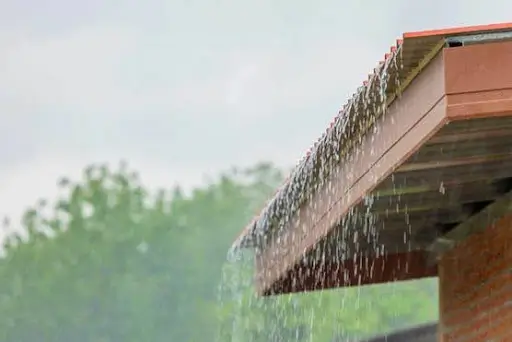
Metal roofing systems don’t just last long – they excel at protecting homes from nature’s worst conditions. Traditional materials can’t match their amazing resilience against hurricanes and hailstorms.
What makes metal roofs durable?
Metal roofing systems are exceptionally durable thanks to several key features. The base materials – steel, aluminum, copper, and zinc – naturally resist wear and tear. Steel roofs stand out with higher hardness ratings that make them tough against physical impact.
The way these panels lock together is a vital durability factor. Unlike regular shingles that can fly off in high winds, metal panels create a solid barrier from top to bottom. This smart design leaves few weak spots where wind might cause damage.
Protective coatings add the final defense layer. Most metal roofs come with:
- Finishes that stop rust and wear
- Coatings that stand up to sun exposure
- Special layers that guard against environmental damage
This layered protection helps metal roofs avoid issues that quickly damage other materials:
- They stay strong even when wet
- Mold and mildew can’t grow on them
- They handle temperature changes without problems
The way manufacturers make these roofs adds to their toughness. Metal roofing systems must pass strict tests to earn a Class 4 impact resistance rating – the best you can get from Underwriters’ Laboratory. This rating shows they can take hits from large hailstones without losing their strength.
Why durability is a key benefit of a metal roof
Metal roofs’ weather resistance brings real advantages to homeowners. You’ll sleep better during storms, knowing your roof will hold strong. This peace of mind means even more if you live where bad weather hits often.
These roofs need less maintenance and fewer repairs over their lifetime. While other roofs might need fixing after every storm, metal roofs stay strong with minimal care. You’ll save time and money you’d normally spend on storm repairs.
Your property gets better protection, too. The roof shields your home’s interior from destructive elements. Metal roofing’s strength means everything under it stays safer – from walls to furniture.
Insurance companies often reward metal roof installations. They know these roofs hold up better, and some offer lower premiums for homes with properly installed metal roofs.
Best of all, you can count on long-term performance. FEMA specifically suggests metal roofs for hurricane-prone areas. This recommendation shows how well these roofs perform in tough conditions.
How metal roofs perform in extreme climates
Metal roofs handle all kinds of weather challenges amazingly well. A properly installed metal roof can stand up to 140 mph winds – as strong as a Category 4 hurricane. They resist wind so well because they have fewer separate pieces and strong fasteners.
Rain runs right off the metal’s slick surface, which stops leaks and structural damage. This feature really helps during heavy storms when other roofs might let water seep through loose spots.
Hail resistance gives these roofs a big advantage in storm-prone areas. Quality metal roofs with Class 4 impact resistance can take hits from 2-inch hailstones without failing. Bad hail might leave dents, but the roof keeps doing its job.
Snow slides off the smooth surface naturally. For snowy regions, you can add special systems that control how snow comes off, which prevents sudden avalanches that could damage things below.
Fire safety is another big plus. These roofs earn a Class A fire rating – the highest possible. They won’t burn and can stop flying embers during wildfires. This makes them really valuable in areas where fires happen often.
Metal roofs also handle big temperature swings well. They can expand and shrink without breaking down as seasons change. In hot places, special coatings reflect sunlight and help cut energy costs.
Metal roofing works great in just about any extreme weather. Whatever your local weather throws at it, metal roofing protects better than traditional materials.
Energy Efficiency and Cost Savings
Energy Efficiency and Cost Savings
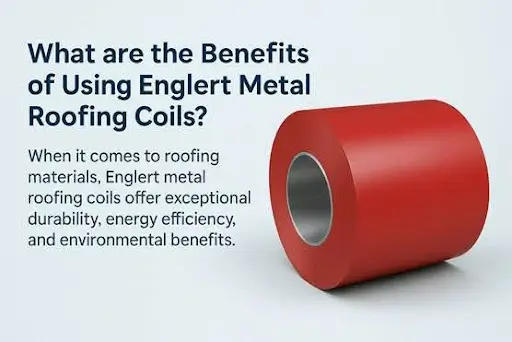
Metal roofing’s energy efficiency features make it an appealing choice as utility bills keep rising. Homeowners who watch their expenses find metal roofs more attractive due to their money-saving potential.
What makes metal roofs energy efficient?
Metal roofs achieve great energy savings through several features that work together:
Superior reflectivity is the main feature that saves energy. Metal roofing bounces solar energy away from your building, unlike traditional asphalt shingles that soak up heat. Quality metal roofs can send back up to 70% of the sun’s energy into the atmosphere. This keeps heat from moving into your attic and living areas.
Thermal emittance plays a vital role, too. It measures how well a roof releases absorbed heat instead of letting it flow into your home. Metal gets very high ratings for thermal emittance because of its unique atomic structure. Your metal roof quickly releases absorbed heat back into the air instead of sending it downward.
Ventilation systems boost these benefits. Most contractors install metal roofs using a batten system that leaves an air gap between the roof surface and the layer below. This gap:
- Let the air flow freely under the metal panels
- Makes a thermal break that reduces heat movement
- Keeps attics from getting too hot
Oak Ridge National Laboratory’s research showed that metal roofs with above-sheathing ventilation cut heat flow into buildings by 45%. Metal roofs placed right on roof decks still worked 30.3% better than regular asphalt shingles.
Cool roof coatings increase these natural benefits. Pre-painted metal roofs use special pigments that boost reflectivity while protecting the metal surface. These coatings keep their reflective properties over time, which means consistent energy savings throughout the roof’s life.
Why energy efficiency matters for your home
Your roof’s efficiency affects more than just your monthly bills. Buildings use about 66% of their energy for heating, cooling, and ventilation. An efficient roof directly cuts this major expense.
Cooling costs take up a big part of the budget for homes in warm areas. Metal roofing can cut these costs by up to 25%, according to studies. These savings become more valuable as energy prices keep going up.
Metal roofs help keep indoor temperatures steady. Your home stays comfortable without constant thermostat adjustments. This creates a better living space.
Lower energy use means your household produces fewer carbon emissions. Your HVAC system works less, which reduces your environmental impact.
Location determines how much you benefit from these features. Metal roofing works best in warm areas by keeping out solar heat. People in cooler places might prefer unpainted metal roofs that absorb more winter heat.
How metal roofs reduce energy bills
Metal roofs save money in several ways that you can measure. Most homeowners save between 10% and 25% on energy each year after getting a metal roof. Some reports show cooling cost savings can reach 40%.
Your HVAC system runs less often because these roofs work better. The U.S. Department of Energy funded a study that proved metal roofs with proper ventilation cut cooling needs by a lot.
Metal roofs offer extra financial perks:
- Insurance companies often give discounts for metal roofs because they last longer and resist fire
- They need less maintenance than traditional roofs
- You won’t need to upgrade attic insulation as much, thanks to better heat control
Installation methods make a big difference in how well the roof works. Putting metal roofing on battens creates an air space that acts like extra insulation. This helps your roof release heat better and keeps your home cooler.
Color choice helps maximize energy savings. Light colors naturally reflect more sunlight, but even dark metal roofs work better than regular asphalt shingles. You can choose colors you like while still getting good performance.
Metal roofs work best with proper insulation. Adding metal roof insulation makes your roofing system resist heat better. Foil bubble insulation works well with metal roofing by creating a barrier that stops heat transfer.
These energy-saving benefits last for decades. Unlike other materials that lose their reflective properties, metal roofing keeps saving energy throughout its life.
Upfront Cost and Affordability
Upfront Cost and Affordability
Metal roofing costs rank among the top concerns for homeowners who want new roofs. Metal roofs give you great value over time, but they cost way more than traditional options at the start.
What is the cost of a metal roof?
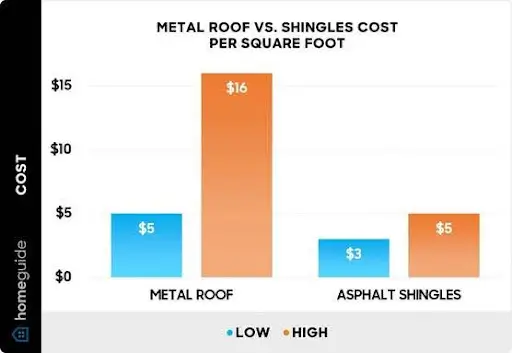
Metal roofing prices change based on material type, style, and installation needs. Metal roofing runs between $4.00 and $30.00 per square foot installed. This range is bigger than what you’d see with traditional materials.
A typical metal roof for a 1,700-square-foot home costs between $10,940 and $16,722. The price can go up a lot based on your metal choice:
- Aluminum roofing: $4.00–$11.00 per square foot, with good rust protection at a lower price
- Steel panels: $6.00–$16.00 per square foot, built to last
- Standing seam metal: $8.00–$14.00 per square foot, with hidden fasteners that keep the weather out better
- Copper roofing: $15.00–$30.00 per square foot, looks amazing, and lasts the longest
Asphalt shingle roofs cost between $1.50 and $4.00 per square foot. This means you’ll pay $2,250–$6,000 for a 1,000-square-foot roof with asphalt, compared to $6,000–$45,000 for metal.
The price gap becomes crystal clear when we look at different roof sizes:
| Roof Size (sq. ft) | Metal Roof Cost | Asphalt Roof Cost |
| 1,000 | $6,000–$45,000 | $2,250–$6,000 |
| 2,000 | $12,000–$90,000 | $4,500–$12,000 |
| 3,000 | $18,000–$135,000 | $6,800–$18,000 |
Asphalt roofs cost anywhere from one-third to one-seventh of what you’d pay for metal roofing, depending on your material choices.
Why metal roofs are more expensive upfront
Metal roofing systems cost more at first for several reasons. The raw materials cost more than asphalt shingles. Steel, aluminum, copper, and other metals just cost more to make than fiberglass, asphalt, and mineral granules in regular shingles.
Metal roof installation needs:
· Special training and expertise
· Exact measurements and cutting
· More time to install
· Extra parts like special trim pieces and hidden fasteners
Labor makes up about 60% of your metal roof’s price—around $7,000 on average. This big labor cost shows how much skill and time a good installation takes.
Manufacturing also affects the price. Standing seam metal panels cost more because they:
· Need special equipment to make
· Take twice as long to produce as exposed fastener panels
· Can’t stack together during shipping, which costs more
· Come with seam sealants and protective films
Your choice of metal roof system makes a big difference in price. Exposed fastener (screw-down) metal roofs cost $4.50 to $6.50 per square foot, which is nowhere near the $12.00 to $16.00 per square foot for standing seam systems. Materials and installation complexity create this difference.
How to review long-term value vs. initial cost
The high upfront cost starts making sense when you look at the big picture. Metal roofs last 40-70 years while asphalt only lasts 15-30 years. You’ll need to replace an asphalt roof 2-3 times during one metal roof’s lifetime.
Over 30 years, multiple asphalt roofs could cost 50% more than a metal roof. After 15 years, metal roofing becomes about 50% cheaper than traditional options. This marks the point where metal starts saving you money.
Metal roofs need less maintenance than asphalt shingles, which often need fixes as they age. Regular asphalt roof repairs cost around $975, while metal roof fixes run about $1,700 but happen much less often.
Insurance companies love metal roofs. Many offer yearly discounts of 5-15% because metal roofs handle weather better and resist fire. These savings add up over time.
Energy savings boost the value even more. Metal roofs can:
· Cut cooling costs by up to 40%
· Lower total energy use by 30.3% with direct-to-deck installation
· Save you money in hot areas where cooling costs eat up your budget
Metal roofs boost your home’s value, too. Houses with metal roofs get back 85-95% of installation costs in added value. This beats many other home improvements and helps balance out the original cost.
Homeowners who plan to stay put for more than 15 years should really think about metal roofing. Your choice comes down to what matters more: saving money now or getting better value over time.
Noise and Denting Concerns
Noise and Denting Concerns
Homeowners often worry about two aspects of metal roofing: rainfall noise and possible denting. Let’s get into these issues and separate facts from myths.
What causes noise in metal roofs?
People believe metal roofs are noisy because of their experience with old barns and industrial building structures. Several elements determine noise levels in metal roofing systems:
The installation method makes a big difference. Metal roofs placed right on open framing without proper decking increase sound. These setups don’t have enough buffer to absorb noise.
Thermal movement creates unexpected sounds. Metal panels that can’t expand and contract with temperature changes might make popping or creaking noises. This happens when roof parts move against others that expand at different rates.
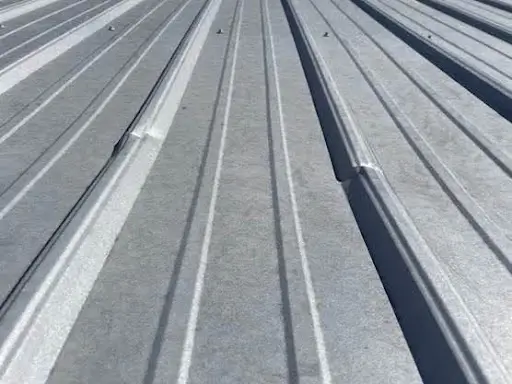
Roof design determines how sound travels. Corrugated metal roofs make more noise because of their grooved design. Standing seam or flat metal roofs are quieter but just as durable.
The metal itself changes how sound moves through it. Metal surfaces are harder and more rigid than other roofing materials, so rain or hail sounds can be louder. On top of that, metal bounces sound back instead of soaking it up.
Why denting is a concern for some materials
Different metal roofing materials handle impacts differently. Aluminum is more likely to dent than steel. Notwithstanding that, today’s metal roofing can take quite a beating.
Regular hailstorms rarely cause much denting in quality metal roofing. You’ll need extreme weather with huge hailstones to cause real damage.
Industry standards help measure impact resistance. The Standard for Impact Resistance of Prepared Roof Covering Materials (UL 2218) uses a scale from Class 1 to 4, where Class 4 offers the best protection against impacts.
Small dents might not hurt how your roof works, but they could damage its protective coating. Damaged spots might let moisture in over time, which could cause some metal types to break down.
How to minimize noise and denting issues
There are many ways to tackle both problems. Here’s how to cut down noise:
· Add proper underlayment – A solid plywood or OSB (oriented strand board) layer under metal panels blocks sound
· Invest in quality insulation – Roof and attic insulation reduces sound and saves energy
· Choose appropriate designs – Standing seam or flat metal roofs are quieter than corrugated ones
· Ensure proper installation – Work with contractors who know sound-dampening methods and how to fasten properly
Here’s how to prevent denting:
· Select impact-resistant panels – Pick metal roofing rated Class 4 UL 2218 to resist impacts best
· Consider panel design – Panels with ribs or striations hide potential hail damage better
· Choose appropriate thickness – Thicker metal panels resist impacts better
· Install protective elements – Snow guards can shield against falling debris
Modern materials and installation methods prove that metal roofs aren’t always noisy or easy to damage. Good planning and quality materials help you enjoy metal roofing’s benefits without the downsides.
Conclusion
The choice between metal roofing and traditional asphalt shingles ends up being a balance of short-term costs versus long-term benefits. Metal roofs beat conventional materials in several key areas. These roofs last three to six times longer than asphalt shingles, so you probably won’t need another replacement in your lifetime. Their excellent weather resistance gives you peace of mind during bad storms and might even qualify you for lower insurance rates.
Metal roofs cost more upfront by a lot, but this difference fades over time. After about 15 years, metal roofs become roughly 50% cheaper than traditional options when you factor in replacements, maintenance, and energy costs. Your energy bills could drop by 10-25% because metal roofs reflect heat and provide better thermal efficiency.
People often ask about noise and denting, but these shouldn’t rule out metal roofing from your options. Quality underlayment and insulation take care of any noise concerns. The right metal thickness and panel designs keep denting risks low.
Metal roofs are a premium choice for homeowners who plan to stay put or value durability, energy savings, and eco-friendly options. The higher upfront cost shouldn’t scare you away. These roofs deliver outstanding performance, need minimal upkeep, and save money in the long run. They’re worth thinking over for your next roofing project. From handling extreme weather to cutting energy costs, metal roofing offers value that goes way beyond the reach of its price tag.
FAQs
Q1. Are metal roofs worth the higher upfront cost?
While metal roofs are more expensive initially, they often prove cost-effective in the long run. With a lifespan of 40-80 years, superior durability, and energy efficiency benefits, metal roofs can save homeowners money over time through reduced maintenance, replacement, and energy costs.
Q2. How noisy are metal roofs during rain or storms?
Modern metal roofs, when properly installed with solid decking and insulation, are not significantly noisier than other roofing materials. The perception of noisy metal roofs often stems from older, poorly installed systems. Proper installation techniques can effectively minimize noise concerns.
Q3. Do metal roofs affect home resale value?
Metal roofs typically increase a home’s resale value. Their longevity, durability, and energy efficiency are attractive selling points. Homes with metal roofing can recoup approximately 85-95% of the installation costs in added property value.
Q4. How well do metal roofs withstand extreme weather?
Metal roofs excel in harsh weather conditions. They can withstand winds up to 140 mph, resist impact from hail (with Class 4 ratings available), and carry a Class A fire rating. This superior weather resistance often leads to insurance premium discounts for homeowners.
Q5. Are metal roofs prone to denting?
While softer metals like aluminum can be more susceptible to denting, many modern metal roofing systems are engineered to be highly resistant to impact damage. Selecting appropriate thickness, panel design, and impact-resistant ratings (such as UL 2218 Class 4) can significantly minimize denting risks.