Corrugated metal roofing costs half as much as standing seam options. That’s a fact!
Corrugated panels remain the cheapest metal roofing choice, with prices matching asphalt shingles. The lower cost comes with a trade-off in durability.
Standing seam metal roofs can serve you well for 30-50 years with proper care. Corrugated metal roofs last 15-30 years.
Both choices excel at energy efficiency. Their reflective properties minimize heat absorption and cut down cooling costs.
The choice between corrugated and standing seam goes beyond just the price tag. Your budget, style priorities, and future plans should shape your decision.
Let me guide you through this crucial roofing decision.
Understanding the Two Roofing Types
Metal roofs are incredibly durable, but you’ll need to understand the basic differences between standing seam and corrugated options before making a choice. These two popular roofing systems are built differently and perform in their own unique ways. Your choice will affect everything from weather protection to the way your roof looks.
What is a standing seam metal roof?
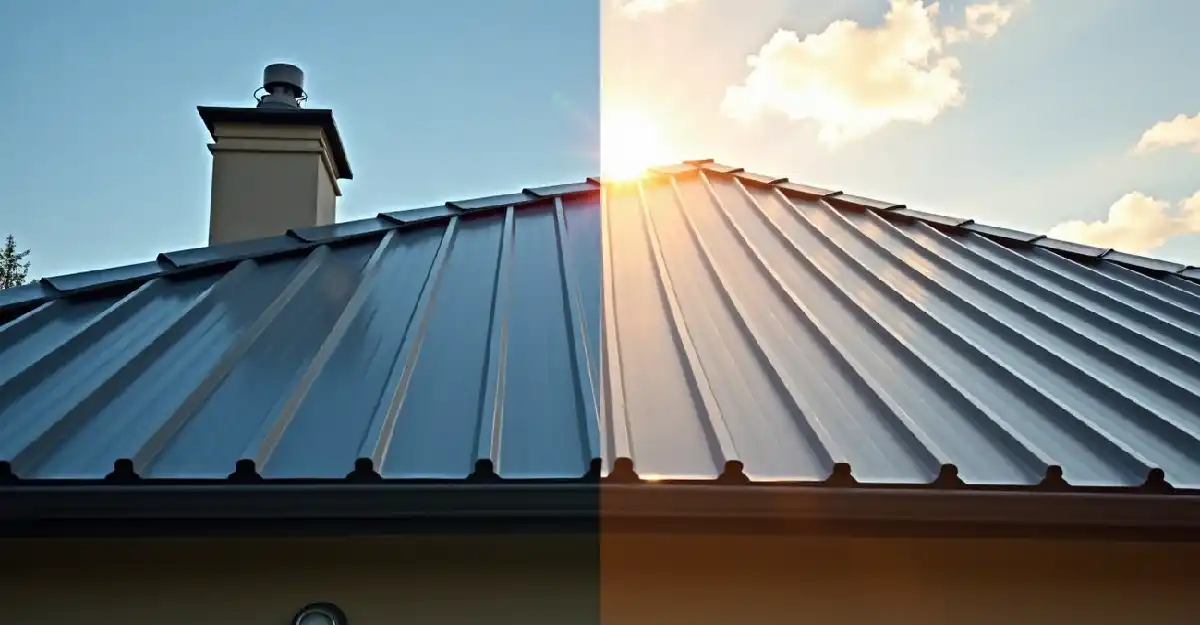
Standing seam metal roofs have raised seams that run vertically along the roof’s length. These seams sit well above the flat surface of the roofing panel. The vertical legs rise about 1-2 inches above the panel surface and create a distinct look.
The system’s most notable feature is its hidden fastener design. The panels connect through concealed clips or fasteners that attach to the roof deck under the vertical leg. This eliminates any exposed screws or nails.
The design creates clean lines without interruption. Panels usually measure between 12-18 inches wide, though 16 inches is standard. You can choose from several profiles like snap-lock, mechanical seam, batten panel, and nail/fastener flange. Each type has its own installation method and performance features.
What is a corrugated metal roof?
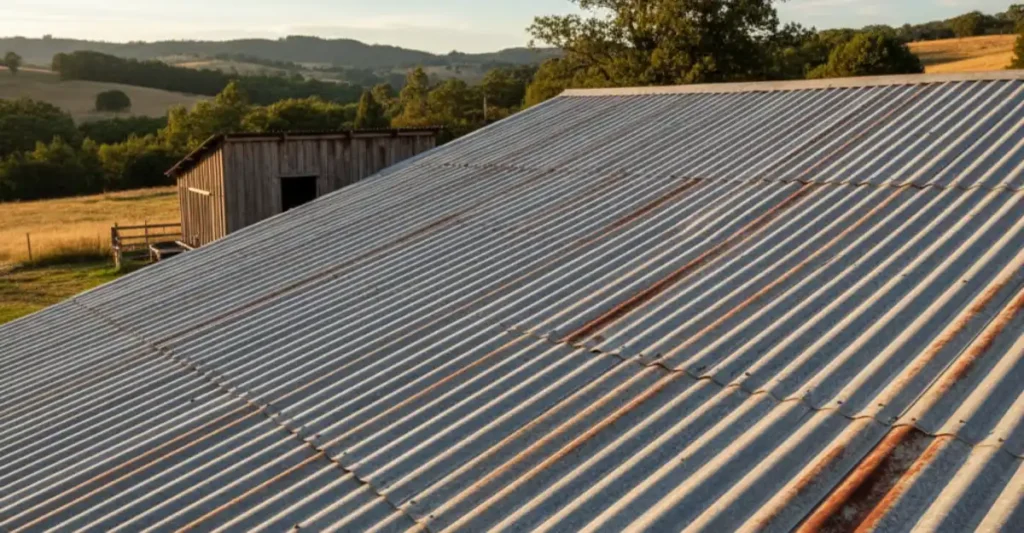
Corrugated metal roofing shows a pattern of alternating ridges and grooves that create a wavy surface. The metal sheets are roll-formed into panels with a distinctive “S” shaped profile.
Unlike standing seam systems, corrugated roofs need exposed fasteners. The panels overlap and attach directly to the roof deck with visible screws or nails. Each panel has a wave profile that repeats about every 15cm with peaks that rise 5cm.
The corrugation makes the metal much stronger. Even thinner materials can handle heavy loads and bad weather. This strength makes corrugated metal last longer, even though it costs less.
How do their structures differ?
The biggest structural difference is in how they’re fastened down. Standing seam hides its fasteners, while corrugated panels show them right through the surface. This key difference affects how well they resist weather and how much maintenance they need.
Standing seam panels are usually thicker (22-24 gage) than corrugated ones. This makes them tougher in severe weather. The standing seam’s floating clip system lets panels expand and contract as temperatures change. This reduces wrinkling, noise, and loose fasteners.
Standing seam panels also look different. They have larger flat areas between raised seams that create a modern appearance. Corrugated panels show continuous waves across their surface, giving them a more traditional, industrial look.
Comparing Performance and Durability
Performance and durability become key factors to consider between standing seam vs corrugated metal roof systems. These options are better than traditional roofing materials, but their structural differences mean they handle weather elements differently over time.
Weather resistance and leak protection
Standing seam metal roofs excel at keeping weather out through their watertight design. The raised seams stay above water flow and prevent moisture from getting in. The concealed fastener system eliminates weak points, which reduces leak risks.
Corrugated metal roofs work well to shed water but have issues with exposed fasteners. Temperature changes can make these fasteners come loose. The sun’s UV rays dry out the gaskets under fasteners, which creates spots where moisture can enter.
Lifespan and maintenance needs
The lifespan between these systems is a big deal as it means:
- Standing seam roofs last 40-70 years with minimal maintenance
- Corrugated metal roofs last 25-45 years
Standing seam systems need very little upkeep. Annual debris removal and professional checks every few years are enough. Corrugated systems need more attention, especially regular checks on fasteners and sealant touch-ups.
Handling snow, wind, and hail
Both roof types handle extreme weather well, but there are key differences:
Snow slides off standing seam’s smooth surface easily, which reduces stress from heavy loads. On top of that, metal roofs support heavy snow loads without getting damaged.
Quality metal roofing stands up to winds reaching 140 mph. Standing seam’s design makes it especially good at this because it has no exposed fasteners that might come loose in high winds.
Both systems resist hail damage well. Standing seam’s thicker panels (24-26 gage) hold up better against hail than corrugated’s thinner material. Metal roofs might get dents during bad hailstorms, but they stay structurally sound.
Cost, Installation, and Energy Efficiency
Many homeowners feel surprised when they learn about the price differences between metal roofing options while researching their next roof investment. Both types give you sustainability benefits, but their costs and what it takes to install them are quite different. Let’s get into these practical details to help you make a smart choice.
| Feature | Corrugated Metal Roof | Standing Seam Metal Roof |
|---|---|---|
| Cost per sq. ft. | $7.00 – $12.00 | $10.00 – $16.00 |
| Initial Investment | Similar to asphalt shingles; lower upfront cost | Higher due to premium materials & complex manufacturing |
| Lifespan | 30 – 45 years (average) | 40 – 70 years |
| Maintenance | May require more upkeep over time | Low maintenance, minimal repairs |
| Installation Cost | Lower; easier, less specialized | About 50% higher; requires professional installation & specialized tools |
| DIY Potential | Possible for skilled DIY homeowners | Not suitable for DIY; professional installation only |
| Energy Efficiency | Reflects solar heat; good with insulation | Better insulation potential due to air pocket design |
| Aesthetic Style | Rustic, traditional, wavy pattern; best for farmhouses, cottages, barns | Sleek, modern, minimalist look; best for coastal, upscale, and contemporary homes |
| Color & Finish Options | Multiple standard colors; finishes vary | 15–20 standard colors, custom choices; premium Kynar 500 finish with 30-year warranty |
| Resale Value Impact | Boosts resale value; attractive to buyers | Higher curb appeal; 48.9% cost recovery (2023 Cost vs. Value Report) |
| Insurance & Value | Improves durability rating | Often favored by insurers; long-term savings in energy and upkeep |
Conclusion
Your specific needs and circumstances will determine the choice between standing seam and corrugated metal roofing. Both options have unique advantages to consider for your next roofing project.
Corrugated metal roofs are a great value for budget-conscious homeowners. Their charming, rustic appearance works well with traditional architectural styles. These roofs deliver impressive durability when compared to conventional roofing materials.
Standing seam systems cost more upfront but offer superior longevity and weather protection. The sleek, modern look enhances contemporary homes. These systems need minimal maintenance throughout their extended lifespan.
You should weigh immediate budget constraints against long-term value. Think about your home’s architectural style, local weather conditions, and how long you plan to stay in your property. The “best” choice varies based on these personal factors.
Both metal roofing options are a major upgrade from traditional materials in terms of durability and energy efficiency. This comparison should help you make the right choice for your home.