Sometimes the smallest piece of a roof does the most work. I learned that the hard way after watching rain sneak under a friend’s shingles during what should’ve been a normal summer storm.
Water has a talent for slipping into places you don’t expect, and homeowners often don’t realize the risk until they spot a stain on the wall or see fascia boards starting to rot. It’s frustrating because it feels preventable if only you knew what to look for in the first place.
That’s exactly why we’re diving into what a drip edge is on a roof and why it matters more than it looks. This guide gives you clear, no-nonsense answers so you can spot problems early and make smarter decisions about your roof.
What Is a Drip Edge?
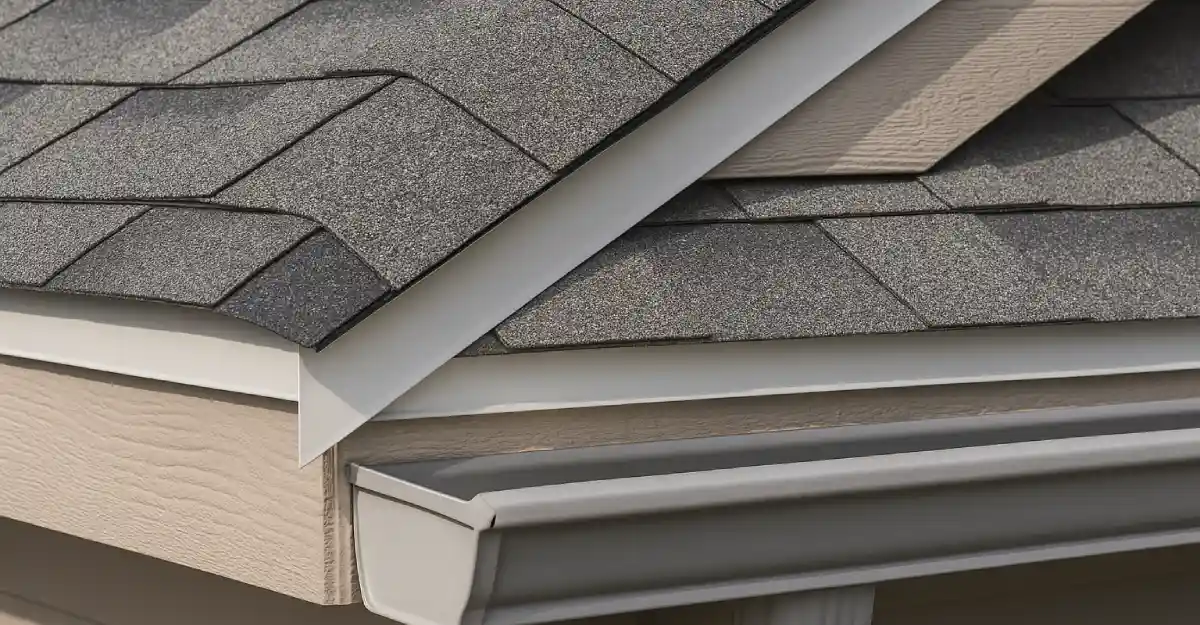
A drip edge is a small metal strip that pushes water off your roof instead of letting it creep under the shingles. It acts like a simple guard that keeps water moving away from trouble.
Most drip edges come in aluminum or galvanized steel. You might see copper on older homes, but not often. The pieces usually bend into an L shape or a kicked-out T shape that helps throw water away from the fascia.
You’ll find the drip edge sitting along the roof’s outer edges. That spot matters because water loves to curl back and soak the wood. When the metal tucks under the shingles and hangs slightly over the decking, it blocks that sneaky runoff. If you replace your roof, make sure the installer gets that placement right. It protects more than you’d think.
Why Your Roof Needs a Drip Edge
A drip edge looks small, but it does real work. It kicks water away from the fascia so it can’t sneak behind the boards. Without it, rain can curl under shingles and hit wood you meant to keep dry.
With a good drip edge, shingles stay drier and last longer. The roof decking sees fewer hidden leaks. Your trim also holds up better because water isn’t soaking it after every storm.
Skip it, and problems show up fast. You may spot peeling paint, soft fascia, or odd gutter overflow. In the worst cases, rot spreads along the roof edge or stains run down your siding. These issues start tiny, but they grow if we ignore them.
Different Types of Drip Edge
Roofers don’t grab one style for every home. Each type has its own shape, strength, and purpose. If you know the basics, you can pick what actually protects your place instead of guessing.
Type C – The Classic Look
- Type C has a simple L-shape. It bends down over the edge of the roof and gives steady, basic protection.
- It works fine in older homes or places with mild weather.
- You’ll see it a lot because it’s easy to install and usually fits most standard fascia boards.
- If you want something straightforward without extra bulk, this one stays reliable.
Type D – The T-Style With a Better Kick-Out
- Type D looks like a small T. The front lip sticks out a bit more, and that extra kick sends water away faster.
- This style helps a ton if heavy rain hits your area often.
- We like it because it guards the fascia better and stops water from curling back under the edge.
- If you’ve seen paint peeling on your trim, this design might solve half your headache.
Type F – The Extended Face for Added Coverage
- Type F has a longer front face. It hangs lower and covers more of the trim below the shingles.
- That added length blocks wind-driven rain that sneaks into weird spots.
- It works great when your old fascia sits unevenly or if you’re adding a drip edge to an older roof that needs extra protection.
- You get a cleaner look, too, since the extended metal hides small imperfections.
Signs Your Home May Need New Drip Edge
Visible rot, staining, or peeling paint
If your fascia shows dark spots or peeling paint, water may be slipping behind the edge. Don’t brush it off; this damage grows fast.
Water behind gutters
If gutters leak from the back, the drip edge might not be guiding water correctly. Check for damp debris and snap a quick photo before calling a pro.
Shingles lifting near the edges
Curled or loose edge shingles often mean the drip edge isn’t supporting them. Run your hand over the area to feel for gaps.
If you spot any of these, act soon. Small fixes now beat major repairs later.
What to Expect During Installation or Replacement
When a roofer installs or replaces a drip edge, the process looks simple from the ground, but a few steps really matter. They’ll start by removing any loose shingles or old metal at the roof’s edge. Then they slide the new drip edge under the first row of shingles and nail it down in a straight, clean line. After that, they tuck the underlayment over the flange so water can’t creep behind it. The work might look quick, but good installers don’t rush those details.
Before anyone climbs a ladder, ask a few things. Confirm the type of drip edge they plan to use and why it fits your roof. Make sure they follow the right layer order, because that part prevents most leaks. Also, check that they’ll replace any damaged wood they uncover. You don’t want hidden rot left behind because someone tried to save ten minutes.
Most drip edge work moves fast. A small section might take under an hour, while a full roof usually fits into the broader replacement schedule. If you’re only swapping the metal, expect a few hours at most. It’s straightforward, but still worth watching, so you know the edges are actually sealed and set right.
Conclusion
A good drip edge keeps water where it should go and saves you from a lot of stress later. It guards the edges of your roof, shields the fascia, and helps your whole system last longer. It’s a small detail, but it pulls more weight than most people realize.
Take a quick look at your roof when you get a minute. You don’t need to climb anything, just glance along the edges and watch how the water runs after a rain. If something feels off, or you’re not sure what you’re seeing, don’t guess.
Reach out to River City Roofing. We’ll check the problem, walk you through what’s happening, and help you choose the right fix. You don’t have to deal with roof issues alone. Just take that one easy step, and we’ll handle the rest.
Comments are closed