
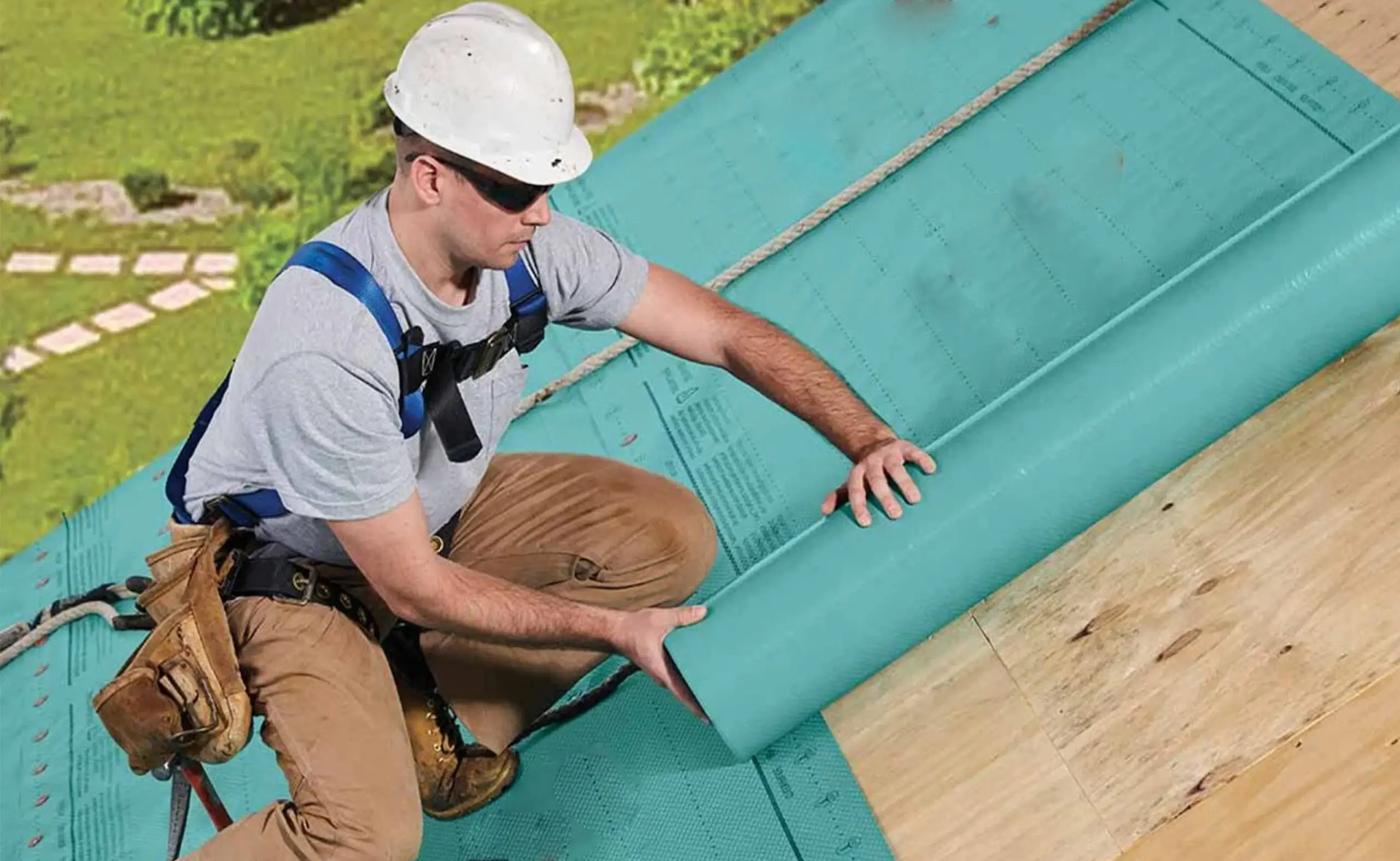
The choice between synthetic roofing underlayment vs felt for your next roofing project can make a big difference to your roof’s durability and performance. Synthetic underlayment uses tough polymers like polyethene and polypropylene that protect better against moisture and weather than traditional felt options. Felt underlayment has been around longer and comes from saturating paper with fibreglass with asphalt. But synthetic alternatives are now the top choice for modern roofing jobs.
These two materials are quite different. To cite an instance, synthetic underlayment weighs nowhere near as much as felt – it’s actually four times lighter. On top of that, it takes just three rolls of synthetic underlayment to cover a typical 2,700 square-foot home, compared to 14 rolls of No.30 felt. Synthetic roof underlayment’s slip-resistant surfaces are a great way to get better safety and walkability. Felt underlayment is still what many contractors know best, but it doesn’t last as long and can tear in high winds.
This piece will help you find everything about roofing felt vs synthetic options. You’ll learn about materials, performance, installation, and costs. By the end, you’ll know exactly which option fits your roofing needs best.
What Is Roofing Underlayment and Why Does It Matter
Roofing underlayment is a vital protective barrier that goes directly onto your roof deck, under your shingles or other roofing materials. It works as your roof’s second line of defence against environmental threats. Your outer roofing material, such as shingles or metal panels, provides the original protection, and underlayment is a significant backup when that primary layer fails.
The protective layer exists in three main forms: asphalt-saturated felt (often called tar paper), rubberised asphalt (self-adhered), and non-bitumen synthetic materials. These types provide different levels of water resistance, durability, and protection against various elements.
Your home’s underlayment does more than just block moisture. It protects against water damage from wind-driven rain or ice dams. The material stops moisture that can cause mould and rot. It also shields your roof during installation or repairs. The underlayment helps your roofing system last longer by protecting the roof deck—usually made of plywood or oriented strand board (OSB)—from moisture damage.
Building codes demand underlayment installation, and with good reason, too. Even top-quality shingles aren’t completely waterproof—they’re water-shedding, which means water can eventually seep through them. So, without proper underlayment, your home risks leaks and structural damage. These repairs can get pricey and are easy to prevent.
Felt vs Synthetic Underlayment: Material and Performance
The basic makeup of these underlayments shows key differences in how they perform. Traditional felt underlayment is made of paper or fibreglass in asphalt. It comes in 15-pound and 30-pound weights, and the heavier version lasts longer. Synthetic underlayment is different – it’s made from tough polymers like polypropylene and polyethene that are engineered to resist water better and install more easily.
These materials differ significantly in how long they last. Synthetic underlayment resists tearing better and stays intact during and after installation. This toughness really matters when workers walk on it and use tools during installation. Felt underlayment tears easily because it’s stiff and less durable.
Water protection sets these materials apart, too. Felt just like wrinkles when it gets wet, which makes it less effective. Synthetic materials push water away instead of soaking it up. This difference is vital to protect your roof long-term, especially in rainy areas.
Tough conditions really show these materials’ true colours. Synthetic underlayment handles UV exposure for months without breaking down, depending on which brand you choose. Felt breaks down faster in UV light, which can make installation timing tricky. Cold weather also affects them differently – felt gets brittle and can crack, while synthetic stays flexible in all temperatures.
Each material has its strengths, but the synthetic underlayment’s physical performance makes it the better choice for most roofing jobs.
Installation, Safety, and Cost Considerations
The efficiency of installation makes a huge difference between roofing underlayment choices. Synthetic underlayment rolls are wider and longer, covering about 1,000 square feet per roll, while felt only covers 200-400 square feet. A typical 2,700-square-foot home needs just three synthetic rolls compared to 14 rolls of No.30 felt. The synthetic underlayment’s weight ranges from 2-4 pounds per roofing square, while traditional felt is much heavier at 15-30 pounds. This significant weight difference reduces structural stress and makes installation less tiring.
Worker safety gets a major boost with synthetic underlayment’s slip-resistant surfaces that work well in both wet and dry conditions. The risk of accidents goes up with felt since it becomes slick and dangerous in wet conditions.
Felt underlayment seems cheaper at first glance. You can get a 15-pound roll that covers 400-440 square feet for $20-$30, while synthetic underlayment costs $150-$175 per roll. All the same, synthetic options come with warranties up to 30 years, which shows how confident manufacturers are in their product’s durability.
The total project cost tells a different story. Felt installation takes longer, which can eat into any money saved upfront. It also helps to know that many roofing manufacturers won’t honour their warranties if felt underlayment is used. This makes synthetic options worth the extra upfront cost.
Comparison Table
| Characteristic | Synthetic Underlayment | Felt Underlayment |
| Material Composition | Made from polymers polyethene and polypropylene) | Paper or fibreglass saturated with asphalt |
| Coverage per Roll | ~1,000 square feet | 200-400 square feet |
| Weight | 2-4 pounds per roofing square | 15-30 pounds per roofing square |
| Rolls Needed (2,700 sq ft home) | 3 rolls | 14 rolls (No.30 felt) |
| Tear Resistance | Excellent durability against tears | Tears easily, less durable |
| Water Resistance | Keeps water out effectively | Wrinkles with water exposure |
| UV Exposure Resistance | Lasts several months | Breaks down faster |
| Temperature Performance | Stays flexible at different temperatures | Becomes brittle and cracks in cold weather |
| Safety Features | Grip surface prevents slips | Gets slippery when wet |
| Cost per Roll | $150-$175 | $20-$30 (15-pound roll) |
| Warranty | Up to 30 years | Little to no warranty coverage |
Conclusion
The choice between synthetic and felt roofing underlayment boils down to balancing performance needs against budget constraints. Synthetic underlayment performs better than traditional felt options in most key areas. These materials weigh four times less than felt alternatives and offer better tear resistance, water protection, and durability in all weather conditions. On top of that, synthetic options keep workers safer during installation with slip-resistant surfaces.
Felt underlayment’s lower upfront cost looks attractive at first glance, but this advantage fades quickly. You’ll need more rolls, spend more time on labour, deal with poor wet-weather performance, and get limited warranty coverage – all of which can make felt more expensive over time. Many roofing manufacturers have also started to limit their warranty coverage when contractors use felt instead of synthetic materials. Get ahead of problems before they grow. Book your roof check-up with River City Roofing now
Comments are closed