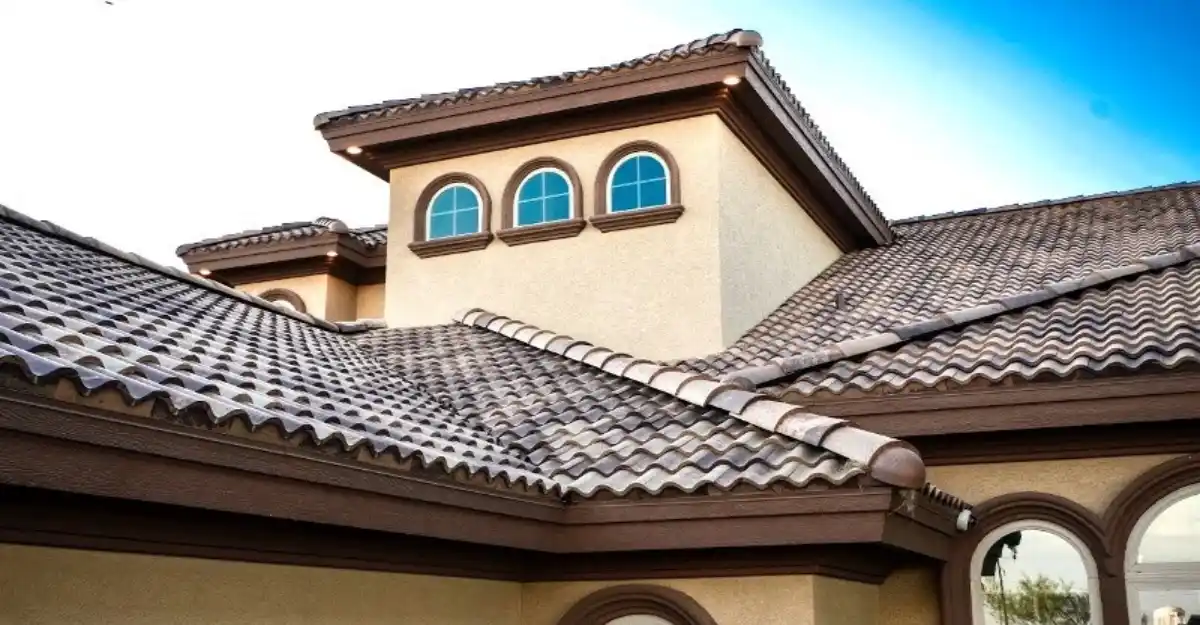
Lifespan is a vital factor in deciding between asphalt shingles and tile roof systems. Tile roofs showcase impressive durability, lasting 25-100 years based on the material. Some slate options can even last beyond a century. Asphalt shingles need replacement much sooner, typically lasting just 15-30 years.
The difference in longevity makes a huge impact on homeowners’ long-term investments. The National Association of Home Builders reports that homeowners will need to replace an asphalt shingle roof 3.75 more times than a concrete tile roof over 75 years. This big gap in durability between tile and shingle roofs explains why many homeowners look past the higher upfront costs. A 1,500-square-foot shingle roof costs $4,200-$7,900, while tile roofs range from $15,000-$35,000 for identical coverage.
This piece breaks down everything about roof tiles versus shingles. You’ll learn the simple materials, maintenance needs, installation details, and long-term value to help you pick the right roofing option that matches your home’s needs, local climate, and budget constraints.
Material Basics: What Are Asphalt Shingles and Tile Roofs?
The dramatic lifespan differences between asphalt shingles and tile roof systems stem from their basic materials. These materials shape how the roof looks and performs when exposed to weather for decades.
Asphalt Shingles: Composition and Types
Asphalt shingles have three main parts: a fiberglass base mat that adds strength, asphalt coating for waterproofing, and ceramic granules on top that block UV rays and add color. Manufacturers add mineral stabilizers to make them more fire-resistant and durable.
The market features three main types:
- 3-Tab Shingles: A simple, single-layer option with a flat look that costs less
- Dimensional (Architectural) Shingles: These heavier, multi-layered options look like wood shake or slate
- Luxury/Designer Shingles: Premium products with multiple layers that look most like real wood shake or quarried slate
Tile Roofs: Clay, Concrete, and Slate Options
Tile roofs are made from natural or manufactured materials that last much longer than asphalt:
Clay Tiles come from natural clay, heated to 1300°C to create tiles that keep their reddish-orange color for decades. These tiles last 50-100 years but break easily and weigh a lot – between 788-1780 pounds per 100 square feet.
Concrete Tiles combine sand, cement, and water to create a tough but cheaper option than clay. They last 35-50 years. Though lighter than clay, they need extra support in the roof structure.
Slate Tiles are natural metamorphic rock with unique longevity that lasts over 100 years. You can find them in purple, green, black, and gray natural colors.
Visual Appeal and Color Retention Over Time
Asphalt shingles come in many colors but fade and discolor more quickly. Cheaper products lose their protective granules faster when exposed to weather.
Tile roofs keep their looks much longer. Clay tiles resist fading and peeling better than regular shingles. Slate looks timeless and barely changes color over decades. Concrete tiles fade more than clay or slate but still look better than asphalt over time.
Each material offers different esthetic options. Asphalt shingles can look like expensive materials for less money. Tile roofs add depth through curves, tapered edges, and profiles that shingles can’t match.
Durability and Maintenance Needs
Asphalt shingles and tile roofs show their biggest differences in how long they last and what they need to stay in good shape. You just need regular inspections whatever type of roof you choose, but the long-term care requirements differ significantly.
Expected Lifespan: 20 Years vs 100 Years
Simple asphalt shingles last 15-20 years. Architectural versions can stretch to about 30 years. Tough weather and constant exposure to extreme conditions make them wear out faster.
Tile roofs stand out with their impressive durability. Clay tiles usually last 50-100 years. Concrete options stay strong for 50+ years. Slate tiles lead the pack and can last beyond 100 years with good care. This huge lifespan difference makes many homeowners see tile roofs as lifetime investments.
Common Issues: Cracking, Curling, and Mold
Asphalt shingles face several ongoing challenges. Trapped moisture creates swelling and bumps, leading to blistering. Temperature changes make edges curl up, which hurts water resistance. The roof also loses granules over time, which lets UV rays damage the materials underneath.
Tile roofs mostly deal with cracks from things like fallen branches. Clay and concrete tiles resist rot, insects, and harsh weather better than their asphalt counterparts.
Maintenance Frequency and Cost
Annual inspections help both roofing systems stay healthy. Shingles just need more regular care – you should clear moss, algae, and debris every 1-2 years to avoid early decay.
Tile roofs stay low-maintenance beyond the occasional cleaning. Their dense structure naturally fights off mold, mildew, and moisture problems.
Repair Complexity: Replacing Shingles vs Tiles
Fixing damaged shingles stays pretty straightforward and budget-friendly. You can replace individual asphalt shingles without touching the surrounding ones.
Tile repairs call for expert knowledge and precise work. Technicians must switch out tiles carefully to protect neighboring pieces. Each repair costs more than fixing shingles, but you won’t need repairs as often throughout the roof’s life.
Installation and Structural Impact
The installation process is another reason why homeowners carefully weigh their choice between asphalt shingles and tile roofs. This decision impacts everything from structural needs to project timelines.
Installation Process: Simplicity vs Complexity
Asphalt shingle installation follows a simple approach. Roofers remove existing roofing, inspect the deck, apply underlayment, and place overlapping shingles. Most roofing teams can complete this process quickly using standard techniques.
Tile roofing just needs specialized installers who employ more complex techniques. Traditional S-shaped clay and concrete tiles require precise placement, and workers often cement them into position.
Weight Load: Can Your Roof Handle Tile?
The weight difference between these options creates major structural concerns. Tile roofing materials weigh 600–1,100 pounds per square (100 sq. ft.), while asphalt weighs 200-400 pounds. Your home might need reinforcement with extra roof rafters or stronger support beams to safely carry this additional load.
Time and Labor Costs: What to Expect
Project duration varies between these options substantially. Roofers complete asphalt projects in 1-3 days. Tile installations take much longer – usually 3-5 days for average homes. Homes with complex rooflines and multiple hips and valleys need even more time.
Underlayment and Flashing Differences
Your roof’s underlayment serves as its true waterproofing system. Asphalt systems employ synthetic underlayment with plastic starter strips. Tile installations need heavy-duty underlayment that’s designed for tile weight and special metal flashing.
Cost and Energy Efficiency Comparison
Choosing between asphalt shingles and tile roofs involves more than just comparing their original costs. Your decision should factor in both immediate expenses and future energy savings.
Upfront Cost Breakdown by Roof Size
These materials come with vastly different price tags. Asphalt shingles are the budget-friendly option at $3.00-$7.00 per square foot installed. A standard 1,500 square foot roof would cost you $4,200-$7,900 total.
Tile roofing costs more at $10.00-$20.00 per square foot installed. The same 1,500 square foot roof would run $15,000-$35,000. Larger homes need bigger budgets – a 2,000 square foot tile roof might cost over $60,000.
Energy Efficiency: Tile’s Natural Insulation
Tile roofs excel at temperature control through their natural properties. Clay and concrete tiles work as heat sponges during daytime and release warmth slowly at night. The installation design lets air flow beneath the tiles and cuts heat transfer to your attic by up to 70% compared to asphalt shingles.
Long-Term Savings on Utility Bills
Your energy bills will show the difference tile roofs make. Homeowners can save up to 20% on energy costs with tile roofing. Asphalt shingles need replacement about 3.75 times more often over 75 years. This is a big deal as it means that tile roofs offer better value despite their higher upfront cost.
Asphalt Shingles vs Tile Roof Comparison
| Feature | Asphalt Shingles | Tile Roof |
| Lifespan | 15-30 years | 25-100+ years (varies by material type) |
| Cost per 1,500 sq ft | $4,200-$7,900 | $15,000-$35,000 |
| Cost per sq ft | $3.00-$7.00 | $10.00-$20.00 |
| Weight (per 100 sq ft) | 200-400 pounds | 600-1,100 pounds |
| Types Available | – 3-Tab Shingles – Dimensional Shingles – Luxury/Designer Shingles | – Clay Tiles – Concrete Tiles – Slate Tiles |
| Installation Time | 1-3 days | 3-5 days |
| Common Issues | – Blistering – Curling edges – Granule loss – Moss/algae growth | – Occasional cracking from impacts – Minimal rot/insect damage |
| Maintenance Needs | Every 1-2 years | Minimal, occasional cleaning |
| Energy Efficiency | Standard | Up to 70% less heat transfer Can reduce energy costs by 20% |
| Color Retention | Color fades and discolors | Excellent, minimal color change |
| Structural Requirements | Standard | Additional structural support might be needed |
| Repair Complexity | Simple repairs with easy shingle replacement | Complex repairs that need expert knowledge |
Comments are closed