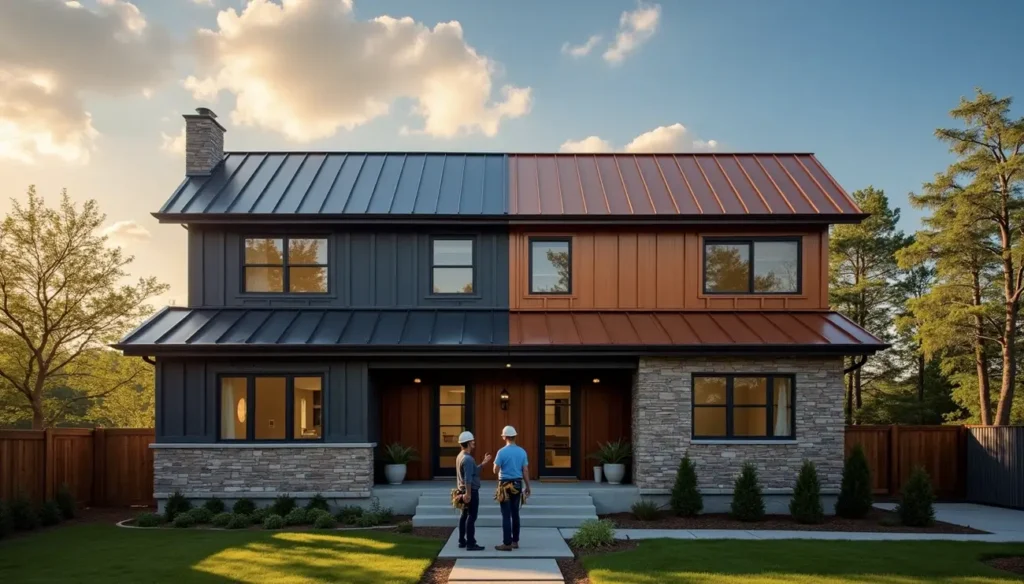
Best Metal Roof for Residential Homes? Selecting a metal roof for your home can be indeed a daunting task, especially given the host of varieties available in the market today. Of all the options for a roof however, metal roofing is gaining popularity because it has advantages of durability, energy efficiency, and longevity compared with the traditional asphalt shingles. But whether you are going for the clean and contemporary looks of standing seam panels or the more budget-friendly appeal of an exposed fastener system, one really needs to know what suits his/her home style, climate, and most importantly, budget. River City Roofing carries years of expert experience and workmanship to render consultation and installation of quality metal roofing systems designed around your needs.
Understanding metal roof systems: The two main types

Image Source: Chase Roofing
Metal roofs can be divided into two broad system types for residential buildings, each characterized by its unique performance, cost, or aesthetics. Know the differences among each before spending on the roofs.
Standing seam: Hidden fasteners and sleek design
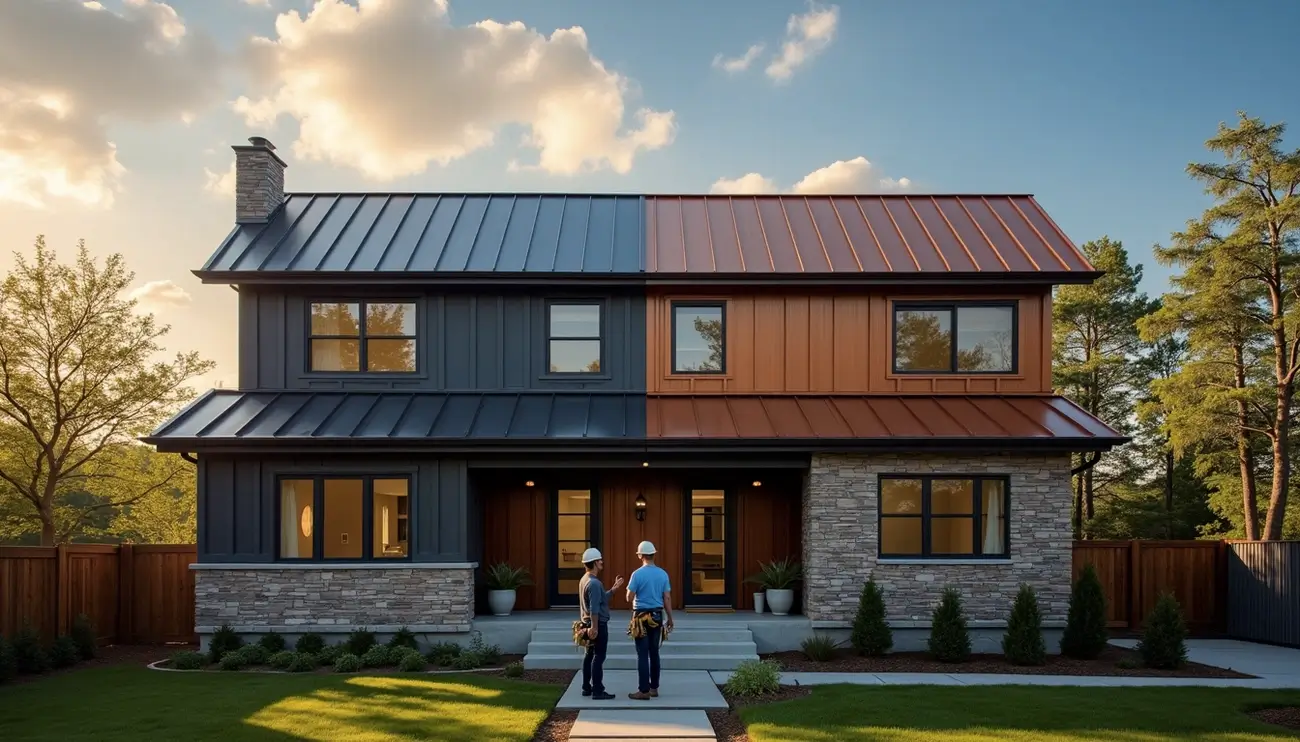
Underneath surface mounted, sleek design just works best with standing seam: The all-out standing seam installed on the house. This roof system vertical panel hid fasteners and raised seams from the ridgeline to gutters. Thus, fasteners remain out of reach from exposure to damaging effects of UV rays, moisture, and nearly everything else that makes a fastener fail, saving the owner from continued embarrassment.
Standing seam roofs are adored by homeowners especially in modern houses for their crisp and clean appearance. These roofs are made to last for more than 50 years, but they need very little maintenance. Constructed properly, a standing seam roof can survive wind velocity of more than 140 mph and can save up to 10 to 25 percent of cooling costs through its energy-smart design.
The standing seam category has two main types:
- Snap-lock profiles: These panels have special edges that snap together without mechanical seaming. They work great for roofs with pitches of 3/12 and above
- Mechanically seamed panels: These need a hand or mechanical seamer to bend and lock panels. They’re perfect for lower-slope roofs that need extra protection from weather
Exposed fastener: Simpler and more affordable
Exposed fastener metal roofing, also known as screw-down panels, gives you a budget-friendly option. This system attaches panels straight to the roof deck with screws that go through the metal, leaving the screw heads visible.
The biggest advantage is cost – you’ll pay about half what you would for standing seam. Several factors make these roofs cheaper: the panels are wider (up to 36 inches), need fewer extras, and use thinner metal (usually 29 to 26-gage). The simple installation process makes these roofs available to more contractors and works well for DIY projects.
These roofs do have some downsides. They last about 20-30 years, which is nowhere near as long as standing seam systems. On top of that, exposed screws might leak and need regular checks to make sure they haven’t come loose.
Where each system works best
Each metal roofing system has its sweet spot. Standing seam excels in:
- Modern homes that need a premium look
- Low-slope applications (as low as 0.5/12 pitch for mechanically seamed panels)
- Places with tough weather
- Projects where long-term value matters more than original cost
Exposed fastener systems shine in:
- Projects with tight budgets
- Farm buildings and outbuildings
- Roofs with at least a 3/12 pitch
- Jobs where quick installation matters
- Buildings where an industrial look fits the style
Your budget, style priorities, and what you expect from your roof in the long run will help you pick the right metal roofing system.
Popular metal roof styles and their pros and cons
Image Source: DECRA Metal Roofing
Metal roof systems come in several styles beyond the two main types, each bringing unique benefits to residential homes. These options balance looks, performance, and costs differently.
Corrugated panels
Homeowners often choose corrugated metal roofing because of its distinctive wavy pattern. The price makes it attractive – it costs about half as much as standing seam options. The corrugated shape adds strength to aluminum sheets, which creates a tough roof even with thinner material.
Pros: The rippled design helps hide oil canning (waviness in flat areas) that shows up on other panels. You need fewer accessories and basic skills to install it, which makes it perfect for DIY projects and cuts down on labor costs.
Cons: Water can build up on lower-slope roofs because exposed fasteners might leak. The roof needs yearly checks to spot loose fasteners caused by metal expanding and contracting naturally.
Stone-coated metal
Stone-coated metal roofs start as steel sheets rolled into panels with stone granules on top. This creates a look similar to asphalt shingles, clay tiles, or wood shakes while keeping metal’s advantages.
Pros: These roofs handle wind speeds of 120-170 mph during tests. Stone granules work as sound cushions, so you won’t need extra soundproofing like other metal roofs. Most companies back their stone-coated products with lifetime warranties.
Cons: The biggest problem is cost – it runs about twice the price of standard shingle roofs ($800-$1,200 per 100 square feet compared to $300-$500).
Metal shingles
Metal shingles give you traditional roofing looks with metal’s benefits. Homeowners can get classic style without giving up durability.
Pros: The light weight makes them work well on buildings of all types without adding too much weight. They come in many colors and textures that match different architectural styles.
Cons: Strong winds and hail can damage them more easily than other metal options.
Snap-lock vs mechanical seam
These popular standing seam options serve different purposes.
Pros of snap-lock: Installation is easier and doesn’t need special tools, which saves on labor. Works well on roof pitches of 3:12 and steeper.
Pros of mechanical seam: Weather protection is better, especially with double-locking (180-degree folds). It is applicable for low-sloped roofs (down to a pitch of 1:12).
Then, based on climate, budget, and stylistic priorities, choose the best metal roofing style for your home.
Comparing metal roofing materials: Which one fits your needs?
Your material choice for metal roofing will affect how long your roof lasts; how it will be maintained over the years; and what value you’ll pay to get it. Each metal has inherent benefits and may be the one for your house .
Steel vs aluminum
Steel is the strongest and cheapest among residential metal roofing materials. Steel weighs about 1.5 to 2.0 pounds per square foot and gives an excellent structural strength but needs protective coatings to stop rust. Aluminum, on the other hand, weighs just 0.5 to 0.75 pounds per square foot that puts less stress on your home’s structure.
It would cost you 20 to 35 percent more than steel, but it does not need extra treatments to make it corrosion-resistant more than aluminum.
This makes it valuable especially when you have coastal homes where salt spray would damage steel quickly. Steel works better in areas with hail or falling debris since aluminum’s softer nature means it can dent more easily.
Copper vs zinc
Copper and zinc have been among the most applauded materials for premium homes. A copper roof survives 100+ years with beautiful blue-green patina development as it mats away with age. Zinc roofs survive for about 60-100 years although a few rare specimens drifted over 150 years in very rare conditions.
These premium materials come with higher prices. Copper costs $600-$1100 per square (100 square feet) while zinc runs between $650-$1100 per square. Zinc has a unique advantage – small scratches fix themselves as the protective patina forms. Copper creates a stunning visual element that boosts your home’s curb appeal and value.
Galvalume and stainless steel options
Galvalume, introduced in the 1970s, is reputed to offer the very best properties of steel and aluminum. This coated steel product (55% aluminum, 43.4% zinc, 1.6% silicon) is 2-4 times better corrosion resistance than galvanized steel. A well-installed Galvalume roof can last about 60 years, making it a solid mid-range choice for homes.
Stainless steel contains at least 10.5% chromium and stands out as another premium option that’s permanent and plays well with most metals. It costs about the same as copper and zinc at $500-$1300 per square but handles extreme conditions exceptionally well. It’s 4 times stronger than aluminum and its low heat conductivity helps with insulation.
Your location should be the main factor in choosing materials. Coastal homes need aluminum or stainless steel to handle salt spray. Homes in harsh weather areas might do better with steel or Galvalume for better impact resistance. Look at your budget and how long you plan to own your home to find the best metal roofing option.
What most builders don’t tell you about installation and maintenance
Contractors often skip mentioning details that can greatly affect how happy you’ll be with your residential metal roofing in the long run. You should know these important facts about installation and maintenance requirements before making your final choice.
Thermal expansion and fastener fatigue
Temperature changes make metal roofing materials expand and contract quite a bit. A typical 16-foot steel panel moves almost 1/4 inch between extreme temperatures. This movement puts stress on fasteners, especially in exposed fastener systems where screws go right through the panels. The fasteners become loose over time and create oval-shaped holes. These holes let water seep in and eventually need replacement.
Standing seam systems solve this problem with clip attachments. These clips let panels move independently without compromising weather protection. Every metal roof needs proper installation with specialized fasteners that have integrated EPDM washers to keep water out.
Paint warranties and finish types
Your metal roof’s paint finish usually comes with a warranty separate from the material warranty. Most manufacturers give 30-year finish warranties. These warranties only cover chalk and fade ratings—not early peeling or cracking. The standard PVDF (Kynar 500) paint system works better than polyester and silicone-modified polyester (SMP) finishes. It keeps its color about three times longer.
Homes near the coast need premium finishes with better corrosion resistance—it’s not just an option, it’s necessary. Make sure to get sample warranties and check the exclusions carefully before you commit.
Common mistakes during installation
About 90% of metal roof failures happen because of poor installation. Here are the most serious mistakes:
- Using metals that don’t work together and speed up galvanic corrosion
- Not installing underlayment properly, especially around openings
- Poor ventilation that traps moisture under the metal
- Wrong panel alignment that causes drainage issues
Your best protection against these expensive problems is making sure your contractor has worked specifically with your chosen metal roofing system—not just general roofing experience.
Conclusion
Making the right metal roofing decision for your home
Install proper metal roofing for durability, including protection from weather and energy savings. Metal roofing can be expensive at first, but nothing else comes close in value over decades. Choosing the appropriate kind of system-premium standing seam or economically exposed fastener-and the best material depends on your home’s site, potential design, and long-term plans. Installation is the most important. Trust River City Roofing to deliver its expert work in metal roofing such that you will enjoy its durability and peace of mind making your home safer and beautiful for many years to come.
FAQs
Q1. How long do metal roofs last?
Metal roofs are considered to be among the most durable roofing systems. Standing seam roofs typically last over 50 years, while copper and zinc may last more than a century or two with periodic maintenance.
Q2. If they are more expensive to install and maintain, how do metal roofs compare to traditional building materials?
Yes, they are generally about 2 to 3 times more expensive than conventional materials such as asphalt roofs. Hence, their long life and durability tend to be the most cost-effective solution in the long run.
Q3. Which are the major kinds of metal roofing systems?
There are two forms of metal roofing systems: standing seam and exposed fasteners. The standing seams present sleekness while concealing fasteners; exposed fastener systems are relatively economical options which require reduced maintenance.
Q4. How do metal roofs endure extreme weather?
Metal roofs are very weather resistant and can resist wind gusts of around 140 mph as well as not be readily damaged by hail or debris falling on them compared with roofing acts.
Q5. How difficult is maintaining a metal roof?
In general, metal roofs require very little maintenance. On the contrary, it is good to inspect them now and then for loose fasteners in particular to exposed fastener systems. Meanwhile, standing seam systems require less maintenance since they have hidden fasteners.