Choosing the best roofing material for your flat roof is a crucial decision that impacts your building’s durability, energy efficiency, and maintenance costs. In 2025, flat roofing options range from budget-friendly modified bitumen to long-lasting metal roofs, each suited for different climates and building needs. To ensure a quality installation and maximize your roof’s lifespan, partnering with trusted experts like River City Roofing can make all the difference. Their certified professionals specialize in selecting and installing the ideal roofing system tailored to your unique situation, delivering reliable protection for years to come.
What Most People Get Wrong About Flat Roofs
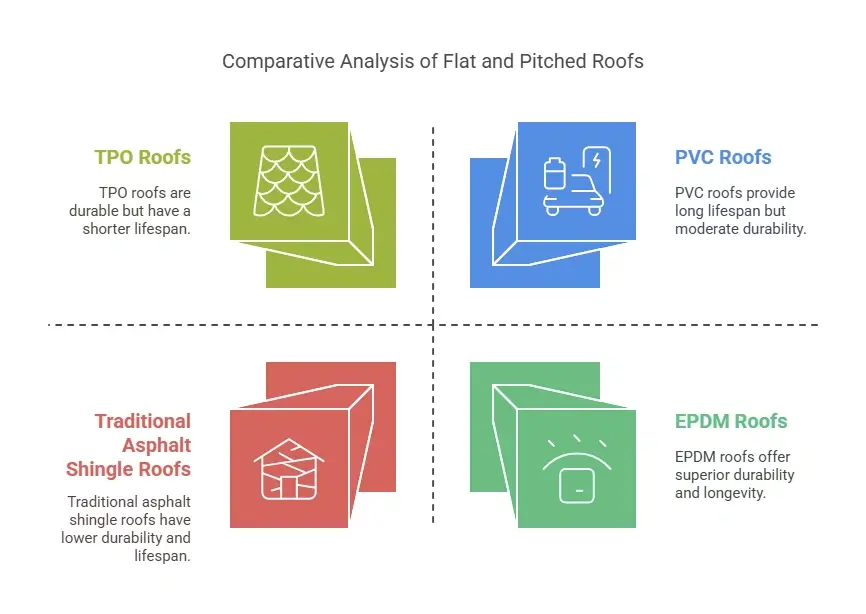
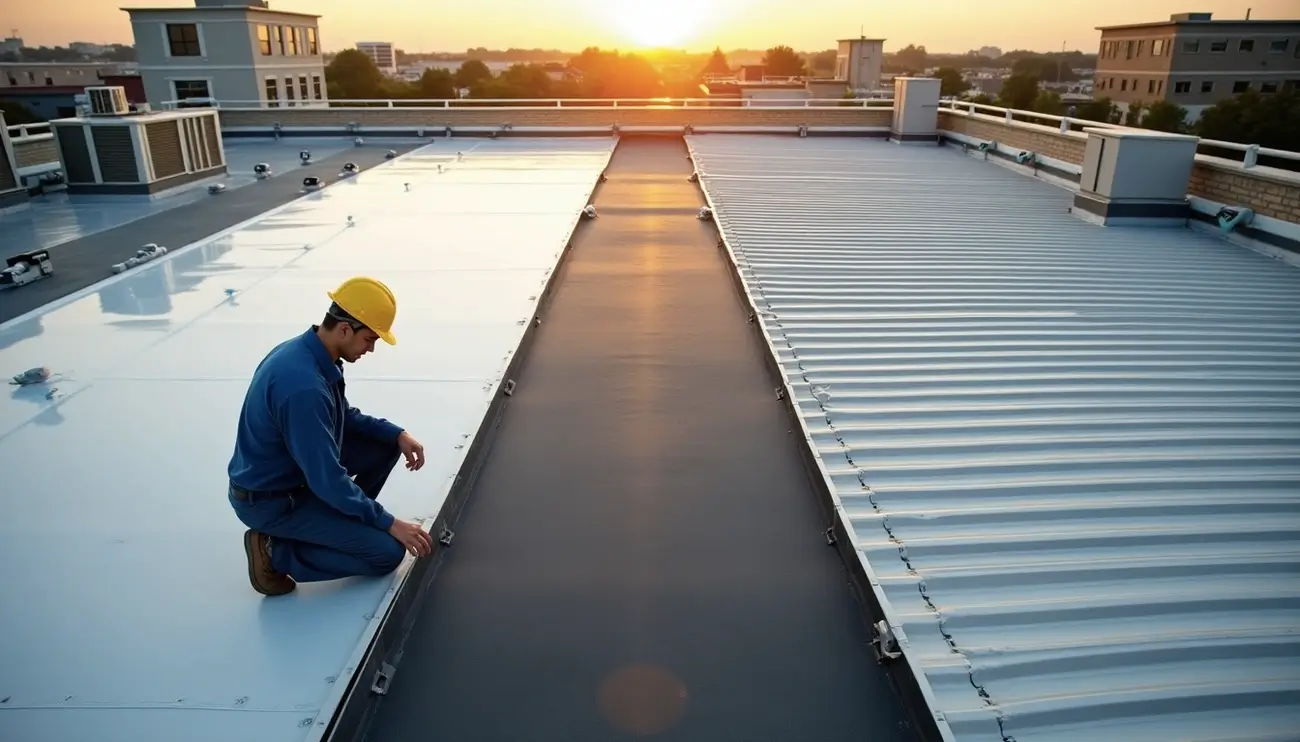
Image Source: Tiny House
People have misunderstood flat roofs for decades. These misconceptions don’t match reality. Building owners need accurate information to make smart choices about the best flat roof material that fits their needs.
Myth: All flat roofs leak
Many people believe flat roofs will always leak. In spite of that, flat roofs can be just as waterproof as sloped ones when installed and maintained properly. Modern waterproofing has revolutionized flat roof performance. TPO and PVC membranes make today’s flat roofs highly resistant to water damage.
Leaks usually happen because of bad installation, old materials, or lack of maintenance—not the flat design. A professional installation with the right slope (usually ¼” per foot) will give a good water drainage system that stops water from collecting. It also helps to keep drainage areas clear of debris so water flows off the roof instead of forming pools.
Myth: Flat roofs don’t last long
Many people think flat roofs have a short life. The truth is that a well-built flat roof can serve you 20-30 years with good care. Different flat roof material types last for varying periods:
- EPDM membrane roofs stay strong for 25-30 years
- TPO and PVC membranes work well for about 25 years
- Standing seam metal flat roofs can protect your building for 30 years, maybe even 50 years
- Built-up roofing (BUR) systems typically protect for 15-30 years
- Modified bitumen roofing usually lasts 20-30 years
Regular checkups and maintenance can add 50% more life to your flat roof. Quality materials, proper installation, and consistent care determine how long your roof will last.
Myth: All materials perform the same
This myth can get pricey if you believe all flat roofing materials work the same way. Each roofing system for flat roofs brings something different to the table. To name just one example:
- EPDM bends easily and handles cold weather well
- TPO saves energy and resists UV rays, perfect for sunny spots
- PVC stands up to chemicals better than most materials
- Metal roofs last longest and offer the best durability
Your choice of flat roof system should match your climate, building use, budget, and energy needs. Understanding these differences helps you pick the best material for a flat roof that works for your situation.
Revealing the Best Flat Roof Material Types for 2025
Your flat roof’s performance, durability, and upkeep costs depend on the material you choose. Here are the top materials that work best in different conditions for 2025.
EPDM: Best for cold climates
EPDM works great in cold environments because it stays flexible even at temperatures as low as -49°F (-45°C). This synthetic rubber membrane bends easily during winter without cracking or getting brittle. The material keeps moisture out and handles snow and ice well. It also provides good thermal insulation to cut down heating costs. You can expect it to last 25-30 years with proper care.
TPO: Best for hot, sunny areas
TPO’s white surface reflects sunlight before it turns into heat, making it perfect for sunny regions. This feature helps cut cooling costs by a lot, which is great for buildings in warm climates that need to meet energy standards. The material stands up well to UV rays and high temperatures, so it won’t break down quickly in strong sunlight. Modern TPO systems last 20-30 years and have heat-welded seams that ensure quality.
PVC: Best for chemical resistance
PVC stands out because it resists chemicals like greases, animal fats, acids, and industrial pollutants. Restaurants, food processing facilities, airports, and manufacturing plants use it because they deal with harsh substances. On top of that, it resists fire better than other materials and puts itself out quickly when exposed to flames. Quality PVC systems can protect your roof for 30-40 years when installed properly.
Modified Bitumen: Best for tight budgets
Modified bitumen gives you good value for money. This polymer-modified asphalt membrane keeps water out and resists tears without breaking the bank. You can get it in several colors beyond black and white to match your building’s look. While it might last only 15-20 years – less than some other options – it’s easy to install and fix, which saves money over time.
BUR: Best for impact resistance
Built-Up Roofing (BUR) systems have kept buildings safe for over 100 years. The multiple layers of bitumen and reinforcing materials create a strong surface that handles foot traffic and falling objects well. These systems keep water out through their sealed surface and many protective layers. They last 20-30 years and need little maintenance.
Metal: Best for long-term investment
Metal roofs are your best bet for a long-term investment, often lasting over 50 years with good maintenance. Unlike other materials, metal won’t curl, crack, or rot. It handles tough weather like heavy snow, hail, strong winds, and extreme heat really well. The higher upfront cost pays off through better energy efficiency – you could save up to 25% on summer cooling costs.
Cost vs Longevity: Which Roofing System Pays Off?
Smart financial decisions about flat roofing materials require more than price tag comparisons. The true measure of value lies in the relationship between the original investment and how long the roof lasts.
Short-term savings vs long-term value
Budget-friendly materials might look attractive at first, but this choice guides you toward higher expenses down the road. Modified bitumen costs only USD 4.00-USD 8.00 per square foot. This makes it an appealing choice for tight budgets. Cheaper materials need more frequent replacement and create a cycle of recurring expenses rather than a one-time investment.
The true annual cost of ownership becomes clear when you divide the installation cost by expected lifespan. Lower quality materials raise utility bills because they’re less energy efficient. TPO and PVC roofing can reduce cooling costs by 15-25% with their reflective properties. These savings help offset their higher upfront prices.
Average lifespan of each material
Each flat roof material type lasts differently:
- Built-Up Roofing (BUR): 15-30 years
- Modified Bitumen: 10-15 years
- EPDM: 25-30 years
- TPO: 15-30 years
- PVC: Up to 30 years
- Metal: 35+ years
Proper maintenance helps materials last beyond their expected lifespan. Experts say all but one of these commercial flat roofs could have lasted longer with proper care.
When to invest in premium options
Premium flat roof systems make financial sense in several cases. Buildings in extreme weather conditions – very hot or very cold climates – need higher-quality materials to prevent early deterioration. PVC roofing costs USD 7.00-USD 12.00 per square foot but provides superior chemical resistance that commercial buildings need.
Energy efficiency priorities make reflective membranes a smart investment. A retail business installed a premium energy-efficient roof system and saw their annual heating and cooling costs drop by 30%.
The best roofing material for flat roof applications matches your building’s specific needs by balancing upfront costs with long-term performance.
Making the Right Choice for Your Flat Roof
You’ll need to look at three key factors to find the right flat roof match. The success of your roofing investment depends on matching materials to your needs. Local climate patterns and qualified professionals also play crucial roles.
Match material to your building’s use
Your building’s purpose will substantially affect which flat roofing material performs best. PVC stands out as the best choice for restaurants or industrial facilities where grease and chemicals are present because it resists harsh substances well. Buildings with rooftop equipment access need impact-resistant options like Built-Up Roofing (BUR).
These building-specific factors matter:
- Predicted foot traffic frequency
- Rooftop equipment needing maintenance
- Chemical exposure from nearby industrial processes
- Budget limits versus longevity needs
Best flat roof systems come from evaluating your building’s main function and secondary needs. To cite an instance, a warehouse might need durability first while an office building could focus on energy efficiency.
Understand your local weather conditions
Your location determines which best material for a flat roof you should choose. EPDM works great in cold climates while TPO shines in hot, sunny regions. Buildings in areas with heavy rainfall or snow need materials that resist water well and have proper drainage systems.
“The climate and location of your property are important considerations when choosing a TPO roofing system,” notes roofing experts. Flat roof material types should line up with your region’s typical weather patterns to last longer and work better.
Work with certified roofing professionals
The finest materials can fail without proper installation. Certified contractors get specialized training from manufacturers to ensure precise application methods. Their expertise helps recommend appropriate roofing systems for flat roofs based on your situation.
Look for these qualities in professionals:
- Proper licensing and insurance
- Manufacturer certifications (not just general roofing credentials)
- Experience with your chosen material
- Knowledge of local building codes and climate considerations
Certified experts give you access to extended warranties and guarantee coverage you might not get otherwise. This protects your investment against unexpected issues throughout its life.
Conclusion
The right flat roof material will definitely make the most important difference in how well your roof performs and lasts. Our analysis of all options available in 2025 shows that each material has its own advantages based on your situation. EPDM works best in cold climates. TPO shows great results in hot, sunny regions. PVC’s chemical resistance makes it ideal for industrial buildings and restaurants.
Money matters tell an interesting story – the original cost doesn’t show the complete picture. Metal roofing’s long-term value often beats modified bitumen’s lower price point, even with higher upfront costs. The best way to understand yearly expenses is to divide installation costs by how long the roof will last.
Finding the right flat roof material means balancing your building’s requirements, local weather conditions, and budget. Whether you need the flexibility of EPDM for cold climates, the reflectivity of TPO for sunny regions, or the chemical resistance of PVC for industrial sites, expert installation is key. With certified professionals like River City Roofing by your side, you’ll enjoy peace of mind knowing your roof is installed correctly and backed by industry-leading warranties. Invest wisely today, and your flat roof will protect your property efficiently for decades.
FAQs
Q1. What is the most durable flat roof material available in 2025?
Metal roofing is considered the most durable flat roof material, potentially lasting over 50 years with proper maintenance. It resists wear, withstands harsh weather conditions, and offers superior energy efficiency.
Q2. How do EPDM and TPO roofing materials compare for different climates?
EPDM performs best in cold climates due to its flexibility at low temperatures, while TPO excels in hot, sunny areas thanks to its reflective surface that reduces cooling costs. Both materials can last 25-30 years with proper care.
Q3. Is it true that all flat roofs are prone to leaking?
No, this is a common misconception. Modern flat roofs, when properly installed and maintained, can be just as waterproof as sloped roofs. Leaks typically result from poor installation, aging materials, or neglect rather than the flat design itself.
Q4. What flat roof material offers the best value for a tight budget?
Modified bitumen offers a good balance between affordability and performance for budget-conscious projects. While it may have a shorter lifespan (15-20 years) compared to some alternatives, its relatively simple installation and ease of repair make it cost-effective over time.
Q5. How important is professional installation for flat roofs?
Professional installation is crucial for flat roof performance. Even the best materials can fail if improperly installed. Certified contractors ensure precise application, can recommend appropriate systems based on specific circumstances, and often provide access to extended warranties that protect your investment.