


Hail damage to roof shingles is often more serious than it appears at first glance. Even small hailstones, as little as half an inch, can strike a roof at speeds over 30 miles per hour, causing damage that isn’t immediately visible. Many homeowners mistakenly assume their roofs are fine when there are no obvious leaks, but hail can weaken shingles by knocking off protective granules, causing cracks, bruising, and dents in both shingles and metal roof components. This hidden damage gradually worsens over time, often taking months before leaks and other serious problems become apparent. For professional inspections and repairs, trusted experts like River City Roofing can help you spot and fix hail damage before it escalates.
What does hail damage look like on a roof?
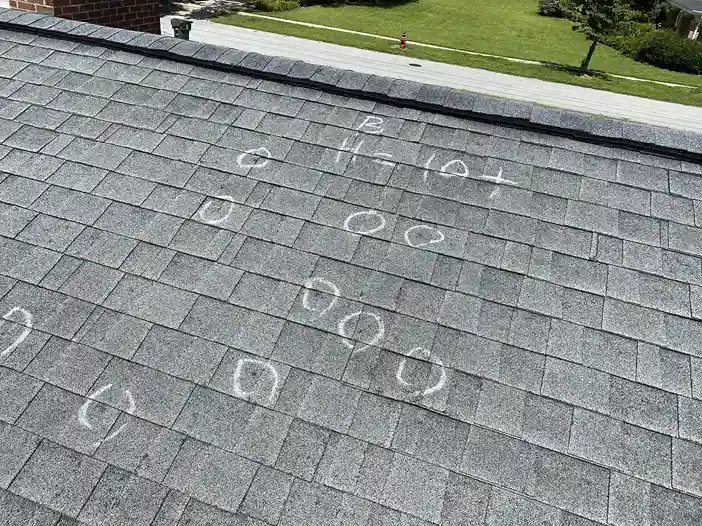
Image Source: Shake Guys
You need to know what to look for to spot hail damage on your roof. Most people miss the signs because they’re not always obvious right after a hailstorm.
Granule loss and bald spots
Hailstones hitting your asphalt shingles can knock off protective granules that shield the material underneath from UV rays. You’ll see dark, discolored patches where the black substrate layer shows through. These bald spots put your roof at risk of rapid wear and tear. The first sign often shows up in your gutters and downspouts as collected granules. Your shingles become vulnerable without these granules and lose their ability to resist fire, UV rays, and weather.
Cracks and dents in shingles
Hail leaves random damage patterns across your roof. You’ll spot black-colored dents on asphalt shingles where the hail hit. Wood shingles show splits with sharp corners and edges that often turn brown or orange. Water can seep through these cracks and cause leaks. Hailstones about 1″ or bigger usually cause the most obvious damage. Even smaller hail can harm your roof as time goes by.
Soft or spongy areas on the roof
A telltale sign of hail damage is spots that feel soft like a bruised apple. These “bruised” areas mean the impact has weakened the shingle’s structure, even if you can’t see any cracks. Run your hand over areas you think might be damaged. Watch for spots that feel spongy or give way under light pressure. These weak spots won’t last as long as undamaged shingles.
Dents in flashing, vents, and gutters
Your roof’s metal parts often show hail damage more clearly than the shingles do. Take a look at roof vents, flashing around chimneys, skylights, and gutters to find small dents or dimples. These metal dents prove that the hail was big enough and fell hard enough to damage your roofing materials. Your home can also start leaking where different roofing materials meet if the flashing gets damaged.
How does hail damage a roof over time?
Hail damage is dangerous not just because of what happens right away, but because it triggers a chain of deterioration that gets worse as time passes. You need to fix even small hail damage quickly once you understand how it progresses.
Impact force and shingle bruising
Hailstones hit your roof with strong force and create “bruises” that most people can’t spot easily. These bruises are soft spots that feel like a bruised apple when you press them. The impact breaks the mat underneath, and cracks spread upward toward the granular surface. These weak spots become entry points for future problems.
Loss of protective granules
The most important long-term effect happens when hail knocks off the protective granules that coat your shingles. Your roof naturally loses some granules over time, but hailstorms speed this process up drastically. Manufacturers say shingles lose part of their lifespan once these granules come off. Research shows your roof can still shed water with minor granule loss, but the asphalt underneath becomes exposed to damaging elements.
Exposure to UV and moisture
The exposed asphalt becomes weak after losing its granules. UV radiation dries it out until it turns brittle and cracks. Cracks from hail impacts let moisture seep underneath. Water in these areas freezes and thaws as seasons change, which makes existing cracks bigger and creates new ones. This trapped moisture can rot wooden structures and help mold grow inside your home.
Accelerated aging of roofing materials
These factors work together to cut your roof’s life expectancy dramatically. Normal asphalt shingles last 15-25 years, but serious hail damage can reduce this time significantly. Damaged sections age faster than undamaged ones, which makes your roof wear unevenly. Your roof’s protective barrier grows weaker with each storm, so each weather event ends up causing more damage than the last.
Hidden signs your roof may be leaking
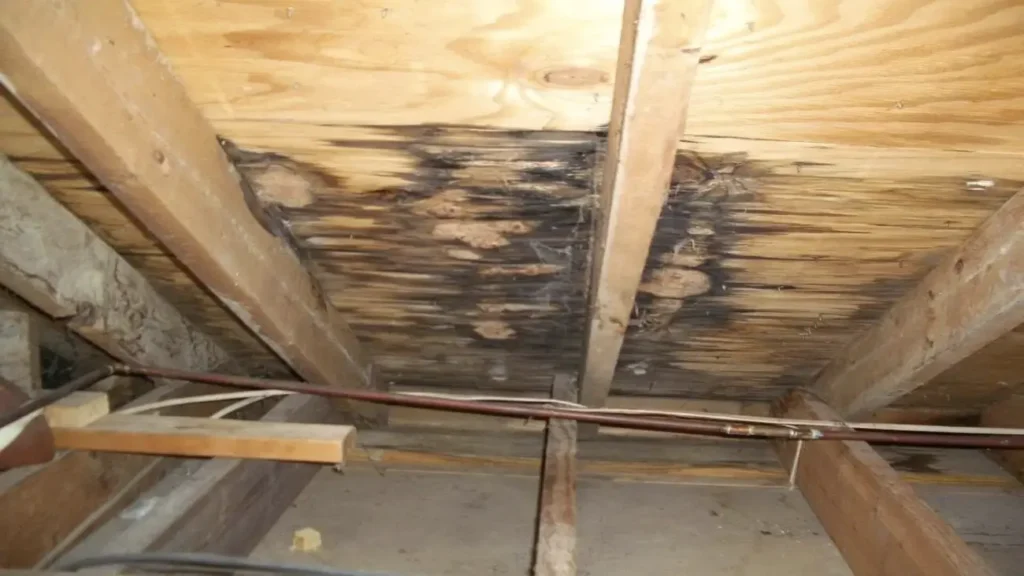
Image Source: Final Touch Carpentry & Construction
Your home might show subtle signs of water damage long before you notice ceiling drips from a leaky roof. Hail damage to roof shingles often guides you to early warning signs. Many homeowners miss these signs until the damage becomes severe.
Water stains on ceilings or walls
Yellowish-brown water stains on your ceilings or walls are the clearest signs of a leaking roof. These stains show up as irregular patches where water seeps through damaged roofing materials. Water stains might look minor at first glance. These red flags need your attention because water has already started to penetrate your home’s structure and could cause major damage.
Mold or mildew in the attic
Your attic needs regular checks for mold growth, especially after hailstorms. Hail damage lets moisture in and creates perfect conditions for mold to thrive. Black, green, or white fuzzy patches might appear on rafters, insulation, or sheathing. Mold starts growing within 24-48 hours after moisture exposure, so it quickly reveals roof leaks.
Musty odors or increased humidity
Your nose often detects roof leaks before your eyes do. A lingering musty smell in your home’s upper levels or attic usually points to mold from water seepage. The attic might feel more humid than usual if water enters through hail-damaged spots. You’ll notice this increased moisture before visible water damage appears.
Granules in gutters or downspouts
Your gutters or downspout bases might collect loose granules that signal serious shingle damage. Normal wear causes some granule loss. Large amounts of granules after a hailstorm mean your roof’s protective layer has weakened. These granules serve as your roof’s main defense – without them, shingles deteriorate faster.
Peeling paint or warped wood near roofline
The areas where your roof meets exterior walls need attention. Paint peeling, wallpaper bubbling, or wood warping in these spots usually means water leaks from damaged roof sections. On top of that, water travels down through your home’s structure, so check baseboards and window frames for any discoloration or warping.
What to do if you suspect hail damage
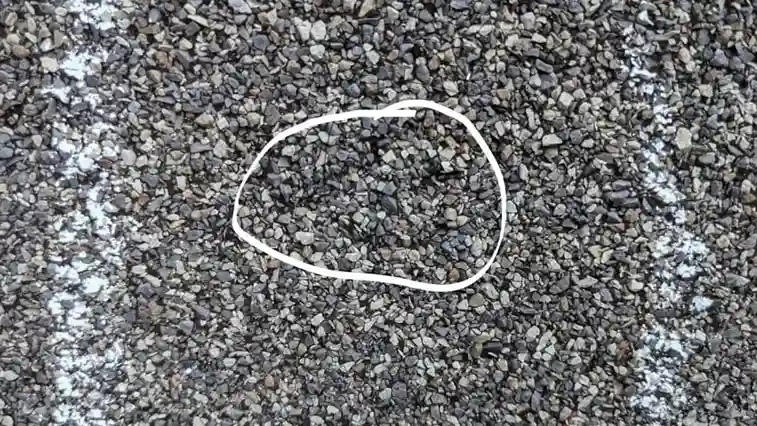
Image Source: Sellers Roofing Company
Quick action after a hailstorm can save you thousands in repairs that might get pricey. Your roof shingles might have hail damage, so here’s what you need to do to protect your home and guide you through the insurance process.
Perform a ground-level inspection
Start with a quick check from the ground where it’s safe. Look around your property for broken pieces or loose shingles that might show wind or hail damage up above. Your gutters deserve extra attention – granules collecting there often mean damaged shingles. Metal surfaces like downspouts, AC units, and electrical panels might show dents that confirm hail’s effects.
Check attic for signs of leaks
Your attic should be next on the list. Grab a flashlight and look for water getting in. Don’t just focus on obvious drips – water stains on rafters and damp insulation tell their own story. A careful look at your ceiling’s corners might reveal early leaks. Watch out for bubbling paint, higher humidity, or musty smells that show up before you see water damage.
Call a professional roofing contractor
Your original check is done – now it’s time to call a qualified roofing pro before reaching out to insurance. A good contractor will:
- Give you a full picture of hard-to-reach spots
- Fix temporary issues to stop more damage
- Document everything properly for insurance
- Tell you if the damage needs a claim
Document damage for insurance
Good documentation makes all the difference. Take clear photos with timestamps showing damage from every angle. List each spot where you find damage and write down exactly where it is. Keep every receipt from emergency fixes – your policy might pay you back for these.
Understand your insurance policy coverage
You should know what your policy covers, especially about deductibles and coverage limits. Most homeowner’s policies take care of hail damage and the leaks that follow, up to certain amounts. Note that filing right after you find damage gives you better chances for approval. Insurance adjusters look harder at claims that come in late.
Conclusion
Don’t wait for obvious leaks to appear before checking your roof after a hailstorm. The subtle signs—such as granule loss, soft spots, water stains, and dents in metal flashing—indicate that your roof’s protective barrier has been compromised. Hail damage accelerates aging and deterioration, putting your home at risk of costly repairs if left unaddressed. Early inspections by qualified professionals like River City Roofing, combined with prompt insurance claims, can help protect your home and extend the life of your roof.
FAQs
Q1. How can I tell if my roof has hail damage without climbing on it?
Look for granules in your gutters or at the base of downspouts, check for dents on metal surfaces like vents and flashing, and inspect your attic for signs of water infiltration or increased humidity.
Q2. Does all hail damage lead to immediate leaks?
No, not all hail damage causes immediate leaks. Often, the effects of hail impacts take months to manifest as visible leaks, while hidden damage continues to worsen over time.
Q3. How long do I have to file an insurance claim for hail damage?
While timeframes can vary by policy, it’s best to file a claim as soon as possible after discovering damage. Prompt reporting increases the likelihood of approval and helps prevent further deterioration.
Q4. Can small hailstones damage my roof?
Yes, even hailstones as small as ½ inch in diameter can cause damage to your roof shingles, especially by dislodging protective granules and creating weak spots that worsen over time.
Q5. What should I do immediately after a hailstorm?
Perform a ground-level inspection of your property, check your attic for signs of leaks, document any visible damage with photos, and contact a professional roofing contractor for a thorough assessment.