Corrugated metal roofing has been around for nearly two centuries, and its popularity continues to grow thanks to its durability, affordability, and versatility. Made by bending metal sheets into wave-like patterns, this roofing system combines strength with style, making it a reliable choice for both residential and commercial properties. From traditional galvanized steel to premium options like copper and zinc, corrugated metal roofs offer a wide range of materials to suit different climates, budgets, and design preferences. Before investing, however, homeowners should carefully consider factors such as roof slope, installation quality, and long-term value.
What is a Corrugated Metal Roof?
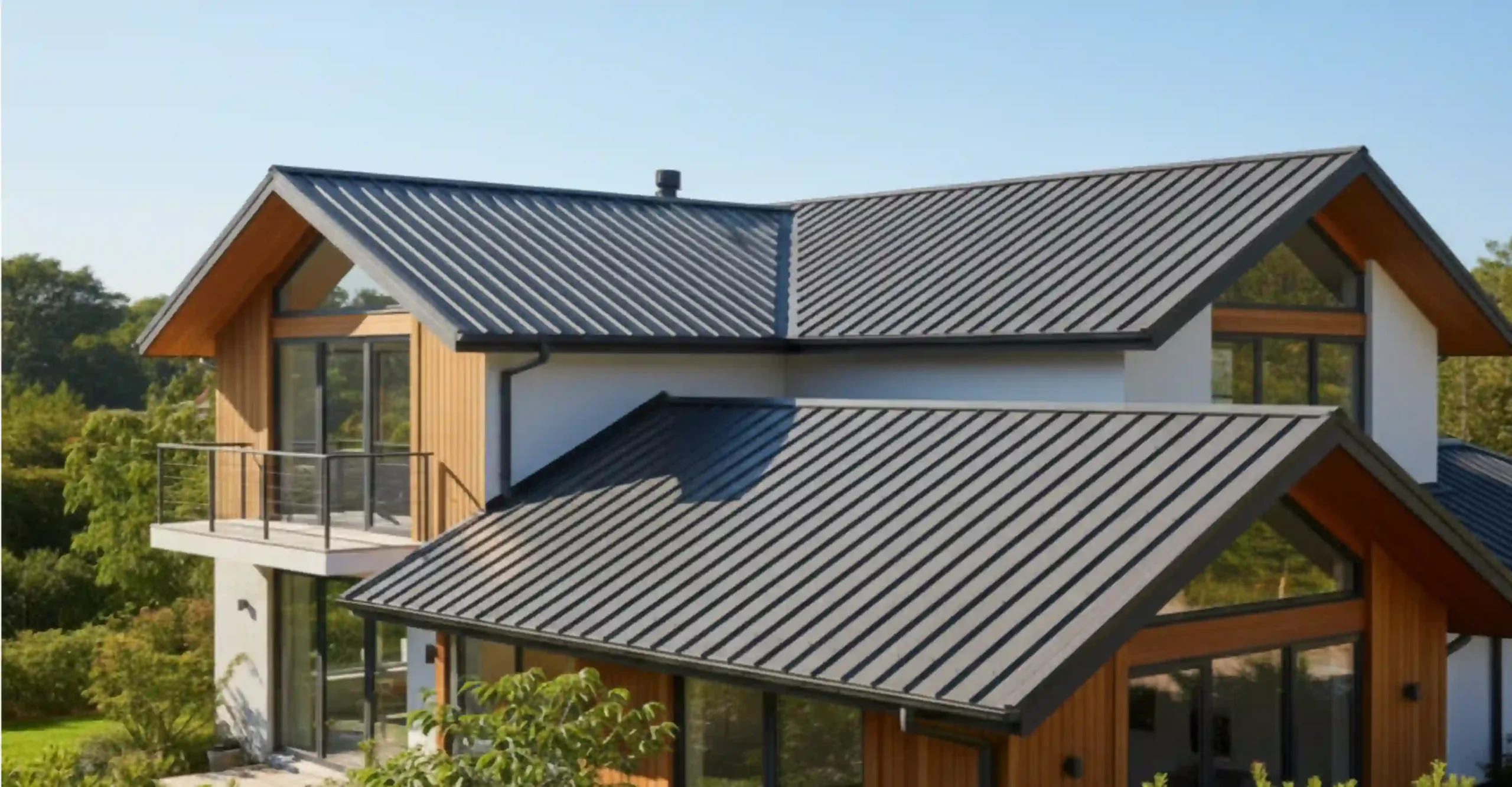
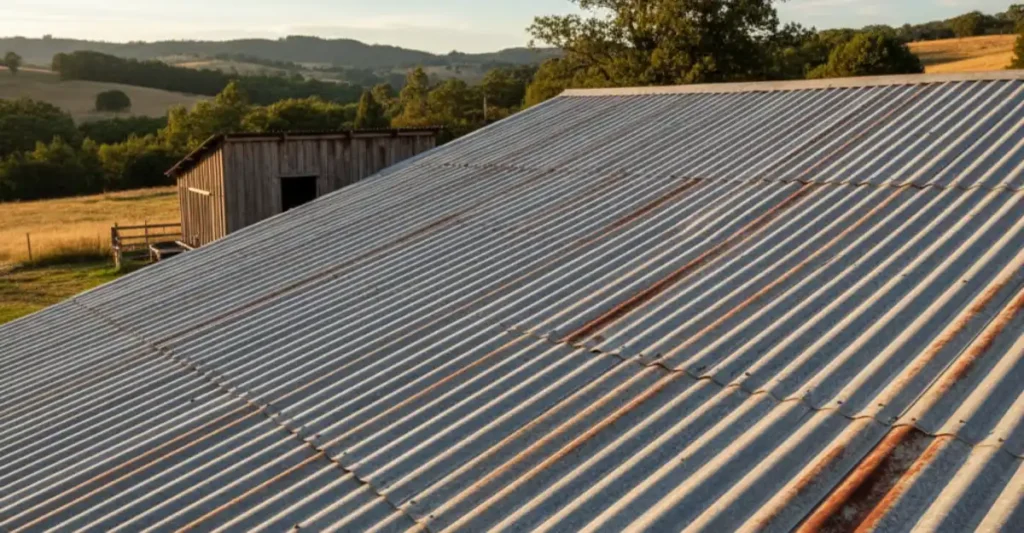
Metal panels bent into wave-like or rippled patterns make up a corrugated metal roof. These patterns improve the roof’s structural strength. The wavy design helps the material handle pressure better, resist bending, and drain water quickly. “Corrugated” describes how metal sheets are bent into alternating ridges and grooves, which makes the material stronger.
You’ll notice exposed fasteners on corrugated metal roofing – the screws are visible right on the panel’s surface. The panels overlap by one and half corrugations from side to side and about 150 millimeters from top to bottom. This design keeps water from seeping through. The corrugation process makes steel much stronger. Even lightweight metals like aluminum or galvanized steel become tough and durable through this process.
Back in the 1820s, Henry Robinson Palmer created the corrugation process while working at the London Dock Company. His main goal was to speed up installation times. Today’s manufacturers use roll-forming techniques. They pull sheet metal through rolling dies to create those familiar wavy patterns.
Here’s what makes corrugated metal roofing so popular:
- It stands up well to harsh weather – hail, snow, hurricanes, and heat
- It resists fire and weighs less than other options
- It costs less than many other roofing materials
- It saves energy and needs little maintenance
- With proper installation, it can last a lifetime
The classic corrugated metal has round, wavy patterns. Modern versions also come in square or box-shaped designs. These panels are usually 2-3 feet wide and connect at their curved edges. Roofing experts use “corrugated” specifically for “S” shaped wavy panels, but the term works for any metal shaped into grooves and ridges.
Corrugated metal roofs work great on both homes and commercial buildings. While many people think of barn roofs when they hear “corrugated metal,” these panels look fantastic on houses too. They’re a stylish alternative to regular asphalt shingles. The wavy design keeps water moving, which protects the building underneath.
Materials Used in Corrugated Metal Roofing
Corrugated metal roofing employs various materials. Each material offers unique benefits for different uses. The choice of material determines how durable and cost-effective these wavy-patterned panels will be.
Galvanized Steel
A protective zinc coating shields galvanized steel through a dipping process that craftsmen have used for centuries. The zinc layer protects the steel core from corrosion. Thicker coatings naturally provide better protection. These panels are available in three protection levels: G40, G60, and G90. Higher numbers indicate thicker zinc coating. Galvanized steel resists animal urine exceptionally well, which makes it perfect for farm buildings. The panels never rot, mildew, or warp and create a strong barrier against termites.
Galvalume Steel
Galvalume steel became a game-changer when it emerged in the early 1970s. This material combines three high-performing metals—steel, aluminum, and zinc. The coating ratio is specific: 55% aluminum, 43.4% zinc, and 1.6% silicone. Galvalume fights corrosion two to four times better than galvanized steel. The material can heal itself and control red rusting at cut edges. Its superior durability led 90% of the metal roofing industry to switch from galvanized to Galvalume substrates in the mid-1990s.
Aluminum
Aluminum roofing leads the pack as the lightest option with the best strength-to-weight ratio. This material naturally resists corrosion, making it perfect for coastal areas where salty air damages other materials. Aluminum needs no extra protective coatings, which means less maintenance.
Copper
Copper stands out as a premium roofing material that can last over 100 years. Its beautiful reddish-orange color turns into a blue-green patina as it oxidizes. Copper roofing has a rich history. The Romans used it on the Pantheon in 27 B.C..
Zinc
Zinc roofing lasts 60-100 years, sometimes reaching 150 years based on installation quality and climate. This non-ferrous metal contains no iron and needs less energy to produce. Like copper, zinc develops a protective blue-gray patina that heals scratches over time.
Things to Consider Before Choosing Corrugated Metal Roofing
Homeowners should review several significant factors that affect their roofing choice’s performance, longevity, and satisfaction before they invest in corrugated metal roofing.
Roof pitch and design compatibility
A minimum slope of 2 inches per 12 inches makes corrugated metal roofing work properly. These panels don’t work with flat roofs because water pools longer and might leak through exposed fasteners. U-panel corrugated metal adapts well to most roof slopes and designs. R-panels offer better durability but less flexibility.
Climate and environmental factors
Corrugated metal shows exceptional performance in extreme weather conditions. These systems can handle wind speeds up to 140 miles per hour when installed correctly. The panels have earned a Class 4 rating—the industry’s highest impact resistance level. This makes them perfect for areas that see frequent hail. Snow slides off naturally on the smooth surface, which prevents heavy accumulation.
Noise and insulation needs
A properly installed corrugated metal roof isn’t noisier than other roofing materials, despite what many believe. Soundproofing options include attic insulation, ceiling treatments, and specialized underlayments. The insulation helps control temperature and keeps homes cooler in summer and warmer in winter.
Budget and long-term value
Installation costs for corrugated metal roofing range from $4.50 to $9.00 per square foot. The upfront cost exceeds traditional materials, but these roofs last 40-70 years. They outlast asphalt shingles by 2-3 times. Minimal maintenance needs and extended lifespan create substantial long-term value.
Contractor experience and installation quality
The roof’s performance depends heavily on choosing experienced Roofing contractors. Professional installers know the right fastener placement. This prevents common issues like over-tightening or angled screws that create leak points. They also recommend suitable underlayment, insulation, and ventilation systems to extend the roof’s life.
Conclusion
Corrugated metal roofing remains one of the most practical and cost-effective solutions for modern homeowners. Its strength, weather resistance, and low maintenance needs make it a long-lasting investment compared to traditional roofing materials. With options ranging from budget-friendly galvanized steel to premium copper and zinc, it caters to both functional and aesthetic demands. Choosing the right roof material and working with an experienced contractor ensures optimal performance and decades of protection. For those seeking a roof that blends durability, energy efficiency, and timeless style, corrugated metal roofing is an excellent choice.
Note: The costs mentioned are average estimates and may vary based on your home’s design, materials, and project complexity. Always consult with a licensed local contractor for an accurate quote.