Have you ever paused during a storm and wondered if a metal roof would turn every raindrop into a drumbeat? Maybe you’ve heard stories from a neighbor or seen a video online that made metal roofing sound like living inside a tin can. It’s a real concern, and you’re not alone in asking.
The tricky part is that noise can be a deal-breaker when you’re trying to choose the right roof. You want durability, but you don’t want your home sounding like a garage band rehearsal every time it rains. That tension makes people hesitate, or worse, skip metal roofing entirely.
This blog clears up the confusion and answers the big question: Do metal roofs make noise when it rains? We’ll walk through what actually causes roofing noise, what modern materials do differently, and how you can make smart choices without guessing.
Why People Think Metal Roofs Are Noisy
Many people think metal roofs roar in the rain because we grew up hearing storms slam on old sheds. Those thin panels shook with every drop, and the noise stuck in our heads. You might picture that same rattling sound on a house, but that image comes from outdated materials, not modern roofing.
Most barns and backyard sheds didn’t use insulation or solid decking. They used bare metal nailed right over open framing, so rain had nothing to soften the hit. It’s no surprise those buildings sounded loud.
When you picture a home roof, try not to mix it with those memories. Today’s metal systems work very differently, and we shouldn’t judge them by old stereotypes. If you’ve worried about noise, you’re not wrong, but you’re reacting to the past not what you get now.
How Modern Metal Roofs Actually Handle Sound
Modern metal roofs stay quieter because they use layers that absorb vibration and block most rain noise.
Underlayment
The underlayment sits under the panels and softens impact. It acts like a small cushion and cuts sharp noise fast. A thicker option quiets things even more.
Insulation
Your attic insulation absorbs leftover sound. It reduces that quick “ping” people expect. If you already have solid insulation, you’re in good shape.
Roof Decking and Structure
Decking adds a firm base that stops the metal from acting like a drum. A tight, clean install keeps panels steady and lowers rattling.
Factors That Affect Noise Levels
Panel Type
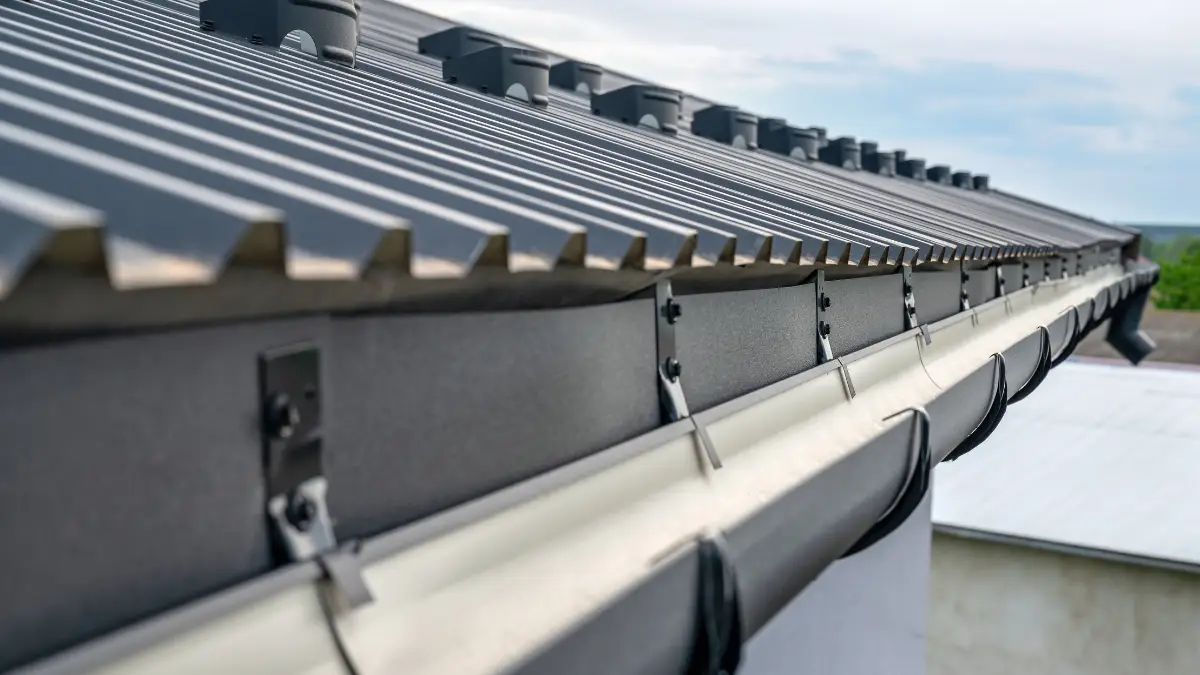
Different metal panels handle sound in their own way. Thicker panels absorb more impact, so you hear less noise during heavy rain. Exposed-fastener panels can sound sharper because the metal sits directly over the framing. If you want a calmer sound, choose a standing seam panel. It locks together tightly and doesn’t rattle when the wind pushes the roof a bit.
Installation Quality
A solid installation makes a huge difference. When installers skip screws or leave small gaps, the panels can vibrate. That vibration creates extra noise you never asked for. Make sure your crew adds proper underlayment and secures each panel evenly. You’ll hear the payoff every time a storm rolls in.
Home Design
Your home’s layout shapes how sound moves. A house with open ceilings or little insulation will let more noise slip through. A finished attic with insulation softens the sound fast. Even roof pitch matters. Steeper roofs shed rain quickly, so you hear fewer long hits. Think of your home as a filter. The better the layers, the quieter the room feels.
How Metal Roofs Compare to Other Roofing Materials
Asphalt shingles
Shingles stay quieter because their layers absorb impact. Metal reacts differently, but it’s not automatically louder. With solid decking and good underlayment, the noise stays close to what you hear with shingles. You trade a slightly sharper sound for a roof that lasts much longer.
Tile and wood options
Tile stays quiet due to its weight, and wood shakes soften rain, too, though they need more care. Metal sits between them. You might hear a light tap in heavy rain, but proper insulation keeps it controlled. If you want steady performance with manageable sound, metal gives you predictable results.
Ways to Reduce Rain Noise Even Further
Extra insulation
If you want a quieter home, start with insulation. It absorbs a lot of the impact sound before it travels through your rooms. You don’t need anything fancy either—sound attic insulation already makes a big difference. If your attic feels thin or patchy, add a bit more. You’ll notice the change fast, not just during storms but in your energy bills too.
Upgraded underlayment
Think of underlayment as the cushion between the metal panels and your home. A thicker, higher-quality option softens each raindrop’s hit. We see homes get noticeably quieter when owners choose a sound-dampening underlayment. It’s one of those upgrades you only buy once, so pick the better one if you can.
Proper installation tips
Even the best materials struggle if the installation goes sloppily. Gaps, loose panels, or skipped fasteners let sound leak through. If you’re hiring a pro, ask how they handle noise control. If you’re doing it yourself, take your time anchoring panels and sealing edges. A careful install tightens the roof and cuts out a lot of stray noise.
Is a Metal Roof Right for You?
A metal roof can be a smart choice if you want long-term durability and fewer repairs. Think about your climate, your budget, and how much noise control you expect. If you already plan to add good insulation, you’ll get even better comfort. We should also be honest about cost, since metal roofing usually starts higher but lasts far longer. Check how long you’ll stay in your home, because that matters more than people think. When you weigh these points, you can decide with confidence and skip the second-guessing.
Conclusion
Choosing a roof shouldn’t feel confusing, and hopefully, this helped clear the noise around metal roofing. We walked through why people worry about rain sounds and how modern materials cut most of that noise before it reaches you. You now know what actually matters: solid decking, good insulation, and a proper install.
If you take one thing away, let it be this: metal roofs don’t have to be loud. With the right setup, they stay calm during storms and last for years. And you don’t need to figure it out alone.
If you want advice or a clean, stress-free install, reach out to River City Roofing. We’ll walk you through your options and handle any roofing needs with care.
Comments are closed