
Architectural shingles are a popular roofing choice for homeowners seeking durability and style. While manufacturers often market these shingles with a 30-year lifespan, real-world experience shows most architectural shingles last about 22-25 years—roughly 80-85% of the advertised duration. Factors like installation quality, attic ventilation, local climate, and maintenance play a major role in how long your shingles will actually protect your home. Architectural shingles outperform traditional 3-tab shingles in longevity, wind resistance (up to 130 mph), and overall durability, making them a smart investment despite their higher upfront cost. For expert installation and reliable roofing services, trusted professionals like River City Roofing can ensure your shingles perform at their best.
How long do architectural shingles really last?
Homeowners often wonder how long their roofing materials will actually last. The “30-year shingles” label on architectural shingles creates high expectations, but the reality might surprise you.
Manufacturer claims vs ground application
Marketing claims and actual performance show a big difference. Yes, it is true that manufacturers label their architectural shingles for 30 years, but independent roofing experts report shorter lifespans. This isn’t about misleading marketing—these numbers represent perfect conditions that rarely exist in real life. Industry studies show architectural shingles deliver about 80-85% of their marketed lifespans.
Typical lifespan range: 22–25 years
Architectural shingles usually last between 22-25 years, not the full 30 years. This timeframe gives homeowners a realistic expectation. Good installation and regular maintenance throughout the roof’s life can help reach these numbers. Premium products under the best conditions might last 25-28 years, but counting on a full 30-year lifespan often disappoints. Major manufacturers’ studies reveal that these shingles last 20-30 years on average, with most falling somewhere in between.
Why they rarely reach 30 years
Several issues keep architectural shingles from reaching their full lifespan potential. Quality installation and proper attic ventilation are vital—poor work in these areas can cut the lifespan to just 10-15 years. Weather conditions affect durability by a lot. Places like Myrtle Beach, with frequent hurricanes, see lifespans drop to 15-25 years because of harsh weather.
Your shingles start to break down from sun exposure right after installation. Florida state officials found that shingles become less effective against hurricane winds after just 10 years because of sun damage. Your roof’s direction and sun exposure patterns determine how fast your shingles age.
The “30-year” label on architectural shingles points to the manufacturing defect warranty rather than guaranteed service life. Regular maintenance will protect your home for decades—just don’t expect the full 30 years shown on the package.
What affects the lifespan of architectural shingles
Your architectural shingles can reach their full potential lifespan when certain key factors align. You can protect your roofing investment and avoid early replacement costs by understanding these elements.
1. Installation quality
Quality installation is vital for architectural shingle longevity. Premium materials will fail early if installed poorly. Expert roofing contractors know the right nailing techniques, overlap requirements, and flashing details that keep water out. Your roof’s life expectancy drops when installation problems allow damage to occur. Well-installed architectural shingles can handle winds up to 130 mph, but poor installation reduces this wind resistance.
2. Attic ventilation and insulation
Proper attic ventilation helps architectural shingles last longer by controlling temperature and moisture. Heat and moisture get trapped without good ventilation, which makes shingles break down faster. Summer temperatures in badly ventilated attics can reach above 140°F. This heat cooks shingles from below and speeds up aging. Winter brings its own challenges when warm air from living spaces turns to moisture in cold attics. This leads to water damage and ice dams. A well-ventilated attic needs both intake vents along soffits and exhaust vents at the roof peak.
3. Local climate and weather exposure
Weather conditions affect architectural shingle durability by a lot. Asphalt shingles typically last 14 years in warm regions like Florida, compared to 19-20 years in cooler northern areas. Temperature changes make protective coatings break down through repeated expansion and contraction. UV radiation speeds up oxidation, which leaves shingles brittle and prone to cracking.
4. Roof orientation and sun exposure
Roof orientation affects shingle lifespan more than you might think. South-facing roofs take direct sunlight, which shortens shingle life immediately. UV rays break down chemical bonds in exposed asphalt areas. Dark shingles heat up more and fade faster than lighter ones. Constant UV exposure causes granule loss that weakens the shingles’ protection.
5. Maintenance and inspections
Regular maintenance helps architectural shingles last longer. Professional inspections catch early UV damage signs like small cracks or curling. Quick action on problems like clogged gutters, overhanging tree branches, and moss growth stops rapid deterioration. A roof’s potential lifespan can drop by half without proper care.
Warning signs your shingles are aging or failing
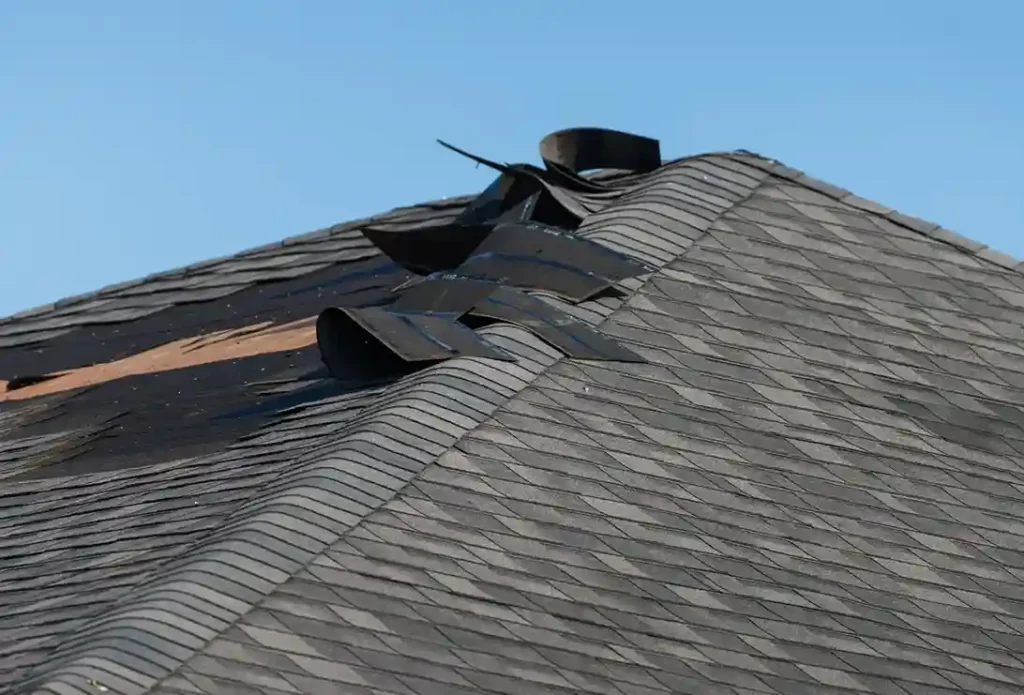
Image Source: DaBella
Your architectural shingles can last longer if you spot warning signs early and avoid getting pricey water damage. Early detection gives you time to plan repairs or replacement before serious issues show up.
Cracked or curled shingles
Curling shingles are the first visible signs that your architectural shingles are nearing the end of their life. Shingle edges that turn upward (curling) or middle sections that rise (buckling) create weak spots where water can enter. You might need to replace all shingles if they’re the same age, even if only a few show damage. Cracked shingles also point to material breakdown from temperature changes, high winds, manufacturing defects, or poor installation.
Loss of granules
Granules act like protective armor for asphalt shingles and shield them from harmful UV rays. These granules loosen and wash away as shingles age. You’ll find them collecting in your gutters and downspouts – a clear sign of ongoing deterioration. Dark spots or “bald patches” show up where granules have worn off, leaving exposed asphalt underneath. Your roof’s lifespan drops quickly without this protection as UV damage speeds up and moisture seeps in more easily.
Leaks or water stains
Water stains on your ceilings or walls usually mean your architectural shingles have already failed somewhere. Look for water drips, stains, or damp spots in your attic after it rains. Note that water often travels along rafters before dripping down, so the damage you see inside might not line up with the actual leak. Any water intrusion needs quick attention since it leads to structural damage, mold, and ruined insulation.
Moss, algae, or dark streaks
Moss and algae do more than look bad – they actively harm shingles by holding moisture against them. These organisms grow mostly in shaded areas and speed up shingle decay by keeping the roof wet. Dark streaks start as tiny spots before growing into visible lines. These streaks come from an algae called gloeocapsa magma. While it starts as just a looks issue, heavy growth can eventually damage your roof.
Sagging or uneven rooflines
A healthy roofline should stay straight and even throughout its life. Dips, bows, or waves along the roofline signal structural problems that need a full picture from a professional. The sagging usually happens because water damage has weakened the roof deck or supports over time. Inside your house, you might notice cracked ceilings, separated exterior walls, and doors or windows that stick.
Architectural shingles vs 3-tab shingles: Lifespan and value
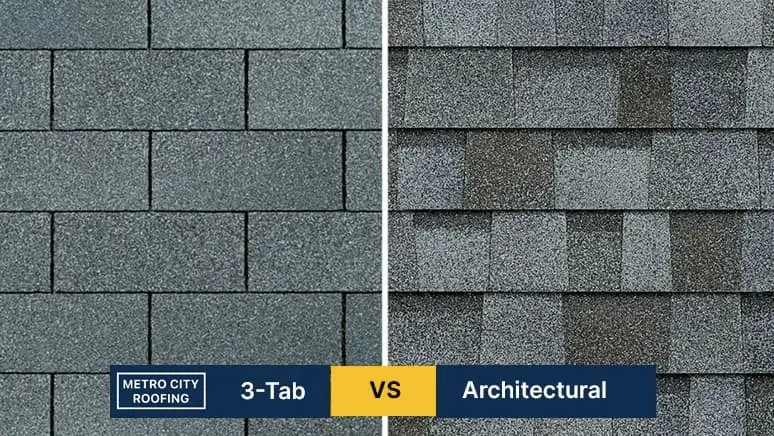
Image Source: Metro City Roofing Contractors
The lifespan and value between architectural and 3-tab shingles show clear differences in how they perform.
3 tab shingle lifespan vs architectural
These shingle types have a substantial difference in how long they last. 3-tab shingles last 7-15 years in harsh weather and up to 12-20 years in mild climates. Architectural shingles provide much longer protection that spans 18-25 years. Some premium options can even reach 30 years with proper conditions. This gap exists because architectural shingles are built thicker and use better materials.
Durability and wind resistance
Extreme weather really shows how these shingles differ in durability. Architectural shingles can handle winds up to 110-130 mph. 3-tab shingles only resist winds of 60-70 mph. This becomes a vital factor in storm-prone areas to prevent roof damage. Architectural shingles have a heavier, multi-layered design that resists lifting, cracking, and granule loss better during severe weather.
Cost vs longevity trade-off
The original cost of 3-tab shingles runs lower at $1.00-$2.00 per square foot ($1,500-$3,000 for a typical 1,500-square-foot roof). Architectural shingles cost $4.00-$8.00 per square foot ($6,000+ for the same roof). Their extended lifespan makes architectural shingles a better long-term value even with higher upfront costs.
Warranty differences
Quality differences show up in warranty protection too. 3-tab shingles come with 25-30 year limited warranties. Architectural shingles offer better coverage with standard 30-year warranties. Many manufacturers provide 50-year or lifetime warranties. Premium architectural shingles can qualify for non-prorated enhanced warranties. These cover materials for their entire lifespan if installed with matching roofing components from the same manufacturer.
Conclusion
The Real Value Proposition of Architectural Shingles
While architectural shingles may not always reach the full 30-year lifespan claimed on packaging, they still offer superior protection and value compared to standard 3-tab shingles. Most homeowners can expect 22-25 years of dependable roofing when installation is done correctly and regular maintenance is performed. Early detection of warning signs such as granule loss, curling shingles, or leaks can prevent costly damage down the line. By choosing quality materials and experienced contractors like River City Roofing, you can maximize your roof’s longevity and keep your home safe through harsh weather and changing climates.
FAQs
Q1. What is the typical lifespan of architectural shingles?
Architectural shingles typically last between 22-25 years, though this can vary depending on factors like climate, installation quality, and maintenance. While manufacturers often market them as “30-year shingles,” real-world performance is usually about 80-85% of this claim.
Q2. Why do architectural shingles tend to last longer than 3-tab shingles?
Architectural shingles are thicker and heavier, making them more durable and resistant to severe weather conditions like hail storms, heavy winds, and hurricanes. Their multi-layered design also provides better protection against UV rays and moisture penetration.
Q3. What kind of warranty do architectural shingles usually come with?
Most manufacturers offer standard 30-year limited warranties for architectural shingles. Some premium products may even qualify for 50-year or lifetime warranties when installed with compatible roofing components from the same manufacturer.
Q4. How can I extend the lifespan of my architectural shingles?
To maximize the lifespan of your architectural shingles, ensure proper installation, maintain adequate attic ventilation, schedule regular inspections, promptly address any issues like clogged gutters or nearby tree branches, and keep the roof clean from debris and moss growth.
Q5. What are the signs that my architectural shingles need replacement?
Watch for warning signs such as curling or cracked shingles, excessive granule loss in gutters, visible leaks or water stains inside your home, moss or algae growth on the roof, and any sagging or unevenness in the roofline. These indicators suggest your shingles may be nearing the end of their useful life.