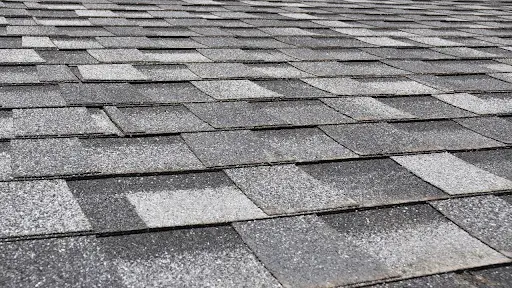
Your roof covers about 40% of your home’s exterior – that’s a significant portion!
The right roof color does more than just look good. A study shows 91% of real estate professionals believe homes with color-coordinated roofs and exteriors are worth more. Lighter roofs reflect sunlight better and keep homes cooler, which could lower your cooling bills in warmer areas.
Picking the perfect roof color can feel like a huge task when you’re planning a replacement or building a new home. The decision involves many factors – from matching your current siding to thinking about your local climate.
Let me walk you through choosing roof shingle colors that match your home’s style, work well in your environment, and might save you money down the road. After reading this piece, you’ll know exactly how to pick a roof color that makes your home look great for years.
Why Roof Color Matters More Than You Think
Your roof’s color does more than just look good—it’s a smart choice that shapes many parts of your home. Let’s look at why you should think over your roof color carefully.
Effect on curb appeal and first impressions
The roof works as a canvas for your home’s exterior and creates either harmony or contrast with your overall color scheme. Your roof can make up to 40% of your home’s exterior look. The right color shapes what visitors and potential buyers think when they first see your home.
Here’s something to note: buyers quickly connect with homes that catch their eye from the driveway. Grays, browns, and earth tones stay popular over time, while trendy colors add unique character. The roof color should match your home’s style and exterior features:
- Black or deep earth tones work best for traditional homes
- Bold, contrasting shades look great on contemporary structures
- Brown-blended shingles tie everything together for homes with multicolored bricks
Effect on energy efficiency and comfort
The roof color does more than enhance looks—it affects your home’s temperature and energy use by a lot. Light-colored roofs bounce more sunlight back and help keep indoor temperatures cooler during hot months. White roofs are great at this, reflecting between 60-90% of sunlight. “Cool colored” products bounce back 30-60%.
Dark roofs soak up heat and can raise your attic temperature by up to 40°F. This helps in cold climates where you need to keep warmth inside. Your choice of roof color changes how much energy you need to heat and cool your home, which shows up in your utility bills.
Long-term value and future flexibility
A well-chosen roof color gives you great returns on your investment. You can get back between 85.9% and 95.5% of what you spend on a new metal roof. This makes it a smart upgrade, whatever your plans are for staying in your home. On top of that, 94% of real estate pros say a color-coordinated exterior raises property value.
Neutral colors appeal to more buyers if you plan to sell later. The best roof color to help you sell ended up being one that matches your home’s exterior while staying widely appealing. Note that a new roof offers peace-of-mind protection—a big selling point that draws in potential buyers.
How to Choose a Roof Shingle Color That Fits
Picking the right roof shingle color needs a balance between looks and function. Natural sunlight affects how colors look throughout the day. Let’s look at ways to make this vital decision.
Align with siding, brick, or stone.
Your home’s exterior materials should guide your roof color choice. Each material brings its own tones and textures that shape your home’s look. Here’s what works best with different materials:
- Brick homes: Red brick looks great with darker tones like black, brown, or charcoal gray. Tan bricks go together with dark brown and warm gray roofs. Gray bricks pair well with black, dark blue, and medium gray options.
- Wood siding: Natural wood needs earthy roof tones such as brown, green, or weathered gray. Cedar shake homes that turn grayish work best with neutral roofing like charcoal gray or slate.
- Stone exteriors: Multi-tonal stone pairs best with multi-colored shingles that share similar colors. Cool-colored shingles like charcoal suit gray/blue-toned stone, while tan/brown shingles match warmer stone.
Warm vs cool tones explained
Colors typically fall into warm or cool categories. Yellow, orange, red, brown, or gold undertones mark warm colors. White, blue, green, or purple undertones define cool colors.
One simple rule makes all the difference: keep your exterior temperatures consistent. Warm-toned roofs match warm-toned siding, and the same applies to cool tones. A cool bluish-gray roof on a warm beige house creates an odd mismatch.
Popular roof color options and trends
Homeowners today are embracing both bold and natural roof colors that strengthen their connection to the environment.
- Classic neutrals: Gray leads the market, with Dove Gray and Charcoal Gray topping the list. Black stands as a timeless choice for sophistication.
- Earth tones: Natural colors like moss green, warm browns, and clay red blend with natural surroundings. Bronze and Medium Bronze mirror nature’s colors, helping homes feel more grounded.
- Blended options: Blended shingles that mix multiple hues add depth and hide dirt better than single colors.
Take time to check samples in natural light. Manufacturer’s visualization tools are a great way to preview colors in your home.
Rules, Climate, and Resale: What to Consider
Your roof color choice goes beyond looks – practical reasons play a big role in the decision. Let’s get into these significant factors before you make your final pick.
Check HOA or community restrictions.
Most neighborhoods with homeowner’s associations (HOAs) have rules about changes to your home’s exterior, including roof colors. These guidelines help maintain the area’s look and protect everyone’s property values. You should check your CC&Rs (Covenants, Conditions, and Restrictions) document for specific roofing rules before buying materials. Breaking these rules might get pricey – you could face big fines or legal issues that force you to redo your roof.
Choose based on local climate.
Where you live should shape your roof color choice:
- Hot climates: Light colors work best since they bounce sunlight away and cut cooling costs
- Cold regions: Darker shades help absorb heat, which helps melt snow and reduces heating bills
- Coastal areas: Soft blues, grays, and whites match the beach setting perfectly
- Wooded settings: Earth tones like green and brown blend naturally with the surroundings
Think about resale and buyer priorities
The roof color you pick now will shape your home’s future sale potential. Neutral colors usually catch more buyers’ eyes. Since your roof makes up about 40% of your home’s exterior appearance, it creates vital first impressions for buyers. The best approach is to match your neighborhood’s style without completely blending in – a roof that stands out too much can hurt your resale value.
Making the Final Choice with Confidence
These final steps will help you choose your roof color with confidence after narrowing down the options.
Use roof color tools and visualizers.
Leading roofing manufacturers provide online tools that show you how different colors look on your home:
- GAF’s Virtual Remodeler lets you upload your home’s photo to preview shingle colors and styles
- Owens Corning’s Design EyeQ® tool gives you a clear picture of how different shingles look on your home
- IKO’s RoofViewer and Style Boards let you try various combinations before you decide
These digital tools show you the result before installation starts, which takes away the guesswork.
Compare samples in natural light.
Digital previews help, but actual samples at your property give you the best idea:
- Get physical shingle samples from your contractor or manufacturers directly
- Look at samples throughout the day since colors change with different lighting
- Put samples next to your home’s exterior and look at them up close and from 15-20 feet away
- Check how the samples look on each side of your house, since sunlight affects each direction differently
Ask your contractor for real-life examples
Contractors with experience can give you great insights:
- Get addresses of nearby homes that have your preferred shingle colors
- Look at photos of their previous projects with similar color schemes
- Many contractors keep portfolios that show how colors look in actual settings
Computer screens often show colors differently than they appear in real life, so physical samples are crucial to your final choice.
Conclusion
The perfect roof color isn’t a While personal preference is important, several factors should guide your roof color choice. Consider your home’s architectural style, exterior materials, local climate, and any homeowners’ association (HOA) restrictions. It’s also wise to think about long-term appeal and energy efficiency when selecting a roof color.
Q5quick decision – it requires careful thought about multiple factors. Your roof makes up almost 40% of your home’s exterior look, making it a vital part of both curb appeal and functionality. The right color choice will affect not just the look but also your home’s energy efficiency, comfort, and property value.
Your home’s exterior materials should point you toward the right roof color. Each type of surface – brick, wood, and stone – just needs specific matching colors to create an appealing look. You’ll want to keep warm and cool tones consistent across your exterior to prevent clashing and create a unified appearance.
Weather patterns will, without doubt, affect your choice. Lighter shades deflect heat in warm climates, while darker ones help melt snow and absorb heat in cold regions. Smart color selection can lower your energy costs and make your home more comfortable year-round.
Smart homeowners check their HOA rules for any color restrictions before making a final choice. You can use visualization tools, look at actual samples in daylight, and ask your contractor to show you ground examples. These steps take away the uncertainty and help build confidence in your selection.
The best roof color creates a natural flow between your house and its environment while showing your unique style. Classic neutrals, earth tones, or mixed colors – your choice will define your home’s character for years. Take time to weigh your options, follow these guidelines, and you’ll pick a roof color that will boost your home’s beauty, efficiency, and value for decades to come.
FAQs
Q1. Does roof color affect energy efficiency?
Yes, roof color can significantly impact energy efficiency. Lighter colors reflect more sunlight and heat, potentially reducing cooling costs in warm climates. Darker colors absorb more heat, which may be beneficial in colder regions. The impact varies based on factors like insulation, ventilation, and local climate.
Q2. What roof color is best for hot climates?
In hot climates, lighter roof colors such as white, light gray, or tan are generally recommended. These colors reflect more sunlight and heat, helping to keep the attic and living spaces cooler, which can lead to reduced air conditioning costs and improved energy efficiency.
Q3. How does roof color affect home value?
Roof color can influence home value, with over 90% of real estate professionals agreeing that a color-coordinated exterior increases perceived property value. Neutral colors like gray, brown, and black tend to have broad appeal and maintain consistent value over time. However, the best color for resale is one that complements the home’s exterior while offering mass appeal.
Q4. Can I choose any roof color I want?
While personal preference is important, several factors should guide your roof color choice. Consider your home’s architectural style, exterior materials, local climate, and any homeowners’ association (HOA) restrictions. It’s also wise to think about long-term appeal and energy efficiency when selecting a roof color.
Q5. How can I visualize different roof colors on my home?
Many roofing manufacturers offer online visualization tools that allow you to upload a photo of your home and preview various shingle colors and styles. Additionally, you can request physical samples from contractors or manufacturers to view in natural light and compare against your home’s exterior.