A new roof can cost anywhere from $5,000 to $45,000—so why not make yours last as long as possible? With proper care, most roofs can last 25–50 years, but poor maintenance can cut that short and lead to costly repairs or early replacement.
This guide covers simple, affordable ways to extend your roof’s life—from seasonal maintenance to professional treatments that could save you thousands in the long run.
Start with Regular Roof Maintenance
Regular maintenance is the lifeblood of a durable roof. Simple upkeep tasks throughout the year help you spot minor issues before they turn into expensive problems.
Inspect your roof and attic every season.
Seasonal inspections play a vital role in early problem detection. Spring inspections reveal damage from winter storms, including leaks, missing shingles, and gutter issues. Your summer checks should target heat damage like cracking, warping, or blistering shingles. The roof needs proper fall maintenance to handle harsh winter conditions by staying debris-free. Winter months require monitoring for ice dams and snow buildup.
The attic often shows early warning signs of roof problems. Look for these signs:
- Water stains or discoloration on ceilings and walls
- Damp insulation or moisture near windows and vents
- Visible light coming through the roof deck
- Signs of mold or mildew growth
Clean off debris, leaves, and moss
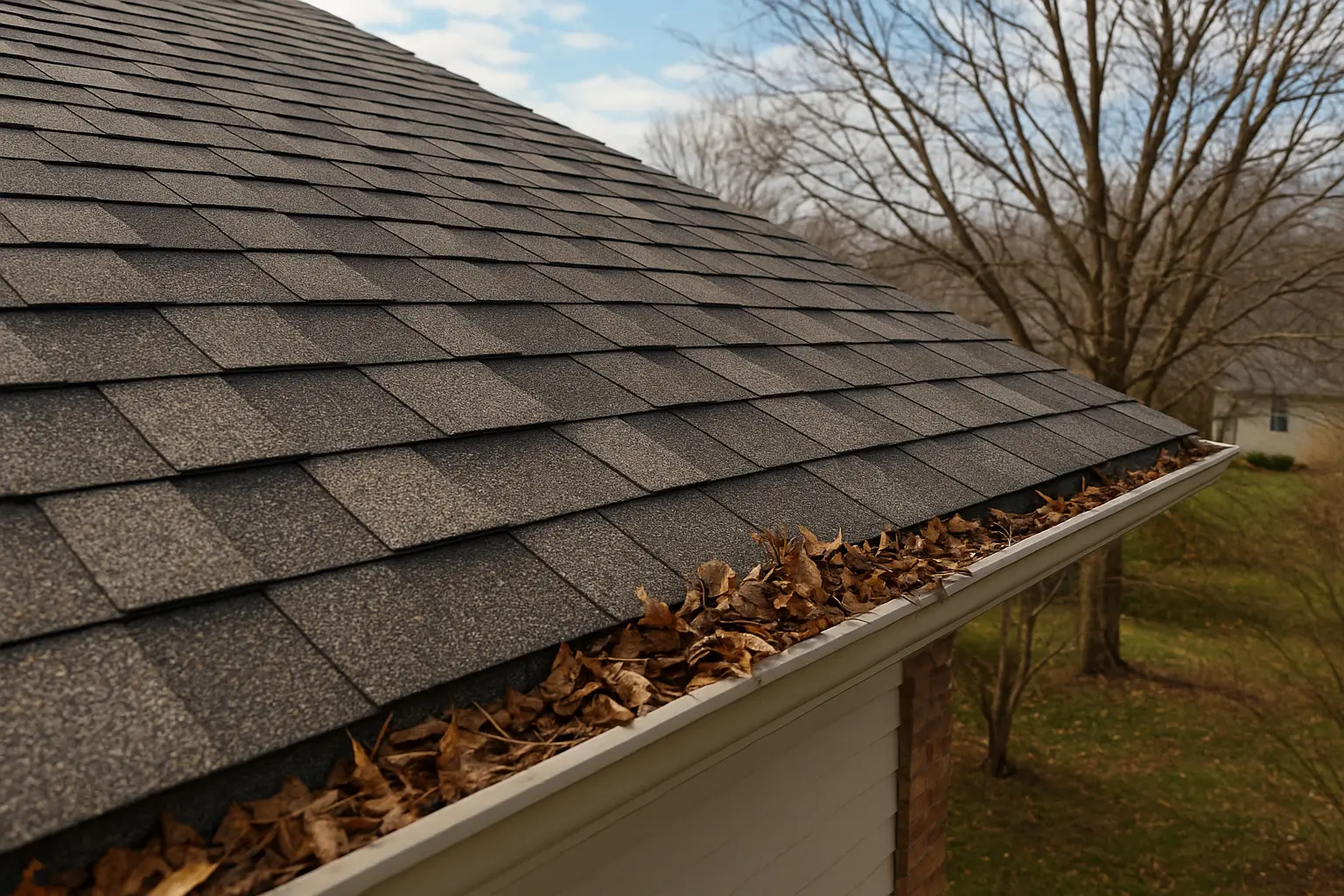
Roof debris creates more than aesthetic issues—it leads to serious damage. Leaves and pine needles trap moisture against shingles and create perfect conditions for mold, algae, and rotting wood. Blocked water drainage from accumulated debris causes leaks and structural damage.
A strong blower removes leaves and debris effectively on low-pitched roofs. Steeper roofs need a roof rake or broom on an extension pole. Your gutters need cleaning at least twice yearly—or every three months with nearby trees—to prevent water backup and fascia board damage.
Check for damaged or missing shingles
Your roof’s integrity depends on regular shingle inspection. Weather extremes and storms can cause:
- Missing or broken shingles that expose the underlayment
- Curling, buckling, or wavy shingles that don’t lie flat
- Cracked shingles that let water seep in
- Excessive granule loss showing as bald spots on shingles
Ground-level checks should include looking for fallen shingles or bare roof patches. Quick repairs or replacement of damaged shingles protect against leaks and prevent further damage.
Protect Against Environmental Damage
Nature can be your roof’s worst enemy. You can add years to your roof’s life and avoid expensive repairs by tackling these outdoor challenges head-on.
Trim overhanging tree branches.
Trees add shade and value to your property. However, they can wreck your roof if you don’t keep them in check. Strong winds can make branches scratch your shingles. This weakens your roofing materials and makes them more likely to leak.
Tree branches should be at least 6-10 feet away from your roof, according to experts.
Untrimmed trees drop leaves and pine needles that clog your gutters and roof valleys. These wet materials create perfect spots for mold, moss, and algae to grow.
Your roof’s life gets shorter as a result. You should get a certified arborist to remove dangerous branches that could break and damage your roof, especially during storm season.
Install and maintain the gutter.s
Your gutters protect your roof by moving water away from your home [link_2]. Water pools on your roof without working gutters and breaks down materials faster. This standing water can rot your roof, damage its structure, and even harm your foundation.
Clean your gutters twice a year, or every three months if you have trees nearby. Gutter guards help keep debris out while letting water flow properly. Your roof will last longer if you keep your gutters working well.
Prevent plant growth like moss and algae.
Moss and algae love damp, shady spots and can cut your roof’s life short. Moss does more than just look bad – its roots damage your shingles by loosening their protective coating. You’ll find it easier to stop these problems before they start.
Here’s how to prevent growth:
- Put zinc or copper strips along your roof’s ridge that wash down when it rains
- Cut back trees to let more sunlight hit your roof
- Use zinc sulfate solution on existing growth
- Look into algae-resistant shingles if you live somewhere humid
Regular roof checks help you spot early signs of growth. This lets you treat problems before they cause serious damage.
Prepare for Seasonal Challenges
Seasonal weather patterns create unique challenges that affect your roof’s structural integrity throughout the year. You can protect your roof and extend its lifespan by taking early action against potential weather damage.
Insulate attic and ceilings to prevent ice dams.
Snow melts on your roof’s warmer sections and refreezes at colder eaves, which creates ice dams that force water under shingles. Your attic’s proper insulation helps keep roof temperatures consistent and stops this damaging freeze-thaw pattern.
Expert recommendations suggest insulation with an R-value of at least R-30. Northern climates benefit more from R-38 or higher ratings. The spots where your roof meets walls need extra attention. These areas often lack sufficient insulation, yet play a vital role in stopping ice dams.
Ensure proper ventilation to reduce moisture.
Good ventilation works with insulation to protect your roof. The average home creates about 6 gallons of moisture each day. This moisture gets trapped in attics with poor ventilation.
Trapped moisture causes condensation, wood rot, and makes insulation less effective. The U.S. Housing Authority suggests 1 square foot of attic ventilation for every 300 square feet of attic floor space. This space should be split evenly between intake and exhaust vents. Natural air flow happens through a balanced system of soffit vents for intake and ridge vents for exhaust. This setup helps control temperature and humidity levels effectively.
Remove snow buildup in winter.
Your roof structure faces extra stress from heavy snow accumulation. Most roofs can support about 20 pounds per square foot of additional weight. Despite that, snow can become dangerous quickly – 10-12 inches of fresh snow weighs about 5 pounds per square foot, while just 3-5 inches of packed snow carries the same weight.
You can safely clear snow using a roof rake with a long telescoping handle from ground level. Leave 1-2 inches of snow instead of clearing down to bare shingles.
Use Treatments and Professional Help
Professional treatments can work wonders to extend your roof’s lifespan beyond basic maintenance. These specialized solutions shield your roof against wear and weather damage.
Apply roof coatings and sealants.
Roof sealants create a waterproof barrier that stops water from seeping in and protects your roofing materials.
You’ll find different formulas that work best for specific roofing materials and weather conditions. Elastomeric coatings can protect your roof for 10-20 years, depending on how thick you apply them. Here are your options:
- Acrylic coatings: These budget-friendly and highly reflective options work great in hot, dry areas
- Silicone sealants: They excel in places with standing water and high humidity
- Polyurethane coatings: Perfect for roofs that need extra protection from heavy foot traffic
Think about roof treatment to extend life
Your roof needs treatment every three to five years, though some situations might need more frequent care. A quick treatment right after repairs helps protect weak spots.
The reflective coatings do double duty – they can cut your cooling costs by up to 20% by bouncing back 80-90% of harmful UV rays. These coatings also help you avoid getting pricey tear-offs, so you can reuse existing materials and help the environment.
Schedule annual professional inspections.
Think of annual roof inspections like your roof’s yearly checkup – they catch problems early. Expert inspectors look at everything from shingles and flashing to vents, gutters, and attic insulation.
These checkups save you money by spotting small issues before they turn into major headaches. You’ll get detailed reports about your roof’s condition that come in handy for warranty claims or home sales.
Conclusion
Smart roof maintenance is a cost-effective way to protect one of your home’s biggest investments. Simple actions like seasonal inspections, gutter cleaning, and shingle repairs can prevent minor issues from turning into major damage. Keeping trees trimmed and stopping moss or algae growth also helps extend your roof’s lifespan.
Investing in professional treatments and annual inspections adds long-term value. Instead of spending $5,000 to $45,000 on early replacement, you can maintain your roof for just $700 to $1,200. A little care today saves you thousands tomorrow—and ensures your roof stays strong for years to come.
FAQs
Q1. How long can I expect my roof to last?
The average lifespan of a roof is between 25 to 50 years, depending on the material used and how well it’s maintained. Regular care and maintenance can significantly extend this lifespan.
Q2. What are some effective ways to protect my roof from environmental damage?
Key strategies include trimming overhanging tree branches, maintaining clean and functional gutters, and preventing moss and algae growth through proper ventilation and treatments.
Q3. How often should I have my roof professionally inspected?
It’s recommended to schedule annual professional roof inspections. These check-ups can identify potential issues early, saving you money on costly repairs in the long run.
Q4. Can roof coatings and treatments really extend the life of my roof?
Yes, roof coatings and treatments can significantly extend your roof’s lifespan. They create a waterproof barrier, reflect harmful UV rays, and can add 5 to 15 years to your roof’s life with regular applications.
Q5. What are some important seasonal maintenance tasks for my roof?
Seasonal maintenance includes inspecting for damage after winter, cleaning debris in spring and fall, ensuring proper attic insulation and ventilation year-round, and safely removing snow buildup in winter.