A surprising 47% of U.S. homes have visible mold or a moldy odor.
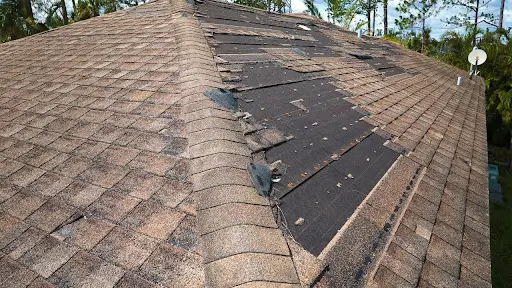
Your roof’s protection depends on understanding why mold grows on roof shingles. Roof mold appears as black, green, or bluish-green discoloration or streaks and grows in shaded, moist conditions. Trapped moisture serves as the primary catalyst, especially in areas without direct sunlight.
Black and green mold on roof shingles creates more than aesthetic issues. These organisms can weaken your shingles if left untreated. They cause premature aging, rotting, and granule loss. Green mold on roof shingles typically results from algae growth. A specific cyanobacterium called Gloeocapsa magma causes this issue. This organism starts in fresh water and uses photosynthesis for energy.
Mold affects more than your roof’s appearance. It can damage the structure beneath and cause leaks, wood rot, and expensive repairs. The damage might become irreparable if mold continues to spread. Regular maintenance, cleaning, and proper roof care protect your roof’s longevity and prevent mold growth.
This piece explores why mold grows on roof shingles and provides working strategies to protect your home from damage.
What Causes Mold to Grow on Roof Shingles
Mold runs on specific conditions that many roofs provide. You can protect your home better by understanding these factors.
Lack of sunlight and shaded areas
Your roof’s sections with limited sunlight stay damp longer, creating perfect conditions for mold to grow. North-facing slopes get less direct sunlight and remain damp longer than other sides. Trees that hang over your roof block significant UV rays that naturally stop mold from growing. Buildings or structures nearby can create the same issue by blocking sunlight. The sun’s rays play a vital role in evaporating moisture after rain.
Moisture buildup from poor drainage
Mold growth on roof shingles starts with excess moisture. Clogged gutters or downspouts create water pools on your roof that have nowhere to go. The trapped water moves beneath shingles and leads to mold growth and structural rot. Roofs with minimal slope allow water to collect instead of draining quickly. You need regular gutter maintenance to prevent water buildup that creates damp spots where mold can grow.
Algae and organic debris accumulation
Your shingles can trap moisture from fallen leaves, twigs, and organic matter that feeds mold. These materials create a fertile breeding ground as they break down. Black streaks from algae hold moisture on shingles, making it easier for mold colonies to form. Gloeocapsa magma, a blue-green algae, appears as black streaks in humid climates and gets worse over time.
Inadequate attic ventilation
Warm, moist air gets trapped in poorly ventilated attics and causes condensation under your roof. Your everyday activities, l ike cooking and showering, add moisture that builds up without proper airflow. Cool roof sheathing leads to condensation and mold growth. Mold can grow even in attics that meet ventilation codes if the design is wrong or insulation blocks the airflow.
How Mold Affects Your Roof and Home
Roof mold does more than just look bad. These harmful organisms can quietly damage your home’s structure and put your family’s health at risk if left untreated.
Shingle damage and roof leaks
Mold breaks down roofing materials as time passes. It feeds on limestone filler in asphalt shingles and makes them weak, cracked, and they end up failing. The damage starts before you can see any signs. Mold traps moisture against shingles once it takes hold. This speeds up their breakdown and creates perfect conditions for leaks. Water then seeps beneath the protective barrier and can damage your roof’s wooden structure.
Reduced roof lifespan
Your roof’s lifespan gets substantially shorter when mold takes over. These organisms trap moisture against surfaces and age materials that should last through years of weather exposure. The mold’s growth cycle doesn’t just harm the outer layer – it goes deeper and affects your entire roofing system’s structural integrity. This guides you toward expensive repairs or full replacement much sooner than expected.
Health risks from airborne spores
The CDC reports that mold exposure can trigger respiratory symptoms like a stuffy nose, sore throat, coughing, and eye irritation. People with asthma or allergies might have severe reactions and asthma attacks. The risks get worse if you have a compromised immune system – these individuals might develop serious lung infections from exposure. The EPA points out that touching or breathing in mold spores can cause allergic reactions in sensitive people.
Spread of mold into the attic and walls
Mold won’t stay on your roof’s exterior. It starts growing within 24-48 hours of moisture exposure. You can’t see it at first, but it spreads faster through your home. The mold becomes firmly rooted after about 12 days, though still hidden. Visible signs show up around day 18, but by then, spores might already be living in your attic, ventilation system, and wall cavities. Warm air rises through the stack effect and carries mold spores throughout your house. This compromises your home’s indoor air quality everywhere.
7 Ways to Stop Mold on Roof Shingles
Black and green streaks on your roof? Here are seven practical ways to stop mold before it starts.
1. Trim overhanging branches
Your roof needs sunlight to stay dry. Tree branches that cast shadows create perfect conditions for mold to grow. A good trim allows sunlight to reach your shingles and helps them dry quickly after rain. This simple task stops mold from thriving in shaded, damp spots. Cutting back branches also reduces debris that can trap moisture against your roof.
2. Clean gutters regularly
Blocked gutters make it hard for water to drain properly. This trapped moisture becomes a breeding ground for mold. Most experts say you should clean your gutters twice a year. Homes near trees might need more frequent cleaning. Well-maintained gutters keep water moving away from your roof and foundation, which reduces the chance of mold growing on your shingles.
3. Improve attic ventilation
A poorly ventilated attic holds warm, humid air that turns to moisture on your roof’s underside. Some ventilation systems meet building codes but still don’t work well enough. The best setup uses both soffit vents (intake) and ridge vents (exhaust) to control humidity and stop condensation that can cause mold.
4. Use algae-resistant or luxury shingles
Modern shingles now come with copper or zinc granules that naturally stop algae and mold growth. These materials disrupt mold before it can take hold. You’ll find options like CertainTeed’s StreakFighter, GAF’s StainGuard Plus, and Owens Corning’s StreakGuard™ technologies. Each one helps prevent those ugly black streaks on your roof.
5. Apply mold-resistant roof coatings
Protective coatings create a shield against moisture while stopping mold growth. Silicone coatings work great against mold and mildew without using harmful chemicals. They create a smooth surface that water can’t collect on, giving your shingles lasting protection against black mold.
6. Install zinc or copper strips
Metal strips along your roof’s ridge let rain spread tiny metal particles across your shingles. Copper works better than zinc – it protects up to 15-20 feet downslope, while zinc covers about half that distance. Rain releases metal ions that stop algae, moss, and mold from settling in.
7. Schedule annual roof inspections
A professional can spot problems early. They check everything from ventilation to water damage that might let mold grow. Getting an inspection after severe weather adds extra protection by finding damage that could let moisture seep in.
How to Remove Black or Green Mold Safely
Black or green mold on your roof shingles needs quick removal to stop further damage. You can get rid of these unwanted growths with the right techniques and safety steps.
DIY cleaning with bleach or TSP
Mix one part bleach with one part water to remove the mold. A stronger solution works better – combine one quart of bleach, one gallon of water, and ¼ cup trisodium phosphate (TSP). The best way to apply this mix is with a pump sprayer. Work your way from top to bottom so you don’t lift the shingles. The solution needs 15-20 minutes to work before you rinse it off with water. TSP by itself (½ cup TSP to 2 gallons of water) can beat tough mold stains that other cleaners couldn’t handle.
Safety gear and precautions
Your safety comes first when cleaning a roof. You’ll need this basic protection:
- Waterproof gloves and non-slip footwear
- Respirator mask and protective eyewear
- Long-sleeved clothing and pants
Plants and surfaces near the roof need covering and pre-rinsing to avoid damage from chemical runoff. Steep roofs call for a safety harness, too.
When to hire a professional
Your roof might need expert help if it’s too steep, has lots of mold, or shows signs of leaks. Professional roof cleaners bring specialized equipment and know-how to remove mold safely without damaging your roof or risking injury.
Avoiding pressure washers
Pressure washers might seem like a good choice, but they’ll wreck your roof shingles. The high pressure tears off protective granules and forces water under the shingles. Most manufacturers won’t honor warranties if you use them. Soft washing at low pressure (50-150 PSI) with proper cleaning solutions works much better.
Conclusion
Black or green streaks on your roof need quick action and prevention to deal with mold on shingles. Mold affects your roof’s looks and structure, and it can harm your family’s health. You need to act fast to protect your investment.
Good maintenance will defend your roof against mold. Simple jobs like trimming branches, cleaning gutters, and keeping your attic well-ventilated stop mold from growing. On top of that, you could add algae-resistant shingles or zinc strips during your next roof replacement to guard against future mold.
Note that moisture lets mold grow and spread. Better drainage and airflow around your roof will cut down the chance of mold taking hold. A yearly roof check helps spot problems before they turn into costly repairs or health risks.
If you find mold growing on your shingles, you’ll need to remove it safely. DIY cleaning might work for small patches, but big mold problems need professional help. Just don’t use pressure washers – they’ll damage your shingles and might void your warranty.
Your roof shields everything in your home. Time spent preventing and treating mold will keep your house safe, beautiful, and strong for years. These strategies will help you curb mold on your roof shingles and protect one of your home’s most valuable parts.
FAQs
Q1. How can I prevent mold growth on my roof shingles?
To prevent mold growth, ensure proper roof ventilation, trim overhanging branches, clean gutters regularly, and consider installing algae-resistant shingles or zinc strips. These measures help reduce moisture and create an environment less conducive to mold growth.
Q2. What is the best way to clean mold off roof shingles?
A mixture of bleach, water, and trisodium phosphate (TSP) is effective for cleaning mold off shingles. Apply the solution with a pump sprayer, let it sit for 15-20 minutes, then rinse thoroughly. Always wear protective gear and avoid using pressure washers, which can damage shingles.
Q3. Can mold on roof shingles cause health problems?
Yes, mold on roof shingles can pose health risks. Airborne mold spores can cause respiratory issues, allergic reactions, and more severe problems for individuals with compromised immune systems. It’s important to address mold growth promptly to protect your family’s health.
Q4. How often should I inspect my roof for mold?
It’s recommended to schedule annual roof inspections to catch early signs of mold growth and other potential issues. Additionally, perform visual checks after severe weather events or seasonally to identify any developing problems.
Q5. Will installing new gutters help prevent mold on my roof?
While new gutters alone won’t completely prevent mold, they can significantly help by improving drainage and reducing moisture buildup on your roof. Ensure gutters are properly sized, installed correctly, and cleaned regularly to maximize their effectiveness in preventing conditions that promote mold growth.