
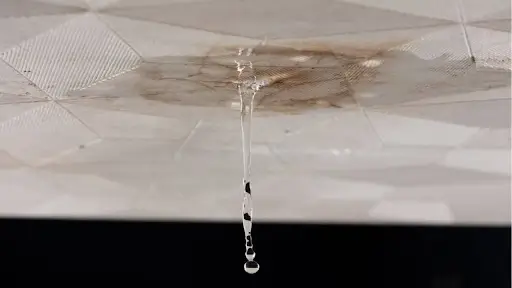
Heavy rain can unleash thousands of gallons of water onto your roof in minutes—are you ready? That small ceiling stain could be the first sign of a serious leak. Left unchecked, roof leaks during storms can lead to mold, structural damage, and costly repairs.
This emergency guide shows you how to spot early warning signs and take fast action to protect your home when the rain won’t stop.
Know the Early Signs of a Leaky Roof
Roof problems can cost you thousands in repairs if you don’t catch them early. Your home sends several warning signals before water starts dripping through your ceiling during a storm.
Water stains on ceilings or walls
Water stains are the most obvious sign that your roof has sprung a leak. These stains show up as yellowish-brown spots in circular or irregular patterns. You might spot them near corners, light fixtures, or ceiling fans at first. The stains that grow larger after rain point to water getting in from above. Your roof needs immediate attention if you see stains spreading across ceilings or running down walls. Waiting too long can seriously damage your home’s structure.
Peeling paint or bubbling wallpaper
Paint that peels or wallpaper that bubbles tells you water has found its way into your walls. Water breaks down the adhesive that holds paint and wallpaper to surfaces. These signs usually mean water has been seeping in for a while, and your drywall might already show damage. A fresh coat of paint or new wallpaper won’t fix anything if your paint cracks or wallpaper blisters. You need to find and repair the leak first.
Musty odors in attic or upper rooms
Your attic or upper rooms might smell musty because of hidden moisture. Leaks create perfect conditions for mold and mildew to grow. These fungi can start growing in as little as 24-48 hours after water gets in. The earthy smell gets stronger during or after rain. You should check your roof and attic spaces right away if you notice a damp, mildew smell that stays around.
Granules in gutters or missing shingles
Heavy rain washes granules into your gutters when shingles start breaking down. Some granule loss happens naturally, but too much means your roof needs work. Experts say your roof’s life shortens when approximately 12-15% of a shingle’s surface granules fall off. Missing or damaged shingles leave weak spots where water gets in during storms. You can prevent leaks by checking for cracked, curled, or missing shingles after bad weather.
Understand What Causes Roof Leaks in Rain
Learning about why roof leaks happen helps you tackle problems early. Water can get into your roof during heavy rainfall through four common ways.
Worn or missing shingles
Shingles become brittle and break down as they age, which creates weak spots where rainwater can get in. When shingles reach the end of their life, they dry out and become easy targets for damage in long rainstorms. The protective qualities break down after many storms and hot days, and water starts seeping through. Strong winds can rip shingles right off your roof, leaving open spaces where water freely enters your home. A new shingle installation costs between $200-$700.
Clogged gutters and downspouts
Your gutter system is a vital part of directing water away from your house. Water can’t flow properly through downspouts when gutters get packed with leaves and debris. The water then backs up onto the roof and collects in low areas until it finds its way under the shingles. Standing water creates pressure during heavy rain and forces moisture through even the smallest roof cracks. Experts suggest cleaning gutters twice a year—in spring and fall—which costs $200-$400.
Damaged flashing around chimneys or vents
Flashing is the foundation of waterproofing where different roof parts meet. You’ll find these thin metal strips around chimneys, vents, skylights, and roof valleys. The flashing can wear out from rust, develop cracks, or come loose if not installed correctly. Even tiny holes in flashing give water enough space to get in during heavy rain. Fixing cracked or missing flashing usually costs between $300-$1,000.
Poor attic ventilation or insulation
Bad attic ventilation sets up perfect conditions for roof leaks. Warm, humid air gets stuck in your attic without proper airflow and creates condensation that damages roof decking from below. Winter makes things worse when poor ventilation causes uneven roof temperatures. This leads to ice dams—where melted snow freezes again at the eaves and forces water under shingles. These moisture issues lead to mold and structural rot that can damage your whole roof system.
What to Do When Roof Leaks in Rain
A leaking ceiling needs quick action to limit the damage. Quick response can save thousands in repairs and stop dangerous mold from growing.
Locate the leak safely if possible
Your attic inspection should happen during daylight with a strong flashlight. The underside of the roof deck and rafters might show water stains, dark spots, or mold growth. Wet surfaces become very slippery, so never walk on a wet or unstable roof. Safety demands that you avoid areas with electrical wiring. The power should be off in affected areas if water nears outlets or fixtures. Water typically moves from its entry point before dripping down. A careful inspection around chimneys, vents, and pipes might reveal compromised flashing.
Contain water and protect belongings
Place buckets or containers under dripping water right away to minimize interior damage. Large leaks need garbage pails with wheels because they hold more water and empty easily. A bulging ceiling with collected water needs a small hole in its center. Use a screwdriver to channel water into one controlled stream. Your furniture, electronics, and valuables should be moved away from wet areas. Heavy items need waterproof tarps or plastic sheeting if you can’t move them. Air circulation from fans helps wet areas since mold can begin forming within just 24-48 hours after water exposure.
Call a roofing professional for inspection.
DIY fixes offer only temporary solutions, so professional help becomes vital. A roofing expert should check your home if water pours actively inside, leaks appear near electrical wiring, bad weather approaches, or your roof shows signs of sagging. Take photos of all damage for insurance purposes while waiting for professional help. Professional repairs prevent minor issues from becoming structural problems, electrical hazards, or dangerous mold situations.
How to Prevent Roof Leaks Long-Term
Preventing roof leaks is nowhere near as economical as fixing water damage later. Your roof’s lifespan can be substantially extended through proactive maintenance that protects your home from unexpected leaks during heavy rainfall.
Schedule seasonal roof inspections
The National Roofing Contractors Association suggests bi-annual roof inspections, especially in spring and fall. Regular checkups help spot minor issues before they get pricey to repair. A professional roofer should inspect your roof at least once yearly. On top of that, you need immediate inspection after major storms since these weather events often cause damage you might not notice right away.
Clean gutters and trim overhanging branches
Your gutters need cleaning at least twice yearly to stay debris-free. Water backs up under shingles when clogged gutters block proper drainage. Trees need their branches kept 6-10 feet away from your roof. This space prevents storm damage and reduces shade that helps moss thrive.
Check flashing and seals after storms
Storm damage requires careful inspection of all flashing around chimneys, vents, and skylights. Water tends to seep in, especially when you have damaged areas. Well-maintained flashing guides water away from critical roof openings.
Improve attic ventilation and insulation
Good attic ventilation stops moisture from building up and causing structural damage with mold growth. Continuous airflow comes from a well-laid-out system with soffit and ridge vents. Your attic needs R-38 insulation (about 18 inches). This setup keeps your attic cool during summer and prevents ice dams in winter.
Conclusion
Roof leaks can seriously damage your home’s structure when heavy rain hits. Water stains, peeling paint, or musty odors are early warning signs that could save you thousands in repairs. Damaged shingles, clogged gutters, faulty flashing, or poor ventilation often cause these leaks – fixing them early prevents bigger problems later.
Water coming through your ceiling needs quick action. Try to find the leak source safely if you can. Put containers under drips to protect your belongings. Call a professional roofer right away, especially when water pours faster or gets close to electrical systems.
Your best defense against future leaks is prevention. Regular seasonal checks, clean gutters, well-maintained flashing, and proper attic ventilation reduce your risk of water damage by a lot. These steps help your roof last longer and protect your home even in the heaviest rain.
Note that a small drip today could become tomorrow’s emergency. Your roof protects your home from nature’s elements first. Taking these preventive steps and knowing what to do in a crisis will keep your family’s property safe from leak damage for years.
FAQs
Q1. How can I identify early signs of a roof leak?
Look for water stains on ceilings or walls, peeling paint or bubbling wallpaper, musty odors in the attic or upper rooms, and granules in gutters or missing shingles. These are common indicators of potential roof leaks.
Q2. What are the main causes of roof leaks during heavy rain?
The primary causes include worn or missing shingles, clogged gutters and downspouts, damaged flashing around chimneys or vents, and poor attic ventilation or insulation. These issues can allow water to penetrate your roof during rainfall.
Q3. What immediate steps should I take if my roof starts leaking during a storm?
First, try to locate the leak safely if possible. Then, contain the water using buckets or containers and protect your belongings by moving them away from affected areas. Finally, call a roofing professional for inspection and repairs.
Q4. How often should I have my roof inspected?
It’s recommended to schedule bi-annual roof inspections, typically in spring and fall. Additionally, arrange for an immediate inspection following major storms to identify any potential damage.
Q5. What long-term measures can I take to prevent roof leaks?
Regularly clean your gutters, trim overhanging branches, check flashing and seals after storms, and improve attic ventilation and insulation. These preventive measures can significantly reduce the risk of roof leaks and extend your roof’s lifespan.