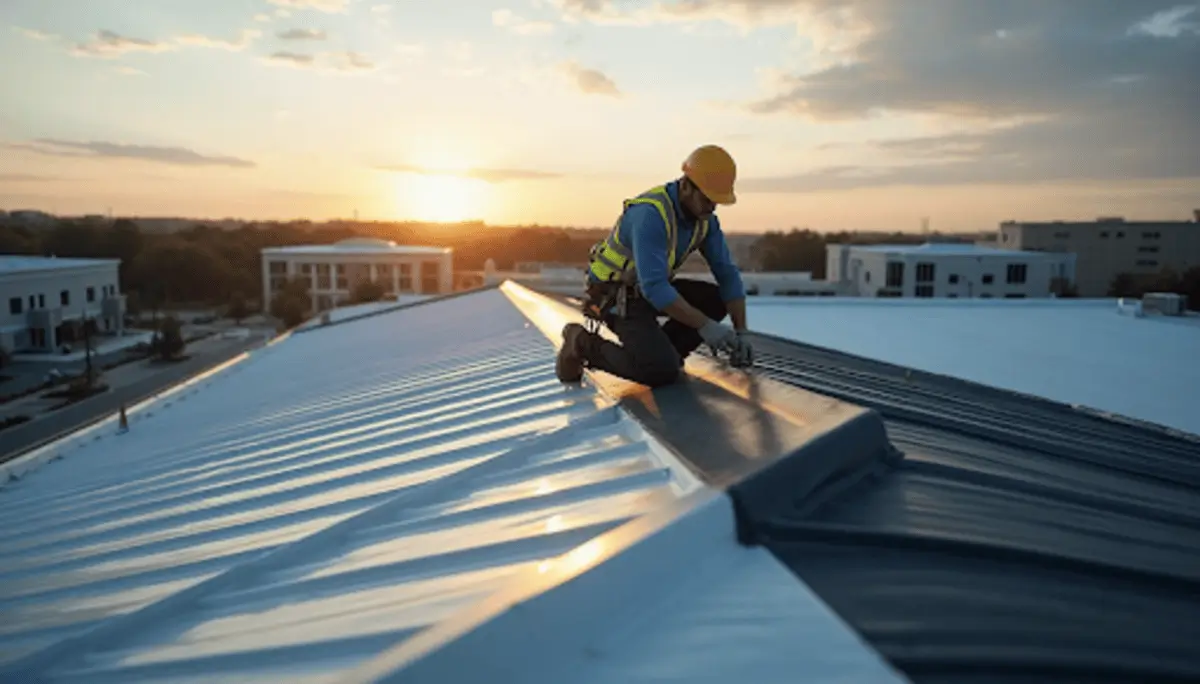
Homeowners sometimes find it hard to pick the appropriate low-slope roof options. Because of their little steepness, these roofs—whose pitch is less than 3:12—demand particular materials to prevent water from seeping through. The most typical low slope roof today ascends merely ¼ inch upward every 12 inches of horizontal run.
Though it presents particular difficulties for homeowners, low-slope roofing is most effective in dry environments. Water often collects on these rooftops and, absent appropriate materials, may leak. Proper upkeep can extend the life of built-up roof membranes to 20–30 years; PVC roofing provides great energy efficiency and longevity for up to three decades. Let’s look at the top roofing options for low-slope uses. Your options range from cost-effective EPDM that lasts over 20 years to temperature-resistant Modified Bitumen. Understanding which materials work best in specific situations will help you choose a solution that combines durability, cost, and performance for your low-pitch roof.
What is a Low Slope Roof and Why Does It Matter
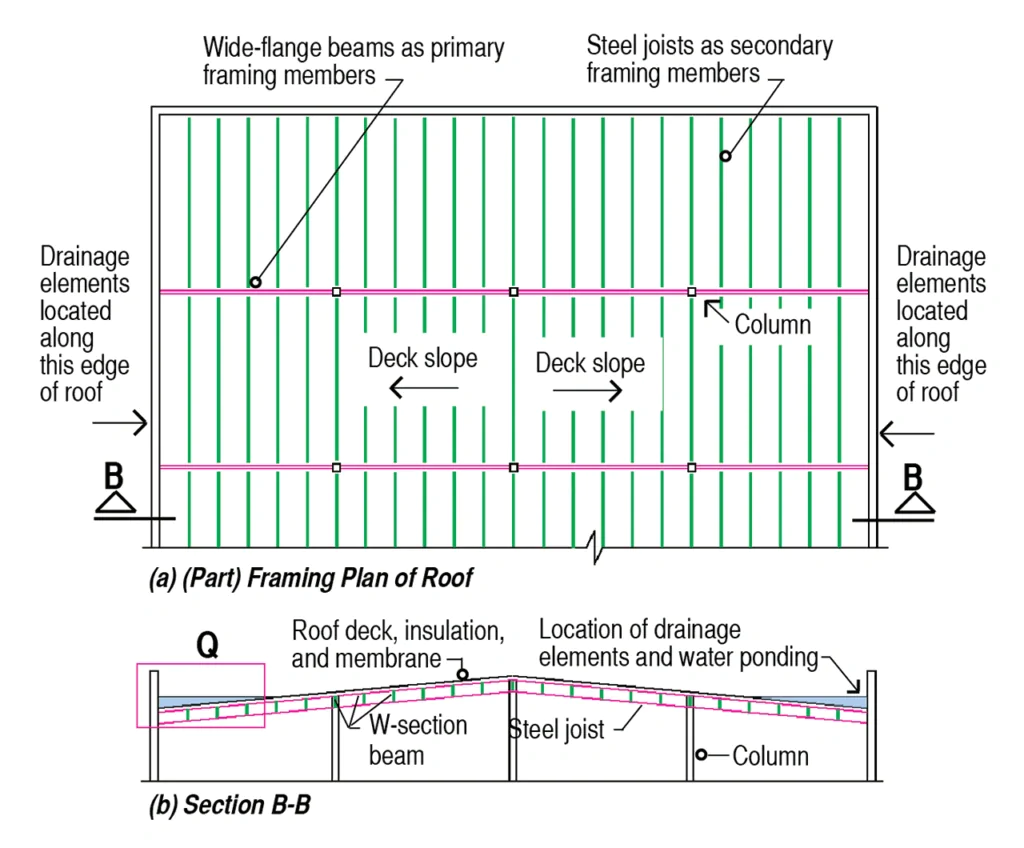
Your roof’s architecture plays a vital role in making smart decisions. A low-slope roof is a unique system that stands apart from traditional steep-sloped options.
Definition and pitch range
Low slope roofs have a gentle incline that typically ranges from 1:12 to 4:12. This means they rise between 1 and 4 inches for every 12 inches of horizontal distance. Most building codes and roofing experts call any roof with a pitch less than 3:12 a low-slope roof. The minimal incline creates a distinctive profile that might look almost flat from far away, yet it drains water well enough.
Today’s lowest-sloped roofs commonly have a slope of ¼-inch vertical rise for every 12 inches of horizontal run. This slight pitch helps prevent “ponding” or water buildup that can damage materials or cause ice problems during freeze-thaw cycles.
Difference between flat and low-slope roofs
People often mix up flat and low-slope roofs, but they’re quite different. A flat roof isn’t flat – it has a very slight slope, usually less than 1:12. Flat roofs typically have a pitch of only ¼ to ½ inch per foot. You probably wouldn’t notice this slope with your naked eye.
Flat roofs need special drainage solutions because water sits on them longer than standard sloped roofs. Low-slope roofs drain better, though not as well as steeper ones, thanks to their more noticeable pitch.
Common uses in residential and commercial buildings
Low-slope roofing systems have gained popularity in homes and businesses alike. Commercial buildings benefit greatly – they get an extra usable floor. These roofs hide big mechanical equipment like HVAC units well, which saves valuable indoor space.
Large structures like warehouses and shopping centers work really well with low-slope designs. These roofs also make great platforms to install modern technology like solar panels and green roofing systems.
Homeowners choose low-slope roofs to add architectural interest. They work especially well in cold climates and areas with lots of rain. Single-family homes and condos benefit from their versatility and good looks.
Low-slope roofs use less material than steep-slope options, which makes them budget-friendly and perfect for bigger buildings.
Top 6 Low Slope Roofing Materials Explained
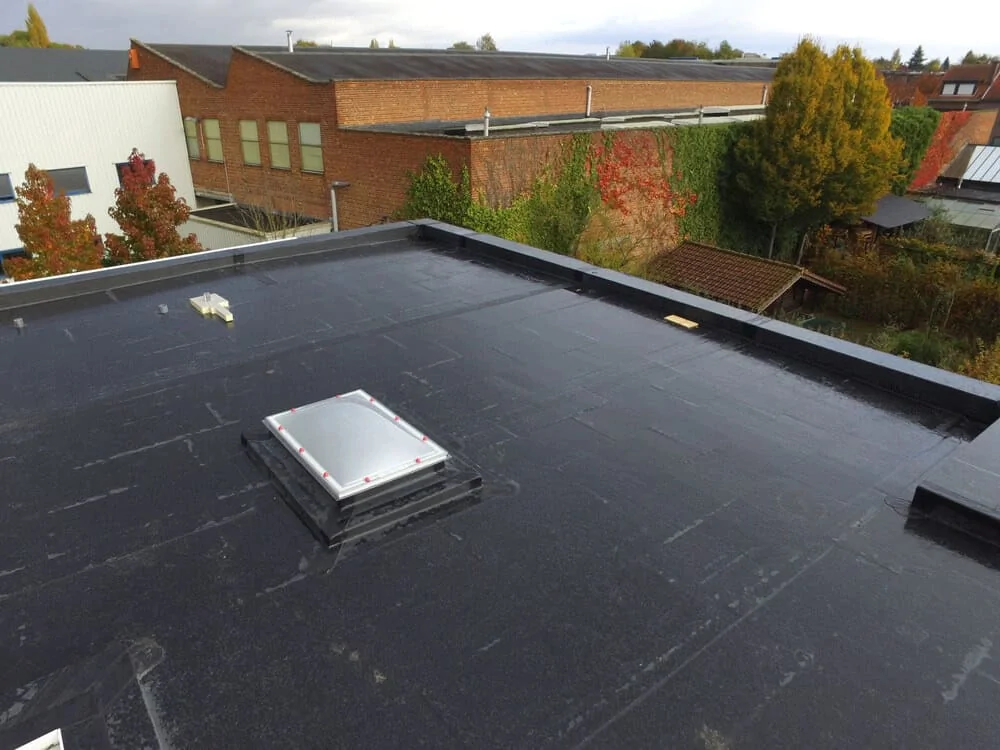
Picking the right material for your low-slope roof means you need to know the best options in today’s market. Each material works best in specific situations and weather conditions.
Built-Up Roofing (BUR)
People often call it “tar and gravel” roofing. Built-Up Roofing uses alternating layers of bitumen and reinforcing fabrics with gravel on top. This layered system has protected buildings for more than a century and does an excellent job of keeping water out. A well-installed and maintained BUR system usually lasts 20-30 years. The multiple layers provide great durability and insulation, which makes it perfect for buildings that need resilient protection against tough weather.
Modified Bitumen
Modified bitumen emerged from traditional BUR systems in the 1970s. It uses asphalt mixed with rubber or plastic to create better performance. This advancement led to a membrane that flexes better and handles big temperature swings. You’ll find two main types of modified bitumen: SBS (styrene-butadiene-styrene), which flexes well with temperature changes, and APP (atactic polypropylene), which stands up better to UV rays. These systems typically last about 20 years when maintained properly.
EPDM Membrane
EPDM (ethylene propylene diene monomer) comes as a synthetic rubber membrane in black or white. This very tough “bulletproof rubber roof” has served American buildings for more than 50 years. Black membranes soak up heat rather than reflect it. This makes them better suited for garages or non-living spaces than living areas. A good EPDM installation lasts 25-30 years, and some manufacturers say it could last up to 50 years.
TPO Membrane
TPO (thermoplastic polyolefin) has grown popular as a single-ply white membrane in homes and businesses. Its white surface reflects heat and helps cut cooling costs in warmer areas. TPO looks and installs like PVC and usually lasts about 25 years when installed correctly. It works well on low-slope roofs above living spaces where you want to reflect heat.
PVC Membrane
PVC (polyvinyl chloride) roofing uses a single-ply white membrane that bounces heat away instead of absorbing it. PVC roofs have proven themselves since the 1960s and resist chemicals, fire, and punctures well. This membrane helps keep rooms cooler in summer months, which makes it great for low-slope roofs above living spaces. A well-installed PVC roof typically serves 20-30 years.
Standing Seam Metal
Standing seam metal roofing connects panels at the seams, which lets them expand and contract. Low slope applications need a double lock mechanically seamed system to maximize weather protection. Beyond just working well, standing seam looks great and comes in more colors. This tough option usually lasts 30 years or more, sometimes reaching 50 years in the right conditions. It costs more than membrane options, but its long life and good looks make it worth thinking about if you want a premium low-slope solution.
Pros and Cons of Each Roofing Material
Low-slope roofing materials each have unique strengths and limits that shape their performance and value. You’ll make better choices for your needs once you understand these differences.
Durability and lifespan
Built-Up Roofing (BUR) lasts 20-30 years and gives great protection against weather damage with proper care. Modified bitumen roofs last 10-20 years, which is shorter than other options. Standing water can make them break down faster.
EPDM roofs stand out because makers say they can last up to 50 years. These roofs handle UV rays, harsh temperatures, and wear and tear really well. TPO membranes usually last 10-20 years, but newer versions make it hard to know exactly how long they’ll hold up.
PVC membrane roofs typically last 20-30 years. They resist chemicals, UV rays, and weather damage well. Standing seam metal roofs can last an amazing 50-100 years under the right conditions.
Installation complexity
Modified bitumen’s installation is pretty simple because it comes in easy-to-install rolls. BUR systems need more work to install, which can make them cost more upfront.
Single-ply membranes like EPDM and TPO are easier to install because they have fewer seams. All the same, proper installation matters for every material. Metal roofing’s soldering process needs an expert contractor to bond all seams properly.
Cost and maintenance
The upfront costs of low-slope roofing vary based on your choice of material. TPO roofs cost less than systems like BUR and modified bitumen that need more labor. EPDM offers good protection that lasts long and doesn’t need much upkeep.
Each type needs different maintenance. Metal roofs look great, don’t need much upkeep, and last very long. Built-up roofs don’t cost much to maintain, but they might cost more to install than other types.
Climate suitability
The local climate plays a big role in how well these materials work. EPDM handles heat better than materials like TPO. It doesn’t shrink or expand much when temperatures change. Metal roofs excel in tough weather and resist high winds, heavy snow, and wildfires.
PVC and TPO membranes work great in warmer areas because their reflective surfaces cut cooling costs. Modified bitumen handles big temperature swings well and flexes better than regular BUR systems.
Key Considerations Before Choosing a Material
Choosing the right low-slope roof requires more than a simple comparison of materials. Your specific needs will determine the best roofing system through several key factors.
Roof deck compatibility
The structural roof deck forms the foundation of your roofing system and needs careful evaluation. Roofing experts classify decks as either bailable or non-nailable, which directly shapes the attachment methods that work for your insulation and membrane. A proper roof design must handle deflection, component anchorage, dimensional stability, and fire resistance. Some membranes also need specific deck types to keep warranty coverage valid.
Foot traffic and usage
Your low-slope roof’s biggest threat comes from foot traffic. These roofs don’t handle heavy foot traffic well. Regular walking damages the roof through mechanical stress, abrasion, water ingress, and insulation compaction. Areas that need regular access should have permanent walkway systems or work blankets between tools, feet, and the roof surface. Some materials handle traffic better than others. A coverboard beneath your membrane creates a durable layer that resists foot traffic while protecting your insulation’s R-value.
Energy efficiency and UV resistance
Energy-efficient roofs (cool roofs) bounce more sunlight back and absorb less heat than standard roofs. These roofs’ high solar reflectance and thermal emittance help keep roof temperatures lower on hot days. Light-colored roofs reflect more sunlight and reduce heat absorption in hot climates. Different materials provide varying levels of UV protection—asphalt, to name just one example, stays stable even with big temperature changes.
Budget and long-term value
Key cost factors include:
- Original installation costs
- Long-term maintenance needs
- Expected lifespan
- Energy savings potential
The cheapest option upfront may not save money in the long run. Your roof needs yearly inspections to catch problems before they become expensive repairs. Roofing experts agree that good maintenance of your low-slope system greatly affects its service life, reliability, and performance.
Making Your Final Decision: Balancing Performance and Value
Your specific circumstances and priorities will determine the best low-slope roofing material for your needs. Each option works well in different situations.
Built-Up Roofing gives you tough, multi-layer protection, and Modified Bitumen flexes better when temperatures change. EPDM is a budget-friendly option that handles heat really well and lasts long. TPO and PVC membranes reflect heat better than others, which makes them perfect for saving energy in warm climates. Standing seam metal costs more upfront but lasts longer and looks better than all other options.
The material choice is just one part of the equation. Your roof deck must match well with the material you pick. The amount of foot traffic on your roof will affect how the material holds up over time. Smart budgeting means looking at both current costs and future expenses – the cheapest option now might drain your wallet later.
For Portland homeowners weighing low-slope roofing options, River City Roofing recommends TPO or standing seam metal for our rainy climate, combining weather resistance with energy efficiency. To guarantee peak performance, our qualified installers guide you through roof deck compatibility, material selection, and long-run value. Remember—correct installation by Northwest Experienced experts maximizes your roof’s lifespan.
FAQs
Q1. What is considered a low-slope roof?
A low-slope roof typically has a pitch ranging from 1:12 to 4:12, meaning it rises between 1 and 4 inches for every 12 inches of horizontal distance. Most building codes consider any roof with a pitch less than 3:12 as a low-slope roof.
Q2. What are the most common materials used for low-slope roofs?
The most common materials for low-slope roofs include Built-Up Roofing (BUR), Modified Bitumen, EPDM Membrane, TPO Membrane, PVC Membrane, and Standing Seam Metal. Each material has its own set of advantages and is suitable for different situations.
Q3. Low-slope roofs often last how long?
Low-slope roofs have different lifetimes depending on the material utilized. Typically lasting 20–30 years, PVC and TPO membranes can last up to 50 years. Under the best conditions, standing seam metal roofs could endure 50–100 years. Maximizing the life of any roofing material depends on good maintenance.
Q4. Are low-slope roofs energy efficient?
Some low-slope roofing materials, like TPO and PVC membranes, are highly energy efficient due to their reflective properties. These “cool roofs” reflect more sunlight and absorb less heat, which can help reduce cooling costs in warmer climates.
Q5. What should I consider before choosing a low-slope roofing material?
Key considerations include roof deck compatibility, expected foot traffic, climate suitability, energy efficiency requirements, and your budget for both initial installation and long-term maintenance. It’s also important to factor in the material’s durability and lifespan to determine its overall value.