Ever stared at a small pipe sticking out of your roof and wondered why it’s even there? I remember doing that after a heavy rain, squinting up like it was some kind of mystery gadget.
The trouble is, when that little piece doesn’t work right, leaks sneak in, stains show up, and suddenly you’re hunting for buckets. Most folks never notice the issue until water is already messing with their day.
This guide clears things up by showing you exactly what a roof boot is and why it matters more than it looks. We’ll keep it simple so you can spot problems early and avoid a pricey repair later.
What is a Roof Boot?
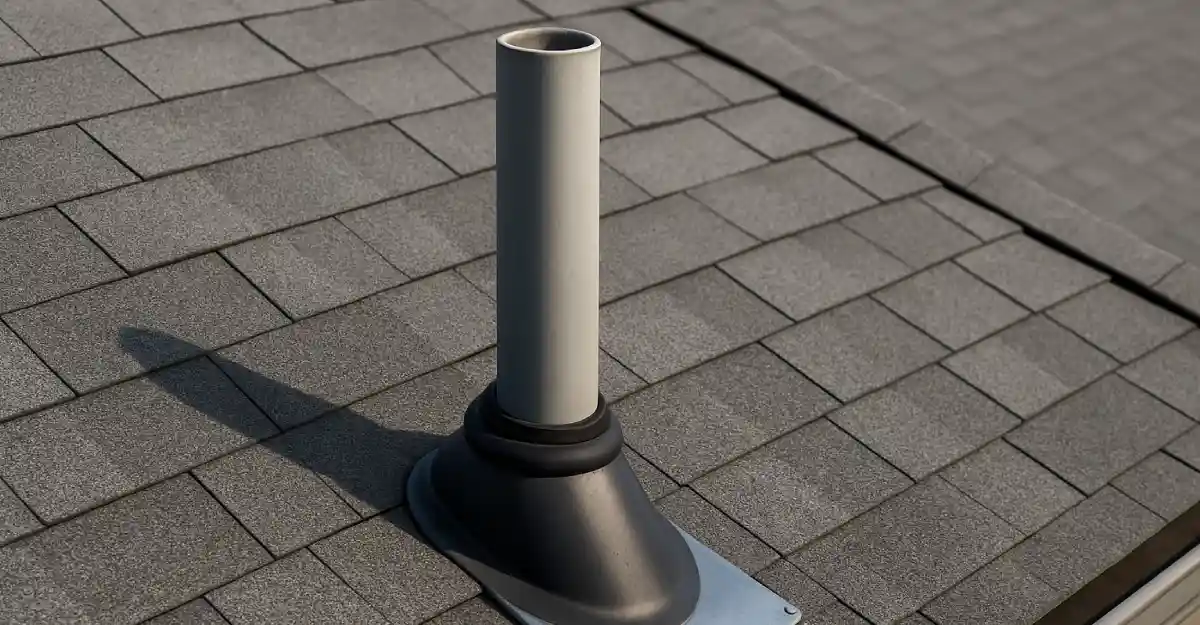
A roof boot is a small cover that seals the gap around a vent pipe on your roof. It works like a tight collar that blocks rain from sliding into your home. You barely notice it, but it handles an important job.
You’ll find it sitting at the base of the pipe that sticks through your shingles. It stays low so water flows around it, not inside. You can usually spot it from the yard if you look closely.
Most boots use rubber or silicone because they flex with heat and roof movement. Some older roofs use metal boots, though those can rust over time. Knowing what you have helps you catch problems early.
Why Roof Boots Matter for Your Home
Roof boots do more than they look. They wrap the plumbing vent pipe and seal the gap around it. Without that seal, water sneaks in and starts trouble fast.
They guard the vent pipe by blocking rain and harsh weather from the pipe’s base. When the boot stays tight, the vent keeps airflow steady, and your plumbing works clean.
A solid boot also stops leaks at the pipe opening. That spot fails often because it’s tiny and easy to overlook. If the seal holds, water can’t slip under shingles or run down the pipe.
Most boots last 10–15 years. Sun, storms, and age wear them out sooner. Check yours sometimes, so small cracks don’t turn into soggy ceilings.
Signs Your Roof Boot Needs Attention
Water Stains on Ceilings
See a brown ring on the ceiling? That’s often a leak starting near the boot. Check it soon.
Musty Smells Around Bathrooms or Laundry Areas
A damp, musty scent usually means hidden moisture. Follow the smell and inspect the vent area.
Visible Cracks or Gaps Around the Boot
If the boot looks cracked or pulled away, it’s not sealing anymore. Even a small gap lets in water.
Roof Debris or Shingles Lifting Near the Pipe
Shingles lifting around the vent pipe point to trouble. Wind and water slip in fast when things loosen.
Repair or Replace? How to Decide
Deciding to repair or replace a roof boot comes down to the damage you see. You want a fix that actually stops leaks, not a patch that buys a little time.
Repairs make sense when the crack is small or the sealant just wore out. You can tighten a loose clamp or refresh sealant without much trouble.
Replacement is safer when the boot is split, brittle, or pulled away from the shingles. If water reached the flashing, a repair won’t hold.
Repairs usually stay cheap. Replacement costs more but still lands in a normal range for most homes.
Move fast. Early fixes stop leaks before they reach insulation or drywall, and that prevents expensive headaches later.
How to Pick the Right Roof Boot
Choosing the right roof boot gets easier when you focus on three basics.
1. Choose a material that fits your conditions.
Rubber works for mild weather but cracks faster in strong sun. Silicone handles heat and cold better. Metal lasts longest, though it needs careful installation.
2. Match the boot size to your vent pipe.
Measure the pipe before buying. A loose boot leaks, and a tight one tears. Bring a quick photo if you’re unsure.
3. Pick what survives your climate.
Storm-heavy areas need sturdier flashing. Hot regions need materials that don’t bake apart. Cold zones do best with flexible silicone.
Conclusion
A roof boot looks tiny, but it protects one of the most vulnerable spots on your roof. When it fails, water finds its way in fast, and you end up dealing with repairs you never planned for. That’s why knowing what it does and checking it now and then gives you a real edge.
Take a minute and look at your roof when you can do it safely. You don’t need fancy tools. Just notice if the boot looks cracked, loose, or a bit off. Catching small stuff early saves you grief later.
If you want to keep learning, stick with guides like this and build a simple routine for roof care. It doesn’t need to be complicated, and you’ll feel more in control of your home.
And if you spot anything that worries you, or you’d rather let a pro handle it, contact River City Roofing. We’ll help you sort it out without the runaround.
Comments are closed