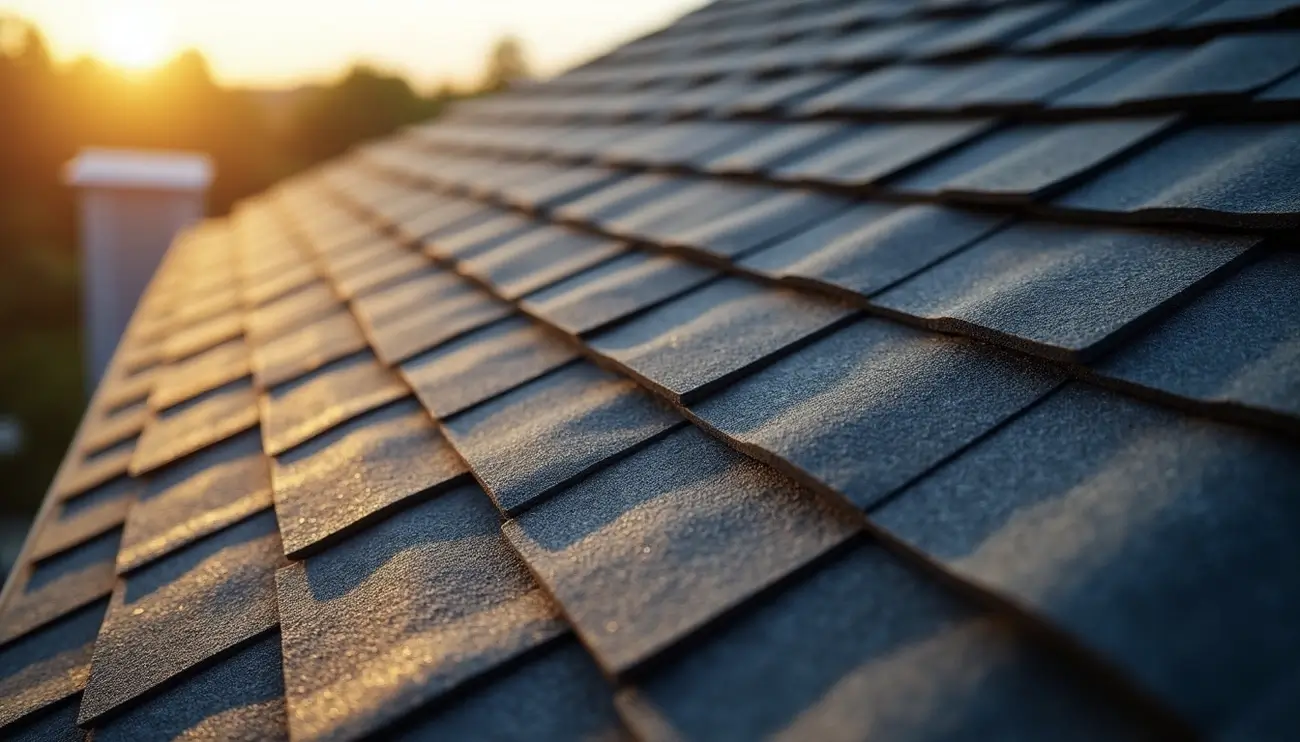
Considered the most popular in the roofing industry, asphalt shingles currently account for more than 70% of the residential roofing in North America. With differences in price and quality, it usually creates confusion and anxiety for homeowners wishing to replace or install a new roof. The solution? This guide and of course the River City Roofing experts will manage the entire process.
We at River City Roofing are here to educate homeowners on all aspects of Traditional (3-tab), Architectural, Premium, and Performance shingles. Here, you will find one of the key factors: understanding what type of asphalt shingle is best for you and your home, whether strong winds, torrential rain, or simply wanting to add curb appeal. Read more, then look to the sidewalks for River City Roofing to provide you with possibly the most important assistance-an expert opinion or free inspection.
Understanding Asphalt Shingles, Terms and Language:
There are all sorts of jargon professionals use to depict types of asphalt shingles, and knowing what they mean will put you in a better position to assess the next great project you have coming up.
What are composition shingles?
Composition shingles bring more than one kind of material into a single product. Not like slate shingles which are made entirely with slate, composition shingles involve different components. Up to the present day asphalt shingles are modern composition shingles since they combine a fiberglass mat, asphalt coating, and mineral granules.
What gives these shingles their name of “composition” is that they are made of various materials. Their style of construction is quite different from single-material choices, which would be wood shake shingles or clay tiles. The fiberglass gives the shingles strength, asphalt makes them waterproof, while the granules protect against UV radiation and give colour options.
Manufacturers some decades ago would use cellulose (plant-based) materials, though these organic-based options do not exist today.
Asphalt vs fiberglass base
Modern roofing shingles are based on organic asphalt or fiberglass. The organic asphalt shingle contains 40% more asphalt by weight than fiberglass shingles, making them heavier and thicker than the fiberglass alternatives. Added weight helps get better performance and hold proper weathering. The downside? These absorb more water and may warp away with time.
Fiberglass shingles utilize a woven fiberglass mat bonded together with resins. These shingles are lighter and faster to install. The enclosed fiberglass core does not ignite, hence the best-fireproofing. Though, they at least cost $6.00 per square foot against $3.00 for asphalt; however, they tend to last twice longer.
Common synonyms and naming confusion
Certain roofing terms tend to cut across, creating confusion for homeowners:
- Composite/composition shingles- Both terms mean asphalt shingles; however, sometimes composite shingles refer to synthetic shingles made from a mix of materials.
- Architectural shingles-also referred to as dimensional or laminated shingles.
- 3-tab shingles-named for three tabs on an individual strip of shingles.
- Laminated shingles-these are shingles with multiple layers making them thick.
Contractors might call all these variations “fiberglass shingles” since they usually have a fiberglass base. Different regions, contractors, and manufacturers use the nomenclature differently. Knowing such differences puts the client in a better position to interact with his contractor and make the necessary comparison of quotes.
There Are Four Main Types of Asphalt Shingles:
Asphalt shingles have indeed come a long way through time. The present market encompasses various categories for different needs, budgetary concerns, and stylistic preferences. Homeowners wishing for a roof replacement can select from these choices, each having its own advantages.
1. Traditional (3-tab) shingles
These are essentially one-layered asphalt shingles with three tabs of identical size that give an overall flat look like slate when they are positioned over the roof. A finished installation shows a pattern of perfect rectangles on your roof. These bright shingles ruled over the last few years, and yet these have now been outdone in the market by more recently adopted styles.
You can find traditional shingles for about $4.00 per square foot and therefore are considered the cheapest roofing material. Durable up to 20 years, these shingles carry limited 25-year warranties. Their overwhelming affordability and installation convenience are, however, tarnishing with most of the manufacturers phasing out the market for them. A lot of winds can cause extreme damage to them, and annual cleaning is a must.
2. Architectural (dimensional) shingles
Other kinds that were called architectural shingles made a difference decades ago and have been on the market since the year 1980. Shingles thus fused together with two or more layers of asphalt create the eye-catchy thicker and almost dimensional items that are often designed to imitate wood shakes or natural slates.They’ve become the top choice among homeowners and make up about three-quarters of all roofing sales.
Dimensional shingles cost around $5.86 per square foot. They typically serve you well for 22-25 years and include 30-year warranties. The extra thickness helps them stand up better to weather and adds visual appeal. These shingles hit the sweet spot between cost and performance.
3. Premium (luxury) shingles
Luxury shingles firmly claim the first spot on the desirability list of homeowners who want nothing but the best for curb appeal and durability. High-end products have the thickest profiles that look almost identical to slate or wood shake roofing.
They are priced between $8.00-$10.00 per square foot. These shingles can protect your home for 30 years or more and, with the right conditions, sometimes for 40-50 years.
Their weight and thickness make them tough against wind and impact damage. The higher cost pays off through longer life and better looks for your home.
4. Performance shingles
Performance shingles pack special technologies that tackle specific environmental challenges. These features often show up in architectural or luxury shingles rather than standing alone as a separate type.
The market offers several specialized options. Impact-resistant shingles use reinforced backing or rubberized polymers. Wind-resistant products come with warranties up to 130 mph. Some shingles resist algae with special granules that prevent black streaks, while others focus on fire resistance. Many earn a Class 4 Impact Resistance Rating, which might help you save on insurance.
Performance Shingles and Their Specialized Features
Performance shingles are high-tech roofs designed with specific solutions for given environmental problems from specially designed improvements therein. These new-age asphalt shingles possess features unlike standard types and help protect homes better from damage.
Impact-resistant shingles
Relying on their polymer-modified asphalt construction, typically with styrene-butadiene-styrene rubber, impact-resistant shingles endure hail damage. The change in structure produces flexible shingles that can endure impact without cracking or splitting.The rating system has these categories:
- Class 1: Withstands 1.25-inch steel ball dropped twice in same spot
- Class 2: Withstands 1.50-inch steel ball dropped twice in same spot
- Class 3: Withstands 1.75-inch steel ball dropped twice in same spot
- Class 4: Withstands 2.00-inch steel ball dropped twice in same spot
Class 4 provides the highest level of protection. Manufacturers like IKO offer products such as Nordic shingles with this rating. Homeowners can save between 5-35% annually on insurance premiums when they install impact-resistant roofing.
Wind-resistant shingles
Wind-resistant shingles provide vital protection against uplift in storm-prone areas. Owens Corning’s SureNail® technology delivers 130 mph warranty performance with better nail-pull resistance. GAF’s Timberline HDZ shingles feature LayerLock Technology and Dura-Grip sealant that come with unlimited wind speed warranty for 15 years.
Algae-resistant shingles
Blue-green streaks that discolor many roofs come from algae growth. Manufacturers have developed special granules to prevent this issue. The StreakFighter® of CertainTeed and the StreakGuard® technology of Owens Corning use copper-lined granules slowly released to prevent algae formation. These generally come with a warranty of 10-15 years against algae discoloration due to blue-green algae.
Fire-resistant shingles
Asphalt shingles’ fire ratings fall into three categories, with Class A offering the best protection. Fiberglass-based shingles usually achieve Class A ratings because of their non-combustible core. This rating shows the shingles can handle severe fire exposure without igniting. Class B shingles protect against moderate exposure, while Class C provides simple resistance.
Performance shingles cost 10-25% more than standard options, but their specialized protection features often justify this premium for homeowners who face specific environmental challenges.
Accessory Shingles and Roof System Components
A complete roof system needs more than just the main shingles. Quality accessory parts are a great way to get protection in vulnerable areas where standard shingles can’t do the job alone.
Hip and ridge shingles
Hip and ridge cap shingles shield your roof’s most vulnerable spots – where two roof planes meet to create peaks and angles. Unlike standard asphalt roof shingles, these special parts can bend over angular features and keep water out.
These products do two jobs: they stop water from getting in at high-stress areas and make your roof look better. GAF’s Z®Ridge caps look like thick wood shakes while keeping leaks away. A well-installed hip and ridge cap creates a tight seal that stops wind damage in exposed areas. They stand up to high winds better than modified 3-tab shingles.
Starter strips and their role
Starter strip shingles work as the first layer of roofing at eave and rake edges. Their main goal is to prevent blow-offs and keep water out at these weak points. The sealant in these strips forms a vital base layer that keeps your shingles secure in high winds.
Professional roofers always use proper starter strips rather than cut standard shingles. This placement will give a correctly positioned adhesive. IKO’s Leading Edge Plus starter strips come with a middle perforation that creates two starter strips per shingle, making installation quick.
Why underlayment and flashing matter
Underlayment acts as your backup water barrier and protects the roof deck when moisture gets past your shingles. You can choose between two main types: traditional felt (asphalt-saturated paper) or synthetic underlayment.
Felt underlayment costs less upfront, but synthetic options bring better value. They resist tears, weigh less (up to four times lighter than felt), and repel water instead of soaking it up. Synthetic underlayment’s slip-resistant surfaces also make work safer during installation.
Flashing protects spots where different parts meet, like valleys, chimneys, and vents. Leaks will happen without proper flashing installation where shingles meet walls or other structures. Yes, the statement is worth noting that in many cases good flashing will outlive the roofing material itself, making it an excellent investment into the future of your roof.
Conclusion
Choosing asphalt shingles is a matter of far more than just appearance; it affects the preservation, vector control capability, and long-term value of the home. In terms of these options, there is something for every budget, beginning with low-cost 3-tab shingle types to high-performing storm-resistant alternatives. Accessories such as starter strips, underlayment, and hip and ridge caps equipped with flashing complete the system to ensure its total and permanent protection.
River City Roofing has cottoned on to what it is you want: Whether it be impact resistance, wind durability, or greater curb appeal, we can aid in your decision. Our crew will go over the pros and cons of each category from A to Z to ensure that the roof system is installed right the first time. River City Roofing guarantees a whole lot more than just shingles; we guarantee assurance. Let us start to build your next roofing project with complete comfort.
FAQs
Q1. What are the most common types of asphalt shingles?
The most common types of asphalt shingles are: 3-tab or “traditional,” architectural or “dimensional,” premium or “luxury,” and performance shingles. Each one has its very own pros and cons, especially regarding durability, aesthetics, and various features.
Q2. How long do asphalt shingles generally last?
This lifespan varies according to type. Conventional 3-tab shingles usually last for around 20 years. Architectural shingles typically range from 22 to 25 years. Premium shingles will last usually over 30 years with an ideal lifespan between 40 to 50 years.
Q3. What are performance shingles and what are the benefits associated with them?
Performance shingles are formed by a specialized asphalt shingle that aims to reduce specific environmental challenges. Depending on the sort of performance shingle, features will include impact resistance for hail protection, wind resistance for storm-prone areas, algae resistance to avoid color changing, and a burst-out enhanced fire-resistance.
Q4. Is anything else needed for a full roof system?
Indeed, the roof system specification is not just the main shingles; hip and ridge shingles go above the tops of roofs; starter strips for the eaves and rakes; underlayment for the several ceilings and, in addition, flashing to protect many other vulnerable junction points, among others.
Q5. Differentiate organic asphalt from fiberglass-based shingles?
Organic asphalt shingles are somewhat denser since they are high asphalt content; therefore, heavy and heavy-duty shingles offer good performance against severe backward weather conditions, but they do tend to warp. Fiberglass-based shingles, on the other hand, are lighter and almost float while having better fire resistance. Though pricey, hence durable and perhaps lasting much longer than many common asphalt shingles, fiberglass shingles tend to be among the best.