
Your home’s appearance and curb appeal will change significantly based on your choice between vertical vs horizontal siding. Most Americans prefer horizontal siding, though vertical siding has emerged as a modern choice for residential homes. Many homeowners struggle with this decision during their renovation or building projects.
The choice goes beyond looks. Cost and maintenance needs should shape your decision. Installation costs less with horizontal siding because it’s light and flexible. Vertical siding proves easier to clean, but costs more due to extra labor and materials. This piece explores key differences between these siding styles and shows you how to mix them for custom designs. You’ll learn which style matches your home’s architectural character best.
Understanding the Basics of Siding Styles

Siding styles shape your home’s exterior personality and protect it from the elements. Let’s look at the key differences between vertical and horizontal siding options.
What is horizontal siding?
Horizontal siding, also known as lap or clapboard siding, runs from side to side with planks that overlap each other from bottom to top. American homes have featured this classic style for hundreds of years. The boards create a timeless linear look by overlapping each other across your home’s exterior.
Your home gets both protection and style from horizontal siding. When it rains, the overlapping design naturally channels water away from your home’s structure.
The horizontal family includes several styles:
- Traditional lap (smooth, uniform appearance)
- Dutch lap (featuring a concave face and notch)
- Beaded seam (with decorative beaded edges)
- Log lap (mimicking natural logs)
What is vertical siding?
Vertical siding runs straight up and down. While barns and commercial buildings used it first, homeowners now love this style too. Board and batten, the most popular vertical design, uses wide boards with narrow strips (battens) that cover the seams between panels.
This style emerged as a better option than log cabins in America. Nordic European buildings inspired its design, and it became popular here in the mid-19th century. Farmers loved using it on barns because it was cheap, easy to install, and kept structures well-isolated. Ultramodern board and batten combines rustic charm with contemporary style. Its perpendicular lines cast murk that adds character to plain walls. Contractors now have further creative freedom since they can use wide panels as the main siding with ornamental battens.
Visual differences between the two
The most egregious difference lies in how they run — vertical siding goes side-to-side while perpendicular siding runs up-and-down. This creates two distinct looks: Vertical siding gives homes a classic, dateless appearance that works well with numerous architectural styles from social to puritanical. Houses look wider and further, based on this style. Vertical siding creates a bold, ultramodern look that helps homes stand out. It makes structures appear high, perfect for single-story homes that need a height boost. Both styles come in colorful accoutrements like vinyl, wood, fiber cement, and esstoneEach material offers its unique look, continuity, and conservation requirements.
Pros and Cons of Each Siding Style
Choosing between siding options becomes easier once you understand what each style can and can not do. Let’s look at how perpendicular and vertical siding mound up against each other.
Advantages of horizontal siding
Horizontal siding stands as the classic choice for homes. Its timeless look makes it a safe bet that won’t go out of style. Future buyers tend to love this traditional style if you’re planning to sell your home down the road.
The price tag is one of its biggest selling points. You’ll spend less on horizontal siding than vertical options because it needs fewer materials and is easier to install. Contractors know these installation methods better, too, which means quicker work and lower labor costs.
Drawbacks of horizontal siding
This popular choice isn’t perfect. Water damage poses the biggest risk. Gaps between horizontal panels can trap water that might leak into your home’s structure. These moisture traps could lead to mold, rot, and costly repairs over time.
Keeping horizontal siding clean isn’t always easy. You’ll need special tools to stop water from getting stuck in the seams. This becomes a real issue if you live somewhere with lots of rain or snow.
Advantages of vertical siding
Vertical siding catches everyone’s eye with its distinctive look. The clean lines make houses appear taller and more sophisticated. This style helps your home stand out if you want to be different from your neighbors.
The best part? Water runs straight down these panels and away from your house. This design cuts down on water damage risk by a lot. Cleaning becomes a breeze, too – just spray with your garden hose and let gravity work its magic. People love this feature, especially in areas that see heavy rain or dust.
Drawbacks of vertical siding
Installation costs are the main drawback here. Vertical siding needs furring strips under the panels to line up correctly. This extra step adds to your material and labor costs, making it pricier than horizontal options.
Resale value is another thing to think about. Not everyone loves the less traditional look of vertical siding. Your home’s marketability might take a hit when it’s time to sell, depending on what buyers in your area prefer.
Cost, Installation, and Maintenance Comparison
Money and practicality help homeowners pick their siding style. Each option comes with its own price tag, setup needs, and how well it holds up over time.
Vertical vs horizontal siding cost breakdown
The budget tells a clear story about these siding choices. You’ll pay $4.00 to $12.00 per square foot for vertical siding, while horizontal siding costs $3.00 to $11.00 per square foot. The price gap comes mostly from how they’re installed, not the materials themselves. Vertical siding just needs extra furring strips under each panel, which bumps up both material and labor costs. This means you’ll likely spend more on vertical siding even with similar materials because of these extra parts.
Installation complexity and time
These styles need different setup approaches. Contractors start at the bottom and work their way up with horizontal siding. Vertical siding takes more skill and prep work. Installers must add furring strips to create a flat surface. Without these strips, your siding might show bumps and dips. Horizontal siding remains the easier and budget-friendly choice.
Long-term maintenance needs
Each style brings its benefits when it comes to upkeep. Water runs straight down vertical siding, which makes cleaning a breeze. A quick spray with your garden hose usually does the trick. Horizontal siding tends to collect more dirt in its grooves and needs a deeper clean. Wood siding needs fresh paint every five to ten years. Fiber cement lasts longer, going over twenty years between paint jobs.
Durability and weather resistance
The weather shapes how long your siding will last. Vertical siding handles water better because it channels moisture downward. This works great in rainy areas. Horizontal siding stands strong but can face moisture problems like rot and mold, especially where panels meet. All the same, both styles can protect your home for 20 to 40 years if you take good care of quality materials.
Design Fit and Mixing Styles for a Custom Look
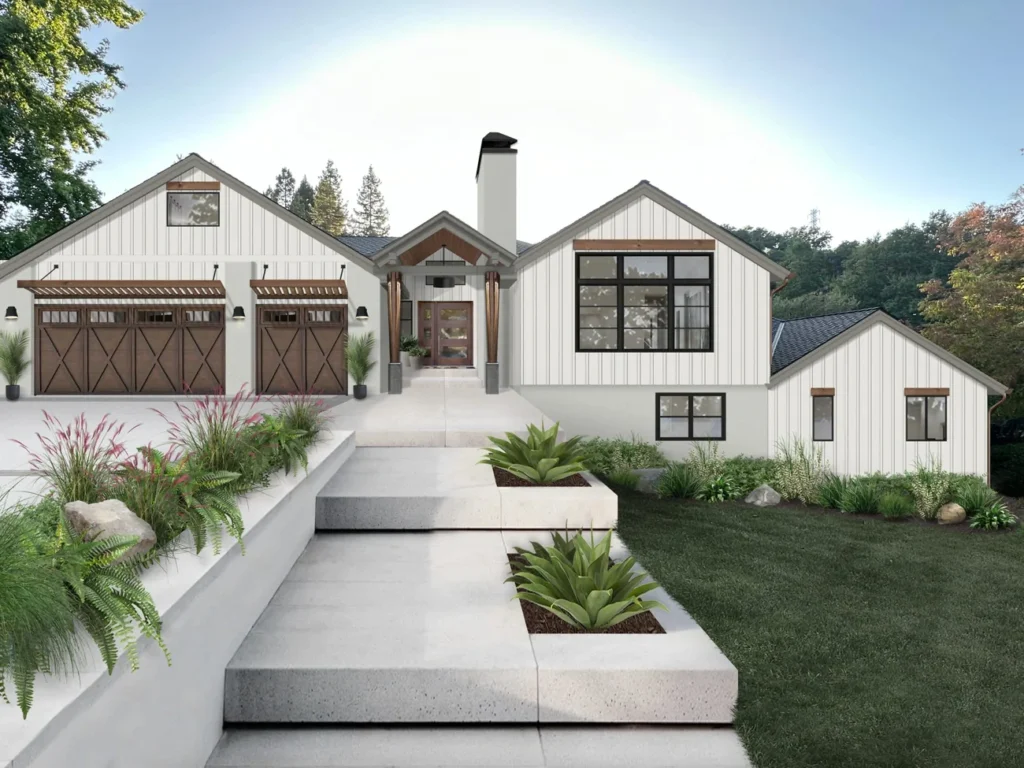
Your home’s character can change dramatically with the right siding orientation. The architectural style of your house will determine whether vertical or horizontal designs will boost your property’s unique features.
Which siding fits traditional homes?
Horizontal siding looks best on traditional homes. Colonial, Victorian, and many other classic American architectural styles feature horizontal lap siding that creates a timeless look. Clean, overlapping lines of horizontal siding complement these homes’ symmetrical facades and formal elements. Horizontal siding remains the standard choice that appeals to homeowners nationwide.
Which siding suits modern or rustic homes?
Modern builds shine with vertical siding that creates clean lines and emphasizes height and contemporary design elements. Board-and-batten vertical siding works especially when you have modern farmhouses, adding both dimension and rustic charm. Cape Cod-style architecture and rustic homes look more authentic with vertical orientation. Smaller homes can appear larger with vertical siding because upward-flowing lines create an optical illusion.
Mixing vertical and horizontal siding on a house
A growing trend combines both orientations to break up monotony and create visual interest. The main body frequently features vertical siding while perpendicular accentuations punctuate architectural features like gables, dormers, or entries. This placement draws eyes to your home’s distinctive rudiments and maintains facade balance. You should use one harmonious material when mixing exposures to ensure everything looks cohesive.
Examples of houses with vertical siding
Modern farms show perpendicular board- and- batten with essence roofing that creates a contemporary yet rustic sense. Spanish-style homes occasionally pair perpendicular cedar with traditional stucco to produce textural discrepancy. Contemporary designs with clean lines and minimum decoration stand out with perpendicular siding that highlights their architectural simplicity.
Tips for combining styles effectively
Your facade needs evenly distributed siding types to maintain balance. Vertical siding can highlight your best architectural features. The same material type throughout keeps the look cohesive, even with changing orientations. Large wall sections broken up with contrasting siding add dimension without looking disjointed.
Making Your Final Decision
The choice between perpendicular and vertical siding ends up depending on what you specifically need and your prprioritiesVertical siding brings a distinct appeal and costs less, which makes it ideal for traditional homes and budget-conscious systems. Vertical siding gives you better water operation and a distinctive look that improves ultramodern and rustic architectural styles.
Your local climate should shape your choice. Homes in rainy areas do better with vertical siding’s natural water-shedding abilities. Drier regions give you more options to work with. Money plays a big role, too. Vertical installations cost $1-2 more per square foot because they need extra materials and specialized labor.
These options differ substantially in their upkeep needs. Vertical siding stays cleaner with less effort since water naturally washes dirt downward. The beautiful horizontal styles just need more thorough cleaning to stop buildup in their overlapping seams.
One exciting approach mixes both styles strategically. This creates visual interest and showcases your home’s best features. Many homeowners now put horizontal siding on main walls with vertical accents on gables or entryways. A custom look that makes their home stand out. When deciding between perpendicular and vertical siding, River City Roofing recommends considering Portland’s unique climate and architectural styles. Our siding specialists can help you choose the perfect exposure — whether you prefer traditional vertical stage siding, ultramodern perpendicular board- and- batten, or a custom blend of both. Flashback, proper installation is crucial to maximizing both aesthetics and life.
FAQs
Q1. Is perpendicular siding more precious than vertical siding?
Vertical siding generally costs per square bottom than horizontal siding due to fresh accoutrements and specialized labor conditions. The installation process for perpendicular siding is more complex, frequently taking furring strips and further time to complete.
Q2. How does siding exposure affect a home’s appearance?
Vertical siding tends to make homes appear wider and further projected, while perpendicular siding can produce a vision of height, making structures look high. This effect is particularly salutary for single-story homes or those wanting to emphasize perpendicularly oriented architectural elements.
Q3. Which siding style is easier to maintain?
Vertical siding is generally easier to maintain as it naturally sheds water and dirt. Vertical siding frequently collects dirt in its crevices and may require further thorough cleaning. Still, both styles can be durable with proper care and quality accoutrements.
Q4. Can I mix vertical and horizontal siding on my house?
Yes, combining both orientations has become a popular trend. Many homeowners use horizontal siding for the main body with vertical accents highlighting architectural features like gables or entryways. This approach can create visual interest while maintaining a cohesive look.
Q5. Which siding style is better for rainfall resistance?
Vertical siding generally demonstrates superior water performance as its design channels humidity over, potentially diminishing leak pitfalls in stormy areas. Still, both styles can offer good rainfall resistance when duly installed and maintained, with dates ranging from 20 to 40 times.