You’ve probably seen gable roofs everywhere – those classic triangular-shaped roofs that remain one of the most popular designs in home construction today. These roofs dominate cold climates and have become a traditional style throughout New England and the eastern coast of Canada.
Gable roofs look great and serve an important purpose. Their simple design makes them easy to build, thanks to basic roof timbers and rectangular sections. They also do a great job handling snow and rain, which helps prevent leaks and takes weight off your roof. Anyone asking about gable roofs will find these designs are incredibly versatile. Different types of gable roofs are accessible to more people, and their affordable design makes them a top choice for homeowners who want both style and function.
This piece covers everything about gable roofs, their various designs, and why they might work perfectly for your home. They’re also great for installing solar panels.
What is a Gable Roof?
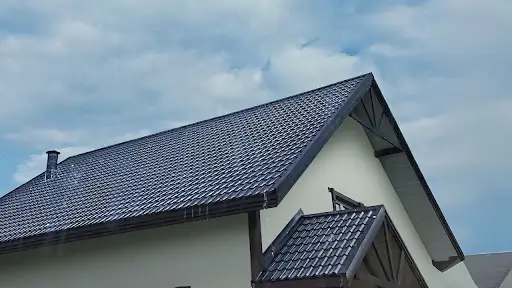
That distinctive triangular roof shape you see on countless American homes isn’t there by accident. A gable roof has two sloping sides that meet at a horizontal ridge, creating the triangular shape we instantly recognize in traditional houses. This simple design makes gable roofs the most common roof style you’ll find in the United States, especially in cold or temperate climates.
Simple definition and shape
A gable roof’s design features two pitched sections that join at the top to form a ridge. Picture the way a child draws a house—two sloped sides meeting at the peak to create an ‘A’ shape. The sloping sides run down from the central ridge that usually follows the house’s length. This ridge marks the roof’s highest point, and the sloped sides help water and snow flow away from the building.
What is the gable of a house?
People often call the entire structure a “gable roof,” but the gable itself is the triangular wall section between the roof pitches. This triangular part doesn’t use roofing materials. The builders use siding, stone, or materials that match the home’s exterior. You’ll find these triangular wall sections at the building’s ends, running from the eaves up to the ridge’s peak.
How gable roofs differ from other roof types
Hip roofs slope downward on all sides toward the walls, but gable roofs only slope on two sides. A gable roof’s design creates extra vertical space that works well for attic storage or living areas. These roofs also offer great ventilation through gable vents that help air flow and reduce condensation issues.
Gable roofs stand out because they offer:
- Simple construction that makes them budget-friendly
- Great water and snow drainage
- Extra space inside
- Clean, classic looks
These roofs are nowhere near as wind-resistant as hip roofs, especially in hurricane-prone areas. Strong winds can catch under the overhangs during bad weather.
Types of Gable Roof Designs
Gable roof designs have several variations that give different homes their unique look and practical benefits. Here are the main types you might see during your roof research.
Standard gable
The standard gable (some people call it an open gable) has two sloping sides that meet at a central ridge to create that classic triangular shape. This simple design helps water and snow slide right off and gives you an affordable roofing option. Many residential homes use this popular design because it’s so easy to build.
Box gable
The box gable takes the standard design up a notch by closing off the triangular end sections for a boxed look. This style makes the triangular shape stand out and look complete. The home’s appearance gets a boost from these enclosed ends, which also give extra protection from the weather.
Cross gable
Two or more gable rooflines that meet at right angles create a cross gable design. Looking down, you’ll see T or L shapes that work great for homes with complex layouts, wings, or attached garages. Tudor and Gothic Revival homes often feature these cross gables that add architectural interest.
Dutch gable
The Dutch gable (also known as a gablet roof) blends a hip roof at the bottom with a gable section on top. This clever design from the Netherlands stands up to withe nd better than standard gables and gives you more attic space than regular hip roofs. The design solves the biggest problem with hip-framed roofs – limited attic space.
Saltbox gable
A saltbox gable’s unique charm comes from its uneven design; here, one side runs substantially longer than the other. This New England classic creates interesting interior spaces with its distinctive shape. The longer slope usually covers single-story spaces like kitchens or family rooms.
Gabled dormers
Small, triangular-roofed structures called gabled dormers stick out from the main roof and usually hold windows. These additions let natural light into attic spaces and help with airflow. The home’s character gets a nice boost from these dormers when they’re sized right and don’t overpower the roof’s look.
Why Gable Roofs Are Popular Among Homeowners
Gable roofs have stood the test of time and remain popular because they offer several practical benefits to homeowners.
Timeless esthetics
A gable roof’s triangular shape gives homes stability and symmetry that creates an appealing architectural look. These roofs feature clean lines and classic profiles that work well with any home style – from traditional farmhouses to modern suburban houses.
Efficient water and snow drainage
Gable roofs come with steep slopes that quickly shed water and snow. This design helps prevent leaks and pooling while protecting your home from moisture damage. The roof’s ability to prevent snow buildup becomes crucial in areas with heavy snowfall, as it reduces structural stress.
Cost-effective construction
The simple design of gable roofs makes them quick and easy to build compared to complex alternatives. Builders need fewer materials and less time to complete these roofs. Research shows gable roofs make up about 70% of all single-family home roofs in the United States.
Versatility in home styles
Gable roofs look great on many architectural styles – from Cape Cod and Colonial to Tudor and Victorian homes. You can customize the roof pitch and overhangs to match your style priorities.
Ideal for solar panel installation
The sloped design of gable roofs creates a perfect foundation for solar panels. The clear, unobstructed surface maximizes sun exposure and helps generate more energy throughout the day.
Gable Roof vs Other Roof Types
The choice of a roof style depends on more than just looks. Let’s get into how gable roofs compare to other popular options.
Gable vs Hip roof
Hip roofs come with slopes on all four sides, while gable roofs feature a two-sided design. These hip roofs do an exceptional job of handling extreme winds and show better performance in areas prone to hurricanes. Homeowners can save significantly – up to 32% on insurance if they have hip roofs in these regions.
Gable roofs give you more attic space and better ventilation through gable vents. They’re also easier to build, which helps cut down costs. Notwithstanding that, their flat-faced ends can catch the wind head-on and might cause structural problems during storms.
Gable vs Skillion roof
Skillion roofs (single-sloped roofs) bring a sleek, modern look compared to traditional triangular gable designs. While skillion roofs need less roofing material, larger structures might need extra roof support members, which drives up the original costs.
Gable roofs create natural air flow that pushes warm air up – perfect for hot climates. Skillion roofs, on the other hand, are great for solar panels because they provide bigger, uninterrupted surfaces for north-facing installations.
When to choose a gable roof
A gable roof makes the most sense if:
- Your area gets heavy snow or rain that needs quick drainage
- You want an affordable option
- You need extra attic space for storage or living
- Your house would look better with traditional styling
- You want better home ventilation
People living in high-wind areas should think over hip roofs or make sure their gable roof has proper bracing and shorter overhangs (under 30 inches).
Conclusion
Gable roofs remain a top choice for homeowners due to their timeless style, cost-effective construction, and functional benefits like efficient water drainage and improved ventilation. Whether you choose a standard gable or a variation like cross or Dutch gables, each offers its own design appeal and practical value.
From better attic space to compatibility with solar panels, gable roofs strike a smart balance between form and function. If you’re looking for a roofing option that fits various home styles and climates without breaking your budget, a gable roof is a reliable and versatile solution.
FAQs
Q1. What defines a gable roof?
A gable roof is characterized by two sloping sides that meet at a central ridge, forming a triangular shape. This design is popular for its efficient water and snow shedding capabilities and its classic aesthetic appeal.
Q2. How does a gable roof differ from other roof types?
Unlike hip roofs, which slope on all four sides, gable roofs have only two sloping sides. They provide more attic space and better ventilation compared to other roof types, but may be less wind-resistant in extreme weather conditions.
Q3. What are the advantages of choosing a gable roof?
Gable roofs offer several benefits, including cost-effective construction, efficient drainage, additional attic space, and versatility in home styles. They’re also ideal for solar panel installation due to their sloped design and typically unobstructed surface.
Q4. Are there different types of gable roofs?
Yes, there are several variations of gable roofs, including standard gable, box gable, cross gable, Dutch gable, saltbox gable, and gabled dormers. Each type offers unique aesthetic and functional benefits suited to different home styles and needs.