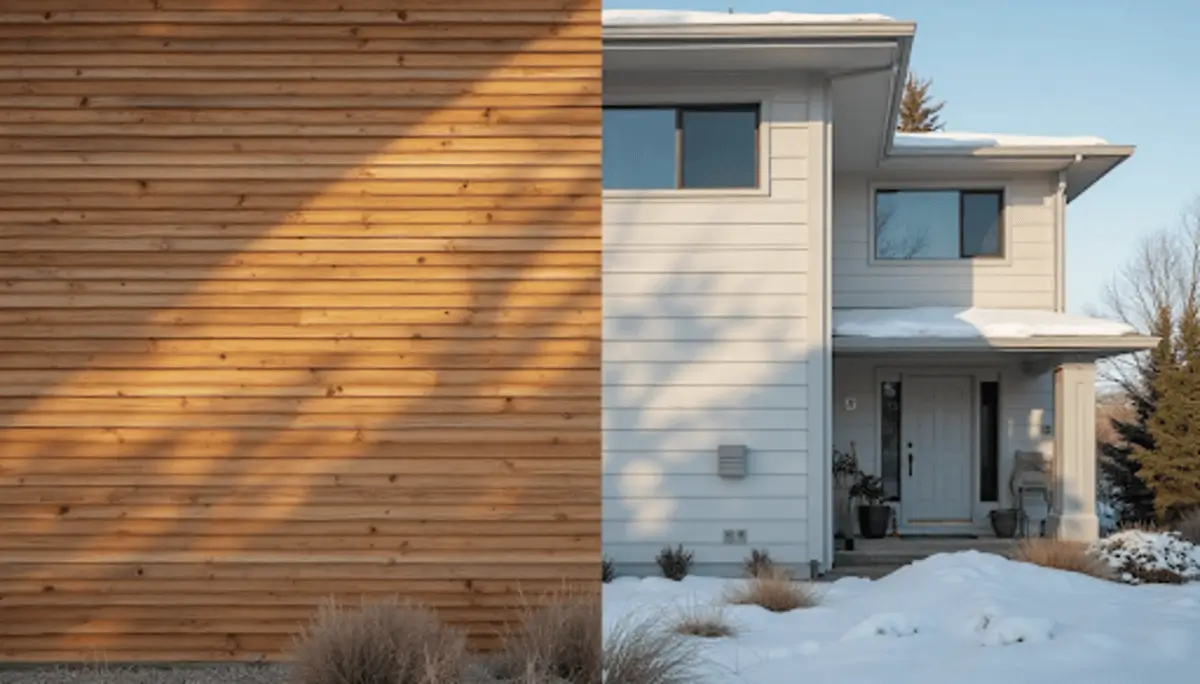
Wood siding vs vinyl siding stands out as one of the most important choices you’ll face when upgrading your home’s exterior. Wood siding ranges from $2 to $6 per square foot. Vinyl provides a more economical option at $2 to $3 per square foot. The price difference matters, but there’s more to think about.
Durability and maintenance needs set these materials apart. Wood siding can last 20 to 40 years if you take good care of it. Vinyl siding outperforms wood with a lifespan of up to 60 years and needs little maintenance. Vinyl also handles moisture, rot, and insects better than wood. The wood’s price tag might look good at first glance, but you need to weigh vinyl’s long-term benefits. Your climate zone and priorities play a big role in this decision. The choice between wood and vinyl often comes down to finding the right balance between looks and practicality for your area.
This piece dives into how both materials hold up in different climates. You’ll learn which siding best protects your home while fitting your maintenance comfort level and budget. River City Roofing presents this expert guide to help you find which is better, Wood Siding or Vinyl Siding.
Start with Your Climate Zone
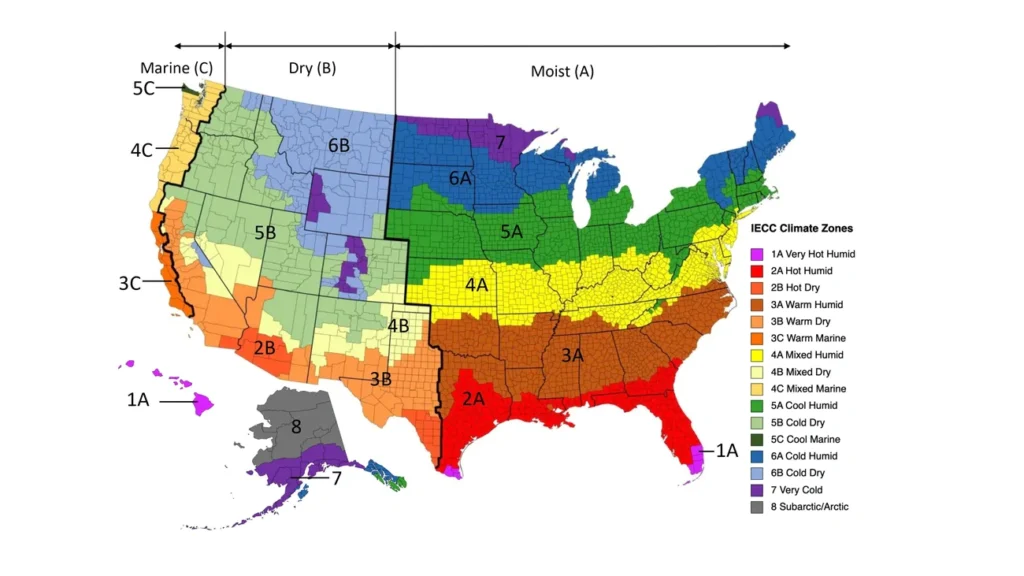
Your first step in choosing new siding should be to figure out your specific climate zone. The choice between wood siding vs vinyl siding depends on your area’s weather patterns and environmental conditions.
Identifying your region’s climate type
The United States has several distinct climate zones based on common weather conditions. Northern regions have “heating-dominated” climates with long, cold winters. Southern areas are “cooling dominated,” with warmer weather most of the time. Finding your specific zone isn’t guesswork. You can use several resources to learn your exact climate classification.
Government agencies provide tools to help identify climate zones. To cite an instance, California has tools that show addresses and locations across its sixteen climate zones. Local building departments also give climate zone information to homeowners.
Your home’s specific microclimate plays a big role, too. Houses in the same zip code might face different conditions because of:
- Exposure to common winds
- Proximity to bodies of water
- Elevation differences
- Amount of shade or sun exposure
Why climate matters when choosing siding
Climate should be more important than looks when you pick siding materials. Your home’s exterior must handle your region’s unique weather challenges for many years.
Temperature changes make siding materials expand and contract. This can lead to warping, cracking, or structural damage as time passes. So homes in areas with big temperature swings need siding materials that can handle these changes.
Moisture levels also affect how well siding performs. Areas with lots of rain or humidity need materials that resist water damage, mold, and mildew. Homes near the coast face extra challenges from salt exposure and possible storm damage.
Wind resistance becomes crucial, especially when you have storms in your area. Some siding options work better against high winds and protect your home during bad weather.
The best siding creates a balance between insulation needs and looks while protecting your home from specific climate challenges. Making a smart choice now helps you avoid wear and tear that can get pricey to fix later.
How Wood Siding Performs in Different Climates
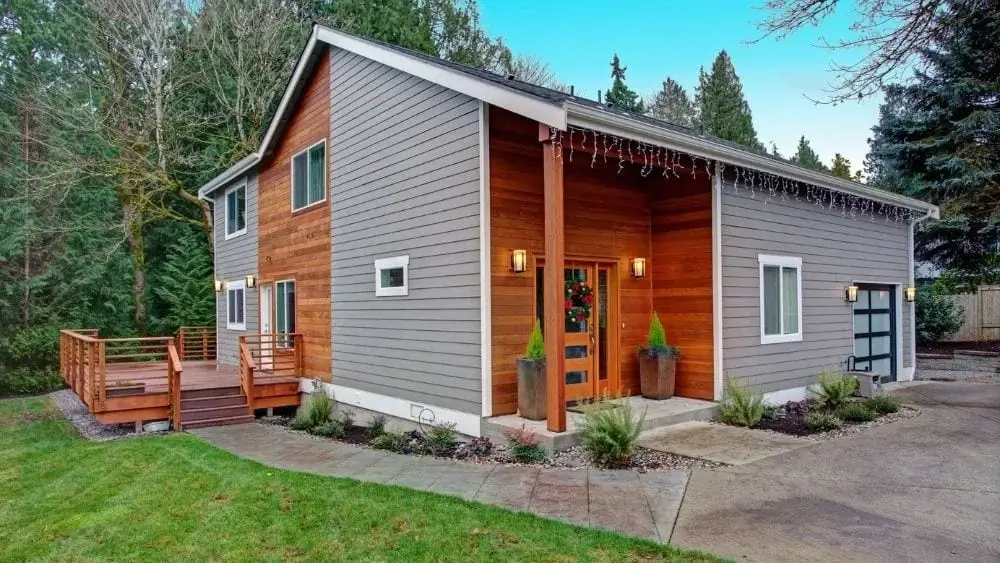
Wood’s natural beauty brings different performance features that change based on your local climate. You should learn about these differences when you think about wood siding vs vinyl siding options for your home.
Wood siding in dry regions
Dry climates create unique challenges for wood siding due to intense UV exposure. Sunlight breaks down lignin—the natural glue holding wood fibers together—at higher altitudes like Denver. This leads to faster deterioration than other regions. The wood must constantly expand and contract because semi-arid conditions create dramatic temperature swings between day and night.
Modern treated woods have become more resilient alternatives for dry environments, though traditional desert homes used mud bricks to regulate temperature. Your wood can withstand these harsh conditions with proper treatment, but you’ll need to watch for premature warping and cracking.
Challenges in wet or coastal areas
Moisture remains wood’s biggest enemy. Excessive dampness can seep into exterior walls in wet climates or coastal regions. This weakens wood structures and might cause dangerous mold growth. Salt water makes things worse – it wears down siding faster than fresh water.
Some wood varieties work better in wet conditions. Western Red Cedar has natural oils and tannins that repel water and keep insects and fungi away. Cedar shake homes have stood strong for over 100 years in New England’s coastal environments with proper installation.
Your wood siding must “breathe” and move as moisture levels and temperatures change. Large roof overhangs help substantially reduce water exposure to siding in wet climates.
Wood siding cost and maintenance by climate
Wood siding usually lasts 20-40 years, based on climate conditions and how well you maintain it. Each region has its own maintenance needs:
- Humid/coastal areas: You’ll need to reseal every 3 years instead of 5 years in drier regions
- High-UV regions: More frequent refinishing protects against UV damage
- Cold climates: Good insulation value, but watch out for freeze-thaw cycles
Wood’s insulating properties help lower your utility bills throughout the year. But you’ll just need to stay on top of maintenance—painting, staining, or refinishing every few years stops moisture damage, whatever the climate.
Climate should guide your choice between wood and vinyl siding, along with your style priorities and how willing you are to handle maintenance.
How Vinyl Siding Holds Up Across Climates
Vinyl siding gives homeowners a budget-friendly alternative to wood exteriors. Your region’s climate conditions play a big role in how well it performs. Learning about these variations helps you make smarter investments that match your home’s environmental challenges.
Vinyl siding in cold climates: cracking risks
Extreme cold creates distinct problems for vinyl siding. The material gets stiff and brittle at low temperatures, which makes it prone to cracking and chipping. These problems become worse during freeze/thaw cycles because vinyl keeps expanding and contracting with temperature fluctuations.
Quality becomes vital in cold regions. Thicker vinyl products (measuring .042 to .045 inches) hold up better against winter’s harsh conditions. The installation process is a vital part too. Vinyl siding installed during cold weather and nailed too tightly can buckle as temperatures rise, making it vulnerable to blow-offs in high winds.
Heat resistance and warping in hot zones
Hot weather creates its own set of challenges for vinyl exteriors. High temperatures can make vinyl soft, rippled, or melted in spots. Dark-colored siding absorbs more heat and distorts more easily than lighter colors.
Regular inspections become necessary in these conditions. Heat damage shows up as:
- Buckling and rippling along wall surfaces
- Visible warping near heat sources
- Color fading, especially on sun-exposed sides
Vinyl that’s not installed properly can’t expand properly in the heat. This creates wavy patterns that get worse over time. Warping leads to gaps where moisture can get in, and this might cause mold and structural damage.
Vinyl wood siding as a hybrid option
Climate challenges make many homeowners think about other options. Insulated vinyl siding works better in extreme temperatures and boosts energy efficiency with R-values between 2.0 and 5.0.
Homeowners in challenging climates might want to see fiber cement as an alternative. Fiber cement doesn’t have vinyl’s temperature-related issues. This material doesn’t expand and contract like traditional vinyl, which makes it great for homes that see big temperature swings throughout the year.
Making the Smart Choice for Your Home
Climate should be your main deciding factor as you pick your exterior cladding. Let’s see how wood and vinyl perform in different environments to help you choose the right option that fits your needs.
Is wood siding better than vinyl for your region?
Wood siding works great in temperate climates but needs steadfast dedication in harsh environments. Dry, arid regions need you to watch your wood carefully to prevent UV damage. Vinyl has its problems – it tends to warp and fade under strong sunlight, which makes it a poor choice for these areas.
Homes in high-humidity or coastal areas do better with vinyl because it resists moisture and rot. Wood struggles in these environments and can develop mold and structural problems.
Both options work well in mild climates with balanced seasons. Vinyl gives you more flexibility with weather changes.
Is vinyl siding better than wood siding for longevity?
Vinyl lasts 30-60 years while wood typically lasts 20-40 years. This extra life comes from vinyl’s natural ability to resist moisture, insects, and weather damage.
Wood can last a long time, too, if you take good care of it. Cedar and redwood naturally fight decay, but they still need regular maintenance. Research shows that untreated wood siding gets 40% more damage from moisture and mildew than vinyl in humid places.
Money-wise, wood costs 20-30% more over its lifetime because of maintenance and repairs. Vinyl saves you money long-term because it needs less upkeep and has predictable costs.
The case for composite or insulated options
Composite siding works great in tough climates. Quality composite products mix inorganic minerals with polymer resins to resist temperature changes, moisture damage, and UV rays.
Insulated vinyl shines in places with big temperature swings. The foam backing pushes R-values up to 3.5-5.0, which helps save energy. This option helps homeowners in cold areas where regular vinyl gets brittle.
Fiber cement stands out as a top choice for homes that face mixed weather. It lasts long and needs minimal upkeep.
Conclusion
Your choice between wood and vinyl siding ended up depending on your climate zone, budget limits, and maintenance priorities. This piece got into how different materials work in environments of all types, which helps clarify this most important home improvement decision.
The climate should be your priority when picking your home’s exterior cladding. Wood brings natural beauty and works well in temperate regions, but needs more upkeep. Vinyl proves more practical in humid or coastal environments because it resists moisture better and needs minimal maintenance.
Money is a vital part of your decision. Wood siding costs more at first ($2-$6 per square foot versus vinyl’s $2-$3), but long-term costs tell the full story. Wood’s regular maintenance—resealing, repainting, and repairs—adds 20-30% to lifetime costs. Then vinyl becomes a more economical long-term investment, even though it might not look as good for as long.
These materials’ durability makes a big difference, too. Vinyl lasts 30-60 years with little care, while wood typically lasts 20-40 years with proper maintenance. Despite that, well-maintained cedar or redwood siding can serve generations in the right climate if you keep up with its care.
Homeowners dealing with tough climate conditions should consider other options. Fiber cement, composite materials, and insulated vinyl are great middle-ground solutions, especially when you have extreme temperature changes or moisture issues.
Before making your final decision, consult River City Roofing’s climate-specific siding guide. Our Pacific Northwest expertise ensures your home gets optimal protection—whether you choose wood’s natural beauty or vinyl’s low-maintenance durability. The right siding balances weather resistance with long-term performance tailored to Portland’s unique conditions.
FAQs
Q1. How does climate affect the choice between wood and vinyl siding?
Climate plays a crucial role in siding selection. Wood siding performs well in temperate climates but requires more maintenance in extreme conditions. Vinyl siding is more versatile across different climates, especially in humid or coastal areas, where it resists moisture better than wood.
Q2. What are the cost differences between wood and vinyl siding?
Wood siding typically costs $2-$6 per square foot, while vinyl siding ranges from $2-$3 per square foot. However, wood siding often incurs 20-30% additional lifetime costs due to maintenance and repairs, making vinyl more economical in the long run.
Q3. Which siding material lasts longer?
Vinyl siding generally lasts 30-60 years with minimal maintenance, while wood siding typically lasts 20-40 years with proper care. However, well-maintained wood siding, especially cedar or redwood, can last for generations in suitable climates.
Q4. How does maintenance differ between wood and vinyl siding?
Wood siding requires regular maintenance, including resealing, repainting, and potential repairs. Vinyl siding needs minimal upkeep, making it a low-maintenance option. The frequency of wood siding maintenance varies by climate, with humid areas requiring more frequent attention.
Q5. Are there alternative siding options for challenging climates?
Yes, alternatives like fiber cement, composite materials, and insulated vinyl siding offer excellent solutions for challenging climates. These options can provide better resistance to temperature fluctuations, moisture, and UV damage, making them suitable for regions with extreme weather conditions.