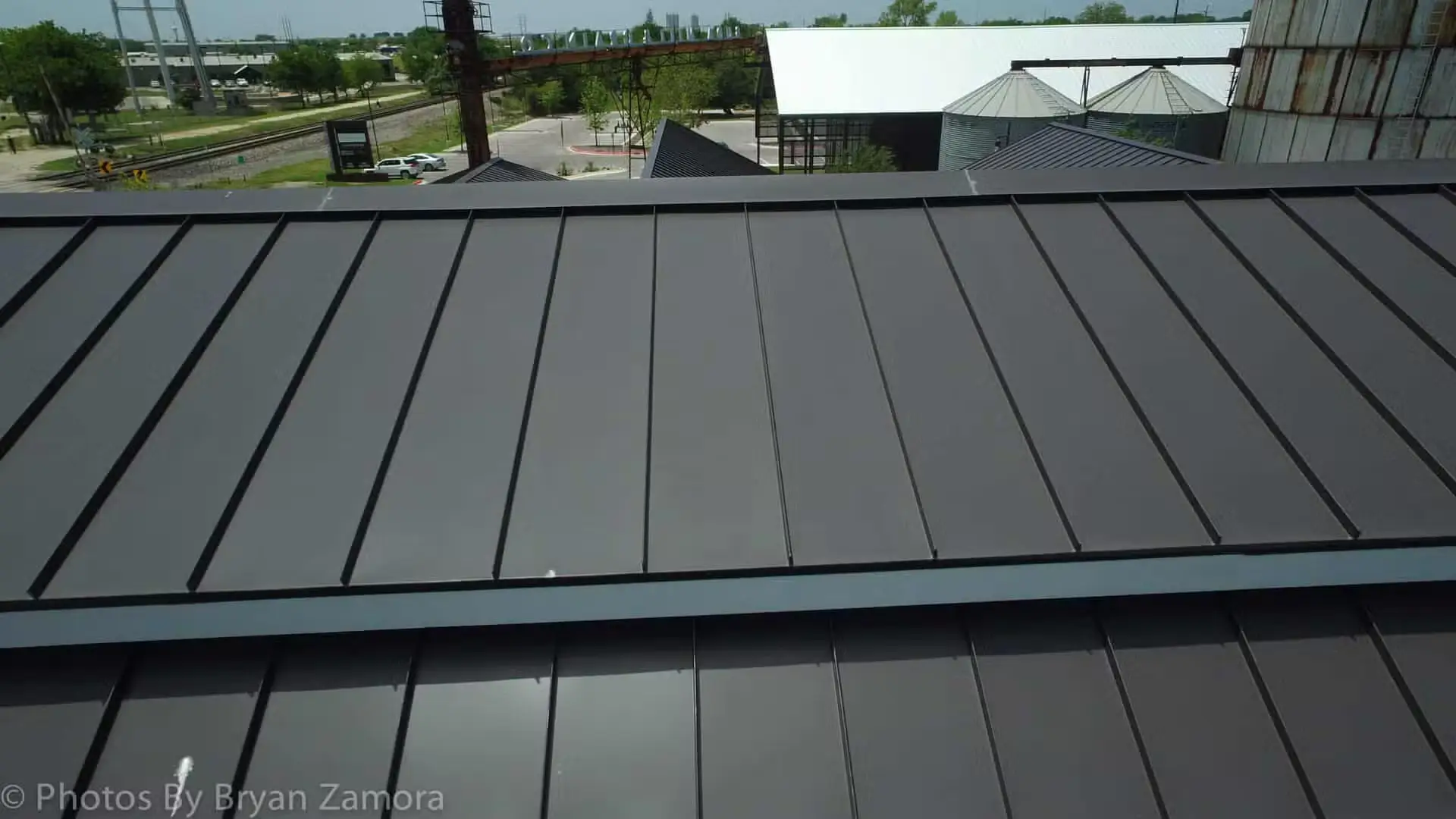
Metal roofing on flat roof structures – can it work? Metal has become the residential roofing industry’s fastest-growing material. It stands out because of its impressive durability and lasts 40-70 years with proper maintenance.
The compatibility question gets trickier with flat roofing systems. Metal offers great weather resistance, low maintenance costs, and better energy efficiency. Yet proper installation needs specific slope requirements. To name just one example, you can use mechanically seamed standing panels on slopes as low as 0.25:12 to 0.5:12. Building codes have specific guidelines that you must follow.
A metal roof on your flat structure could be a smart investment. Metal roofs are budget-friendly and fire-resistant. You should review several key factors before moving forward – from minimum slope requirements to suitable metal roofing systems.
This piece will help you determine if a metal roof fits your flat structure. You’ll learn about possible challenges and the best installation methods that ensure long-lasting performance.
Challenges of Using Metal Roofing on Flat Roofs
Flat roofs create special problems with metal roofing materials. Installers must know these challenges to ensure the roof’s performance and longevity.
Wind uplift brings serious risks to metal roofing on flat surfaces. Wind accelerates over a building’s corners and edges, which creates mini vortexes that apply both negative and positive pressure. The roof’s seams and clips face intense stress from this pulling action. Strong winds can tear the entire roof from its seams in the worst cases.
Water ponding becomes the biggest problem on top of that. Flat roofs can’t drain naturally, so water sits and collects. A single inch of ponding water adds 5.2 pounds of weight per square foot. The roof deck might deflect permanently under this heavy load that stresses the structure below.
Metal’s natural expansion and contraction with temperature changes complicate things further. These thermal stresses grow worse on flat roofs where water pools and the sun beats down constantly. The system could fail in just five years without proper design considerations, and water starts seeping through the separated seams.
The water has nowhere to go without proper slopes and drains. Most experts suggest installing one drain for every 1,000 square feet of roof space. They also recommend proper flashing methods to stop water from leaking.
Retrofit Options for Flat Metal Roofs
Metal roofing can change your flat roof when you choose the right modernisation approach. You have two main options to upgrade an ageing flat roof structure without removing it completely.
A compact retrofit or recovery system works best for roofs with a minimum slope of ¼” per foot and external gutters. This budget-friendly option lets you install new metal roofing directly over the existing roof with minimal extra framing. The method usually stays exempt from energy code requirements that mandate extra insulation for new construction.
The frame-up retrofit system builds a new sloped roof by adding a lightweight steel frame (typically 16-12 gauge) over the existing structure. This approach changes water drainage patterns and redirects flow from internal systems to external ones. Your risk of expensive internal water damage drops substantially. On top of that, frame-up retrofits let you choose from various looks, from subtle slope changes to bold architectural designs.
Both systems use standing seam metal panels to ensure excellent weathertightness. These modernisation methods work well with existing rooftop equipment and penetrations without causing disruption.
The advantages go beyond looks and function. Metal retrofit systems keep your existing roof in place. You save on tear-off costs and minimise business interruptions. Galvalume-coated steel roofing lasts 50-60 years, making it a solid long-term investment.
Is Metal the Right Choice for Your Flat Roof?
Metal roofs need careful evaluation to determine if they suit your flat roof. These roofing systems can last 30 to 50 years under the right conditions, which far outlasts common flat roof materials like modified bitumen that only make it to 15 years.
The biggest hurdle with metal roofing is its high upfront cost. A new steel standing seam roof runs about $16.00 per square foot, which is nowhere near what you’d pay for alternatives like EPDM ($4.00-$8.00/s .ft). The good news is that minimal maintenance needs and exceptional durability offset this initial investment.
Of course, metal roofs shine when it comes to performance benefits, especially in shedding snow and ice quickly. On top of that, they’re 100% recyclable, which makes them an environmentally responsible choice.
Building codes should be your starting point—most require roof pitches between 0.25/12 and 3/12 for metal roofing. Note that flat installations might need extra tapered insulation to create a proper slope. This adds to your costs but brings energy efficiency and noise reduction benefits. Not sure where to start? Let River City Roofing walk you through your options with honest, local insight
Conclusion
Metal roofing is a solid option for flat roof structures, but you need to think over several factors before making this big investment. While challenges exist, the right solutions make metal roofing not just possible but beneficial for flat surfaces.
The right metal roofing system is a vital part of flat applications. Standing seam metal roofs are the best choice, which allows slopes as minimal as 0.25/12 and handles natural thermal movement. This makes them better than screw-down panels that would fail quickly under similar conditions.
Without doubt, you’ll face issues like water ponding, wind uplift, and drainage. These challenges won’t affect your roof’s integrity or lifespan when managed well through strategic planning and expert installation.
On top of that, it’s possible to update existing flat roofs flexibly. You can pick a compact recovery system to save money or choose a frame-up approach for better drainage and looks. Both methods save on tear-off costs and reduce disruption.
Metal roofing needs more money upfront than traditional flat roof materials, but its remarkable 30-50 year lifespan reduces long-term costs. This durability, combined with low maintenance needs and environmental benefits, makes metal roofing worth the original price tag.
Local building codes about minimum slope requirements should guide your installation plans. You might need extra money for tapered insulation. A well-planned metal roof installed by professionals can turn your flat structure into a lasting, efficient, and attractive investment that serves reliably for decades.
Comments are closed